HER2 Positive Breast Cancer Treatment Market: From Aggressive Disease to Manageable Condition
HER2 positive breast cancer was once considered one of the most aggressive and feared subtypes, with rapid progression and poor prognosis. The discovery of HER2 as a therapeutic target and the development of trastuzumab transformed this picture dramatically, turning a deadly disease into a manageable condition for many patients. Today, the HER2 positive breast cancer treatment market is a dynamic space where multiple mechanisms compete and combine, offering patients increasingly sophisticated options.
The HER2 Positive Breast Cancer Treatment Market is driven by the roughly 20% of breast cancers that overexpress HER2, a receptor that promotes cell growth and proliferation. The treatment landscape has evolved from trastuzumab monotherapy to increasingly complex combinations. Dual HER2 blockade with pertuzumab plus trastuzumab, combined with chemotherapy, has become standard first-line treatment for metastatic disease. Antibody-drug conjugates (ADCs) like trastuzumab emtansine (T-DM1) and trastuzumab deruxtecan (T-DXd) have shown remarkable efficacy, particularly in later lines and for patients with brain metastases.
The introduction of trastuzumab deruxtecan has been particularly transformative. Its "bystander effect"—where the cytotoxic payload can affect neighboring cells—has demonstrated efficacy even in HER2-low tumors, blurring traditional boundaries between HER2 positive and negative disease. This has expanded the addressable population and reinforced the importance of accurate HER2 testing, including emerging categories like HER2-low and HER2-ultralow.
Geographically, North America and Europe lead in adoption of novel therapies, supported by advanced diagnostics and reimbursement. Asia-Pacific is growing rapidly as trastuzumab biosimilars improve access to foundational therapy and novel agents become available. Biosimilar competition for trastuzumab and other first-generation agents has reduced costs and expanded access globally, a trend that continues to shape the market.
Key players include large pharmaceutical companies with established HER2 franchises, biosimilar developers, and companies pioneering novel ADCs and combinations. Competition centers on efficacy, safety, brain penetration, and tolerability. The competitive landscape is intensifying as new agents approach approval and existing agents expand into earlier lines of treatment.
Looking ahead, the HER2 positive breast cancer treatment market is likely to continue its evolution toward more personalized, combination-based approaches. Biomarker development may identify which patients benefit most from specific mechanisms. Neoadjuvant and adjuvant settings remain important opportunities for improving cure rates. For companies in the space, success requires innovation, clinical evidence, and strategies that address the full spectrum of patient needs—from early-stage to metastatic disease.
People Also Ask
What is HER2 positive breast cancer?
It's a subtype affecting about 20% of breast cancer patients, characterized by overexpression of the HER2 protein, which promotes cancer growth—targeted therapies have dramatically improved outcomes.
What is the best treatment for HER2 positive breast cancer?
Trastuzumab plus pertuzumab with chemotherapy is standard first-line for metastatic disease, with antibody-drug conjugates like T-DM1 and T-DXd used in later lines.
Tags
#HER2Positive #BreastCancerTreatment #Trastuzumab #AntibodyDrugConjugates #Oncology #TargetedTherapy
Categorias
Leia Mais
Market Overview The hemostasis valve introducers market is advancing as interventional cardiology, radiology, and electrophysiology procedures grow worldwide. These devices provide vascular access while preventing blood loss and air entry, supporting safe catheter and guidewire exchange. Rising cardiovascular disease and preference for minimally invasive interventions are increasing demand. The...

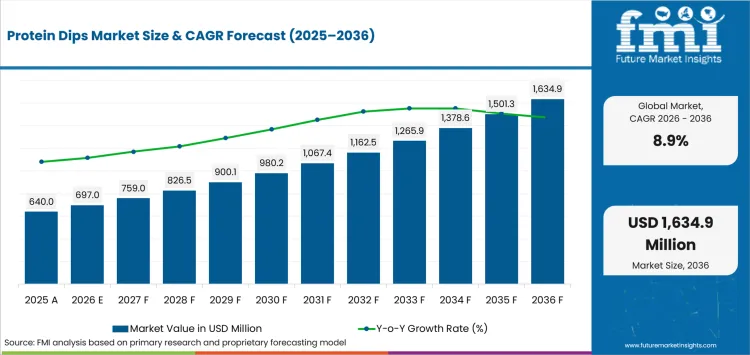
Protein Dips Market Size to Reach USD 1.63 Billion by 2036 at 8.9% CAGR, driven by Rising Demand for High-Protein Refrigerated Snacks Europe, France., October 6, 2026 — The global Protein Dips Market is expected to witness strong growth as consumers increasingly seek convenient foods that combine familiar taste and texture with higher nutritional value. According to Future Market Insights...
Fluid power equipment transmits force through pressurised liquids and gases, underpinning earthmoving machinery, factory automation and agricultural equipment. According to Market Research Future, hydraulic transmission systems account for 64.8% of the market's revenue, sustaining their position through unmatched power density in construction and drilling applications. The overall market was...
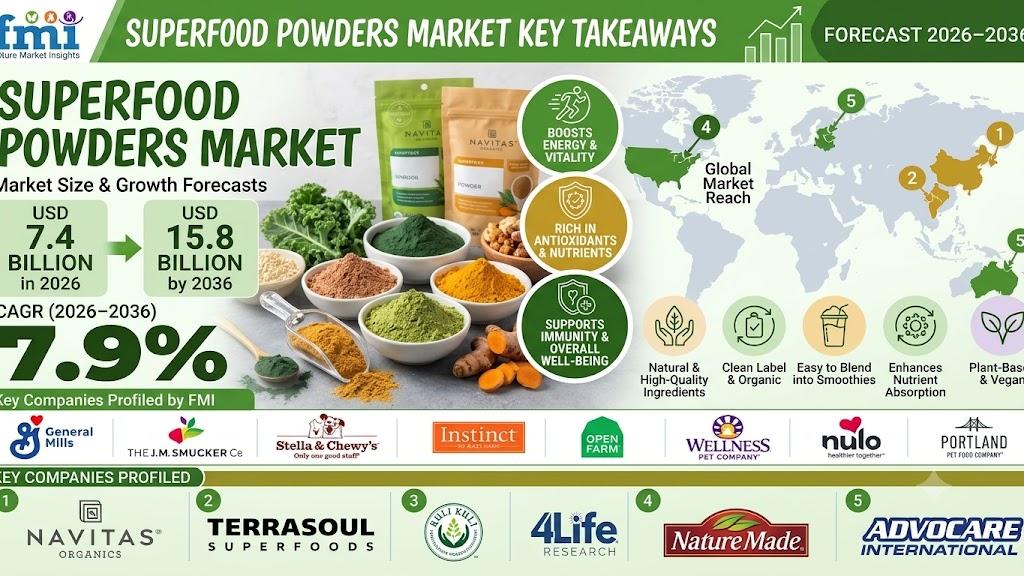
Superfood Powders Market FMI Market Intelligence Report NEWARK, Del., October 22, 2026 — The global Superfood Powders Market is gaining momentum as food manufacturers, beverage companies, supplement producers, and health-focused brands increasingly incorporate concentrated plant-based ingredients into their product portfolios. According to the latest market intelligence report published...
Automotive Motors Market Overview The Automotive Motors Market report provides an in-depth analysis that is required to make informed industry decisions and develop strategic growth plans. Regardless of the production method or cost structures, the Automotive Motors market report provides a full understanding of advanced tactics and plans. Automotive...