


Liposuction Surgical Procedures Market: How Advanced Technologies Are Transforming Fat Removal Procedures
Cosmetic surgery has experienced significant technological development as practitioners seek improved procedural control, efficient workflows, and patient-focused treatment approaches. Liposuction remains an established body-contouring procedure, but advancements in surgical devices have introduced different methods for loosening and removing localized fat deposits. These technologies are influencing how surgeons evaluate and perform aesthetic procedures.
The Liposuction Surgical Procedures Market is influenced by innovations in energy-assisted devices, cannula design, surgical instrumentation, and specialized treatment facilities. Technology selection depends on the treatment area, the amount and distribution of subcutaneous fat, patient characteristics, and the surgeon's training.
Power-assisted liposuction uses a powered cannula that produces rapid mechanical movement. This motion can help facilitate fat removal and may reduce the amount of manual movement required from the surgeon. Ultrasound-assisted liposuction uses ultrasonic energy to disrupt fat tissue before suction. It may be considered in selected cases, including areas where tissue characteristics create specific procedural challenges.
Laser-assisted liposuction uses laser energy delivered through a specialized fiber. The technique is designed to affect fat tissue and may produce additional thermal effects in surrounding tissues. Because energy-based procedures introduce specific risks, appropriate device settings, technique, and patient selection are important.
Improvements in surgical planning are also supporting the field. Preoperative assessment may include evaluating skin elasticity, fat distribution, medical history, and realistic aesthetic goals. Digital photography and imaging tools can help facilitate discussions between patients and surgeons, although they cannot guarantee a particular outcome.
The role of postoperative care is equally important. Patients may require compression garments, follow-up examinations, and temporary activity restrictions based on the procedure and clinical recommendations. Recovery varies, and swelling or bruising may continue for a period after surgery.
Despite technological progress, liposuction remains an invasive surgical procedure. Potential complications include contour irregularities, infection, fluid accumulation, changes in sensation, and more serious medical events. Energy-assisted techniques do not eliminate these risks.
Manufacturers are focusing on device performance, ergonomics, and integration with surgical workflows. However, equipment costs, training requirements, regulatory compliance, and competition among aesthetic service providers can influence adoption.
The future of this market will depend on balancing technological innovation with patient safety, qualified surgical expertise, and realistic expectations about body-contouring outcomes.
People Also Ask
1. What is power-assisted liposuction?
It uses a mechanically powered cannula to help loosen and remove fat tissue.
2. Is laser-assisted liposuction different from traditional liposuction?
Yes. It uses laser energy as part of the fat-removal process, while traditional methods primarily use mechanical cannula movement and suction.
Tags: Liposuction Technology, Liposuction Surgical Procedures Market, Laser-Assisted Liposuction, Power-Assisted Liposuction, Cosmetic Surgery, Body Contouring
Categorie
Leggi tutto
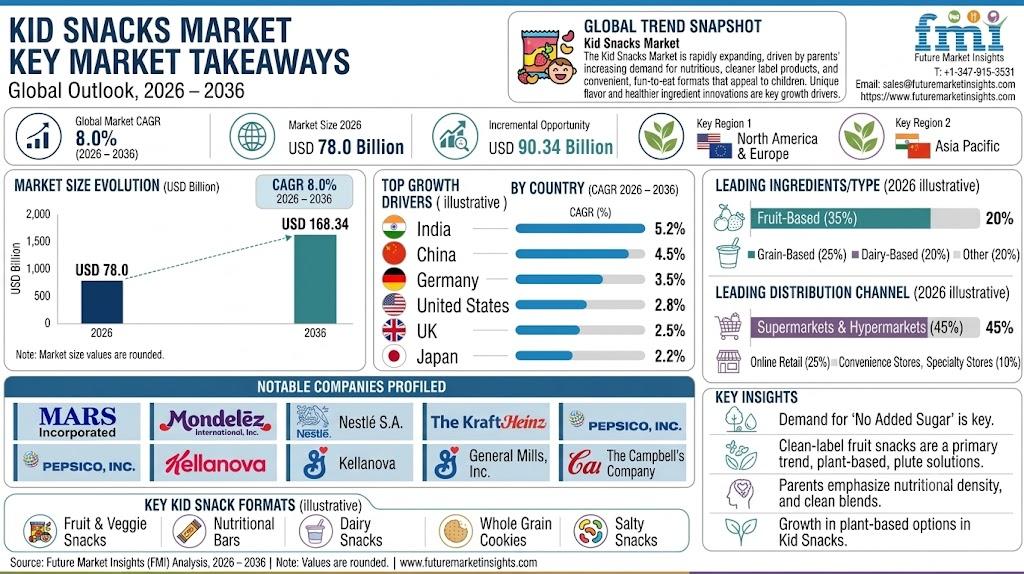
Kid Snacks Market Conventional Snacks and Bakery Products Lead as Demand NEWARK, Del., October 15, 2026 — The global Kid Snacks Market is expanding as parents increasingly seek convenient, appealing, and nutritious snack options for children. Growing interest in health-conscious eating, organic ingredients, specialized formulations, and convenient packaging is encouraging...
The growing demand for accurate and efficient diagnostic technologies is encouraging the development of advanced immunoassay solutions. Multiplex ELISA kits are becoming increasingly important in biomedical research, clinical investigations, pharmaceutical development, and disease biomarker analysis. Unlike conventional ELISA methods that generally measure one target at a time, multiplex ELISA...

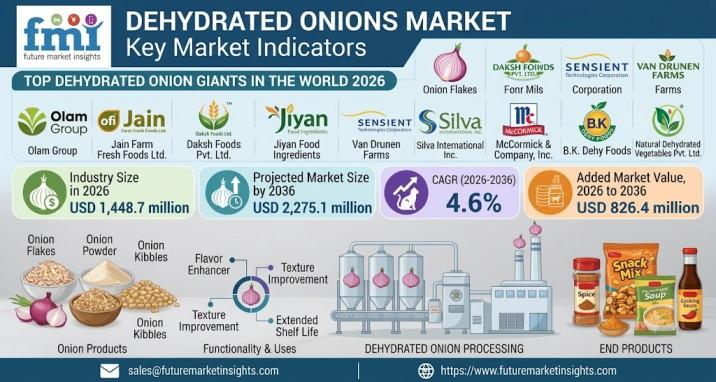
Dehydrated Onions Market Outlook NEWARK, Del., November 10, 2026 — The global Dehydrated Onions Market is estimated to reach USD 1,448.7 million in 2026. According to Future Market Insights (FMI), the market is projected to grow to USD 2,275.1 million by 2036, registering a compound annual growth rate (CAGR) of 4.6% between 2026 and 2036. The market outlook reflects increasing demand for...
Rising clinical awareness of benzalkonium chloride (BAK) toxicity, increasing incidence of ocular surface disease (OSD), and growing demand for single-dose containers are driving product shifts within the Glaucoma Treatment Market. Preservative-free glaucoma drops prevent corneal epithelial damage and chronic dry eye symptoms associated with long-term BAK exposure, enhancing patient drop...
North America holds a dominant position in the global electromagnetic surgical navigation system market, driven by advanced healthcare infrastructure, high adoption of navigation technologies, and the presence of major medical device manufacturers. The region's leadership is a critical factor shaping the direction of the Electromagnetic Surgical Navigation System Market worldwide. Advanced...