Critical Limb Ischemia: Why This Severe Form of Peripheral Artery Disease Requires Immediate Attention
Critical limb ischemia (CLI) is the most severe form of peripheral artery disease (PAD). It occurs when blood flow to the limbs — usually the legs — becomes so restricted that tissue begins to starve, causing rest pain, non-healing wounds, and gangrene. Without timely intervention, CLI can lead to amputation and significantly increased mortality risk. As awareness of PAD grows and the population ages, the critical limb ischemia market is expanding to meet the need for better diagnostics and treatments.
The critical limb ischemia market includes diagnostic tools, revascularization devices, wound care products, and medications used to manage CLI. Growth is driven by rising rates of diabetes and cardiovascular disease, aging populations, and advances in endovascular and surgical treatment options.
What Is Critical Limb Ischemia?
CLI is characterized by severely reduced blood flow to the limb, causing pain at rest, ulcers, or gangrene. It's a medical emergency that requires prompt evaluation and revascularization — restoring blood flow through angioplasty, stenting, or bypass surgery.
Risk Factors
-
Diabetes: a major risk factor for PAD and CLI
-
Smoking: significantly increases risk
-
Atherosclerosis: narrowed or blocked arteries
-
Chronic kidney disease: increases vascular risk
-
Age: risk rises with age
-
Hypertension and high cholesterol: contribute to vascular disease
People Also Ask
What is critical limb ischemia?
Critical limb ischemia is a severe form of peripheral artery disease in which blood flow to a limb is critically reduced, causing rest pain, non-healing wounds, or gangrene. It requires urgent treatment to prevent amputation.
What are the symptoms of critical limb ischemia?
Symptoms include severe leg pain at rest (often at night), non-healing ulcers or wounds on the feet or legs, cold skin, diminished pulses, and in advanced cases, gangrene.
The Clinical and Economic Burden
CLI is associated with high rates of amputation, hospitalization, and mortality. Early diagnosis and revascularization can improve limb salvage rates. The economic burden is substantial — for patients, healthcare systems, and payers. These factors make CLI a priority area for vascular care innovation.
Tags: #CriticalLimbIschemia #PeripheralArteryDisease #VascularDisease #LimbSalvage #AmputationPrevention #PAD #VascularCare
Κατηγορίες
Διαβάζω περισσότερα
Aquaponics Market to Reach USD 2,155.3 Million by 2036 NEWARK, Del., October 23, 2026 — The global aquaponics market is gaining momentum as agricultural producers, commercial greenhouse operators, and controlled-environment farming businesses explore integrated systems that combine aquaculture with hydroponic crop production. According to the latest market intelligence report published by...

The rapid digitalization of the Indian economy and the explosive growth of internet connectivity across urban and semi-urban regions have positioned the wireless networking infrastructure sector as one of the most strategically important technology markets in the country. The India Gigabit Wi Fi Access Point Market represents a critical segment within the broader networking equipment industry,...

A therapeutic class that offers better tolerability than older migraine drugs and a mechanism targeted at the disease's root cause should be growing faster than the low double digits. The CGRP antagonist market faces structural constraints that limit its reach, and understanding them is essential for stakeholders navigating the CGRP inhibitor market . Cost and Payer Access Barriers The primary...

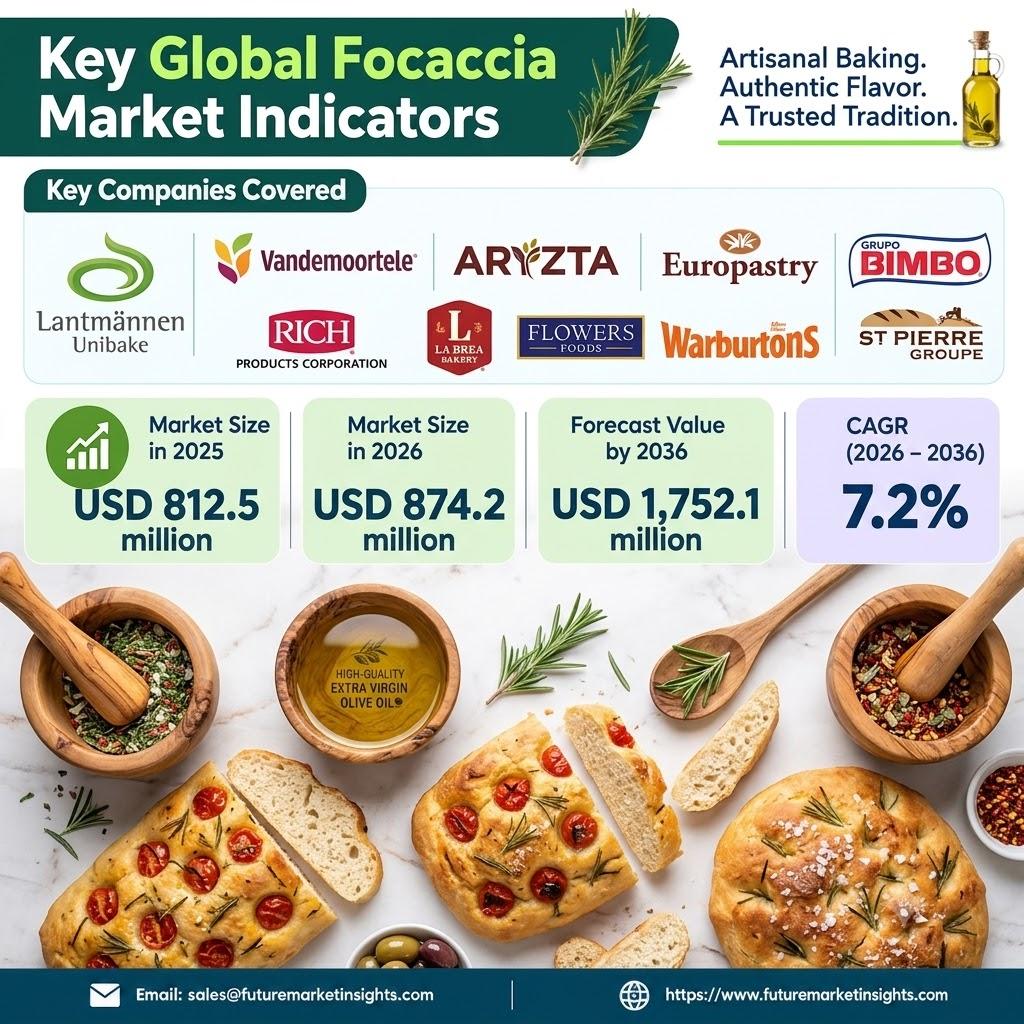
NEWARK, Del., October 27, 2026 — The global focaccia market is gaining momentum as commercial bakeries, foodservice operators, supermarkets, and café chains expand their offerings of premium flatbreads and convenient sandwich carriers. Growing demand for ready-to-serve bakery products, rosemary-flavored breads, frozen bake-off formats, and portion-controlled meal solutions is...
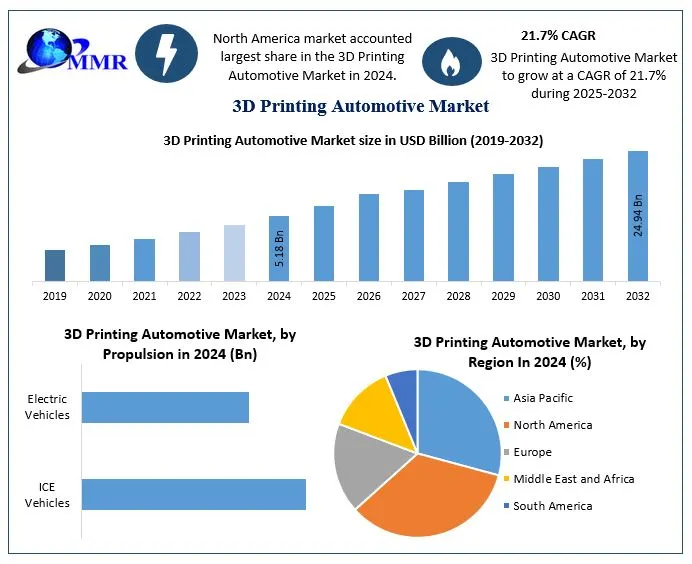
Market Overview The 3D Printing Automotive Market was valued at USD 5.18 billion in 2024 and is expected to grow at a CAGR of 21.7% from 2025 to 2032, reaching nearly USD 24.94 billion by 2032. The market is undergoing a significant transformation as automotive manufacturers increasingly adopt additive manufacturing for vehicle design, rapid prototyping, tooling, research and...