


Axial Spondyloarthritis Market: Addressing a Decade of Diagnostic Delay
Axial spondyloarthritis (axSpA) is a chronic inflammatory condition affecting the spine and sacroiliac joints, causing pain, stiffness, and progressive structural damage. Despite its significant impact on quality of life, the disease is notoriously underdiagnosed—patients often wait seven to ten years between symptom onset and diagnosis. This diagnostic gap represents both a major clinical challenge and a substantial market opportunity, as improved awareness and better diagnostic pathways could unlock treatment demand for hundreds of thousands of undiagnosed patients worldwide.
The Axial Spondyloarthritis Market is driven by a growing treated population, expanding biologic options, and rising recognition of the disease's burden. Traditionally, treatment has relied on nonsteroidal anti-inflammatory drugs (NSAIDs) for symptom relief, followed by biologic therapies—particularly TNF inhibitors—for patients who fail conventional approaches. The introduction of IL-17 inhibitors has broadened options, and emerging therapies targeting different inflammatory pathways promise further diversification. Each new mechanism creates new opportunities for patients who don't respond adequately to existing treatments.
Diagnostic advances are central to market expansion. MRI of the sacroiliac joints can detect inflammation before structural damage appears on X-rays, enabling earlier diagnosis and treatment. However, access to MRI and trained readers varies widely, and many primary care physicians lack awareness of the condition's presenting features. Educational initiatives, referral pathways, and simplified classification criteria are gradually improving the situation, and companies are investing in disease awareness campaigns that support earlier diagnosis.
Geographically, North America and Europe represent the largest markets, supported by advanced healthcare infrastructure, high biologic penetration, and strong advocacy communities. Asia-Pacific is growing rapidly as economies develop, healthcare access improves, and awareness of inflammatory arthritis increases. Biosimilar competition in established markets is exerting pricing pressure, particularly for TNF inhibitors, while novel mechanisms command premium pricing. This dual dynamic—price erosion in mature segments and premium innovation in new ones—shapes competitive strategy.
Key players focus on differentiation through efficacy, safety, convenience, and patient support programs. The competitive landscape includes established biologic manufacturers, biosimilar developers, and companies with novel oral or injectable candidates. Looking forward, the market's trajectory depends on closing the diagnostic gap, expanding access to advanced therapies, and demonstrating value to payers increasingly focused on cost-effectiveness. For companies that can address these challenges, axial spondyloarthritis represents a substantial and growing opportunity.
People Also Ask
What is axial spondyloarthritis?
It's a chronic inflammatory disease primarily affecting the spine and sacroiliac joints, causing pain and stiffness, and includes both radiographic (ankylosing spondylitis) and non-radiographic forms.
What is the best treatment for axial spondyloarthritis?
NSAIDs are first-line, followed by biologics like TNF inhibitors or IL-17 inhibitors for patients with inadequate response, along with physical therapy and exercise.
Tags
#AxialSpondyloarthritis #axSpA #InflammatoryArthritis #Biologics #AnkylosingSpondylitis #Rheumatology
الأقسام
إقرأ المزيد
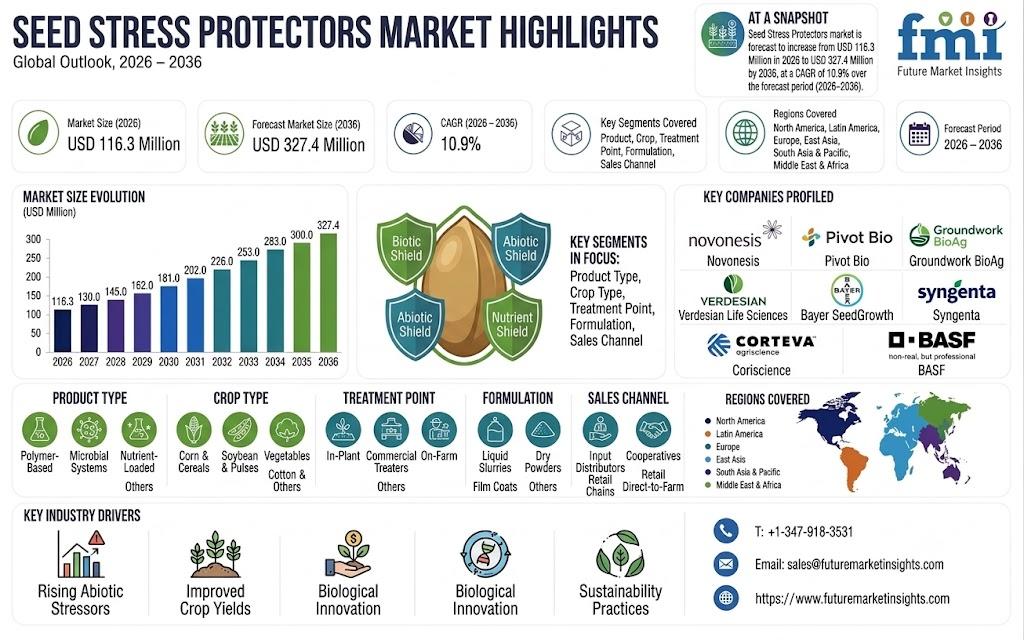
Seed Stress Protectors Market Polymer-Based Systems Lead Product Demand at 48.0% The global seed stress protectors market is forecast to increase from USD 116.3 million in 2026 to USD 327.4 million by 2036, expanding at a 10.9% CAGR during the 2026–2036 forecast period, according to Future Market Insights. Demand is rising as seed companies seek earlier stress control that can be...
The global bread production line market is a category where growth rates understate strategic importance: at USD 3,261.7 million in 2025 rising to USD 4,500 million by 2035 at a 3.2% CAGR, the market's expansion is measured, but the equipment it comprises determines whether a bakery can scale, maintain consistency, and adapt to health-driven changes in bread demand. According to Wiseguy...

Immunomodulators are a class of drugs that modulate the immune system, either by suppressing or stimulating immune responses. They are used to treat a wide range of conditions, including autoimmune diseases, cancer, and infectious diseases. The market for immunomodulators is expanding steadily, driven by the rising prevalence of autoimmune diseases, the growth of cancer immunotherapy, and...
High consumer spending on daily wellness supplements, increasing preference for soft liquid-filled dosage forms, and extensive pharmaceutical adoption of lipid-based drug delivery systems are driving expansion across the US Softgel Capsule Market. US pharmaceutical companies and dietary supplement brand owners rely heavily on softgel encapsulation technology to enhance the oral bioavailability...
Surging global focus on precision oncology, expanding research in histone modification, and rapid integration of high-throughput sequencing with epigenetic assays are driving robust growth across the global Chromatin Immunoprecipitation Testing Market. Chromatin Immunoprecipitation (ChIP) testing isolates and maps protein-DNA interactions inside the cellular nucleus, serving as a critical...