


The Economics of Herceptin Biosimilars: Pricing, Savings, and Sustainability
The entry of Herceptin biosimilars into the market has been one of the most significant cost-saving developments in oncology, with billions of dollars in potential savings for healthcare systems globally. But the economics of biosimilars are more complex than simple price reductions—they involve pricing dynamics, manufacturing costs, market competition, and sustainability considerations that shape the Herceptin biosimilar market's evolution.
In the Herceptin Biosimilar Market, pricing dynamics reflect intense competition. Multiple biosimilar manufacturers competing for market share has driven prices down substantially—in some markets, trastuzumab prices have fallen by 50% or more since biosimilar entry. This price erosion benefits payers and patients, but creates challenges for manufacturers who must balance competitive pricing with sustainable returns. Some early biosimilar entrants have faced margin pressure as competition intensifies.
Manufacturing costs are a critical factor. Biologics—including biosimilars—require complex, capital-intensive manufacturing processes using living cells. Quality control, regulatory compliance, and supply chain management add further costs. Manufacturers with scale, expertise, and efficient operations can sustain competitive pricing, while smaller players may struggle. Over time, market consolidation is common as less efficient producers exit.
The savings from biosimilars accrue to different stakeholders depending on market structure. In some systems, savings benefit payers and are reinvested in expanded coverage or other therapies. In others, savings may be shared with providers or patients. The distribution of savings influences incentives and adoption. Transparency in pricing and savings distribution is an ongoing policy debate.
Innovation incentives are a consideration. While biosimilars increase competition and reduce prices for off-patent biologics, they don't directly fund new drug development. Concerns exist that aggressive biosimilar pricing could affect the returns from originator products, potentially influencing future innovation. However, evidence suggests that biosimilar competition generally complements rather than replaces innovation, with savings reinvested in new therapies.
Sustainability of the biosimilar market depends on multiple factors. Continued competition requires enough manufacturers to maintain pricing pressure, but not so many that scale becomes uneconomic. Regulatory stability, intellectual property clarity, and predictable approval pathways support investment. Market access policies that favor biosimilars can accelerate adoption, but must balance affordability with innovation incentives.
Geographically, the economic impact varies. In developed markets, biosimilar savings are substantial, though pricing varies. In emerging markets, where originator products were often unaffordable, biosimilars have enabled treatment of many more patients, with profound health impacts. International procurement mechanisms can further reduce prices, expanding access.
Looking ahead, the economics of Herceptin biosimilars will continue to evolve. Additional biosimilar entrants may drive further price competition. Patents and exclusivity periods for originator products expire in different markets at different times, influencing competition timelines. As more biosimilars become available for other biologics, lessons from trastuzumab inform broader policy and market development. For stakeholders, understanding these economics is essential for strategic decision-making in an evolving healthcare landscape.
People Also Ask
How much cheaper are Herceptin biosimilars?
Prices have fallen substantially—in some markets by 50% or more—though variation exists; biosimilars generally offer significant cost savings over the originator product.
Do biosimilars save healthcare systems money?
Yes, biosimilar competition drives down prices, generating substantial savings that can be reinvested in other therapies or expanded coverage.
Tags
#BiosimilarEconomics #Herceptin #HealthcareCosts #MarketAccess #OncologySavings #HealthcarePolicy
Categorias
Leia Mais
Surging global public health initiatives targeting viral hepatitis elimination, expanding mandatory childhood immunization schedules, and rising international travel to endemic regions are driving robust expansion across the global Hepatitis A And B Vaccine Market. Hepatitis A and B vaccines—comprising monovalent inactivated Hepatitis A vaccines, recombinant Hepatitis B surface antigen...

Laser technology has fundamentally changed aesthetic medicine. What was once the domain of invasive surgery and lengthy recovery periods is now increasingly handled by precise, non-invasive laser treatments. From hair removal and skin resurfacing to tattoo removal and vascular lesion treatment, lasers offer effective solutions with minimal downtime. The transformation has been driven by...
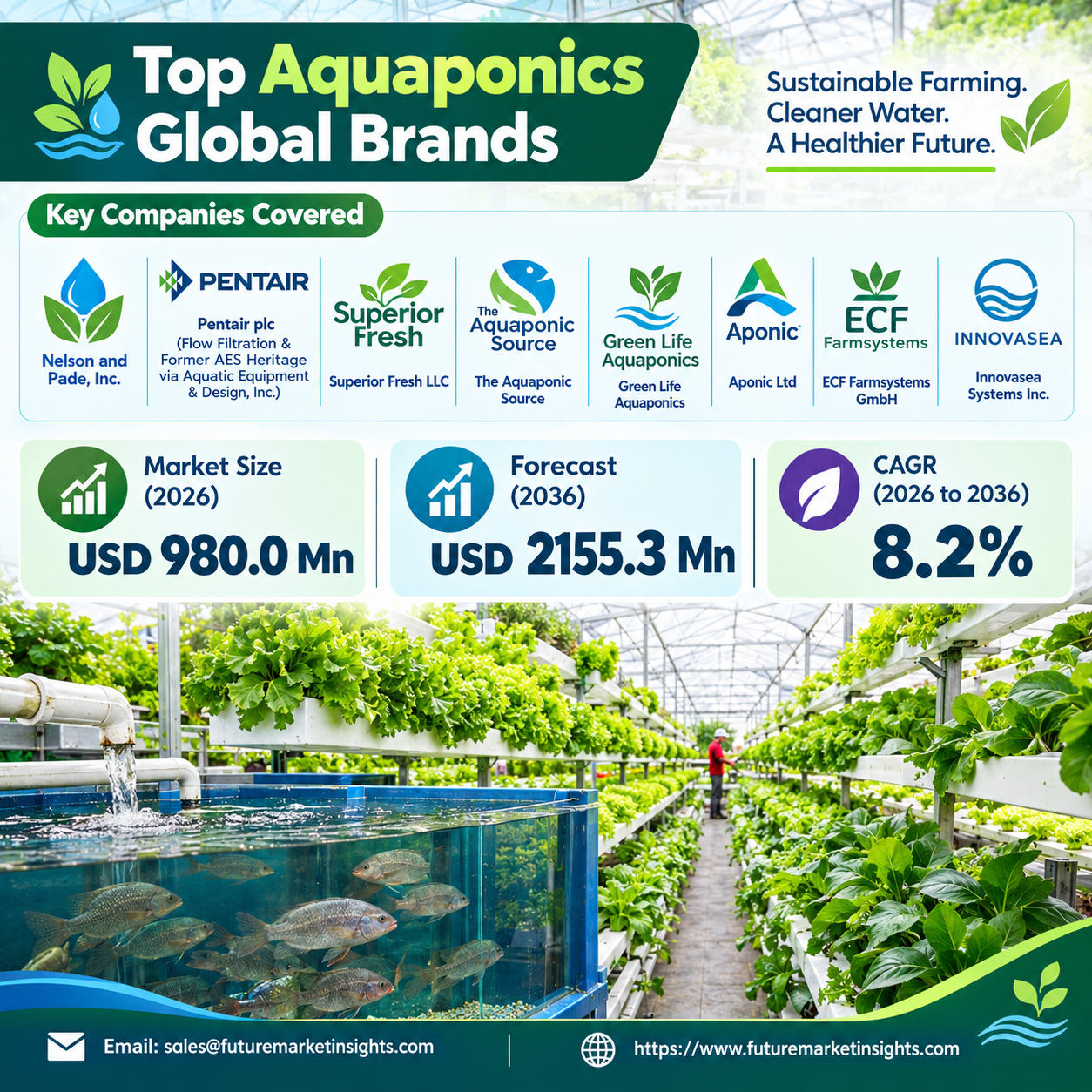
Aquaponics Market to Reach USD 2,155.3 Million by 2036 NEWARK, Del., October 23, 2026 — The global aquaponics market is gaining momentum as agricultural producers, commercial greenhouse operators, and controlled-environment farming businesses explore integrated systems that combine aquaculture with hydroponic crop production. According to the latest market intelligence report published by...
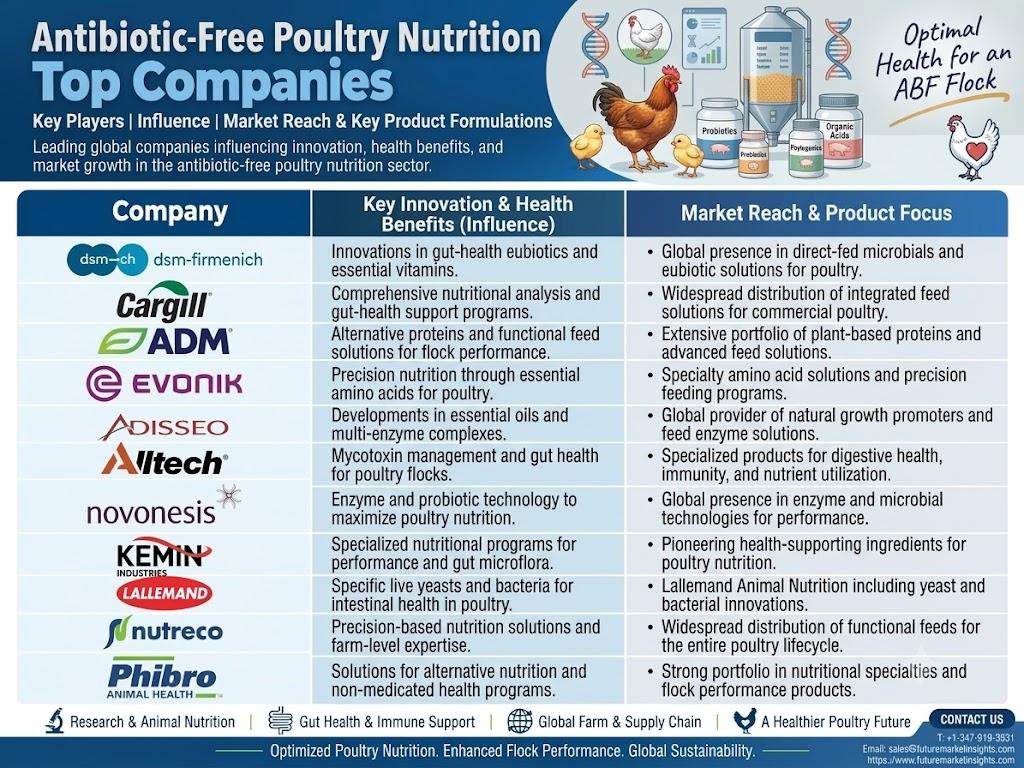
NEWARK, Del., October 16, 2026 — The global Antibiotic-Free Poultry Nutrition Market is gaining momentum as poultry producers increasingly prioritize flock health, feed efficiency, responsible production practices, and alternatives to routine antibiotic use. According to the latest market intelligence report published by Future Market Insights (FMI), the market is estimated at USD...
The Keytruda market represents one of the most remarkable success stories in modern pharmaceutical history, built on the foundation of a single drug that has fundamentally transformed cancer treatment. As a PD-1 inhibitor, pembrolizumab harnesses the body's immune system to fight tumors, and since its first FDA approval for melanoma in 2014, it has accumulated over 40 approved indications...