High-Throughput Assays and DNA Damage Repair Research Driving the Dna Damage Detection Kit Market
Advancing high-throughput genotoxicity screening platforms, double-strand break (DSB) quantification assays, and cancer research initiatives are driving growth across the global Dna Damage Detection Kit Market. Environmental mutagens, ionizing radiation, chemotherapeutic agents, and reactive oxygen species (ROS) induce cellular genomic instability. Standardized detection kits—utilizing Comet assays, Gamma-H2AX phosphorylation immunofluorescence, 8-OHdG ELISA detection, and alkaline unwinding methods—enable researchers to measure oxidative DNA damage, single-strand breaks, and double-strand breaks rapidly with high analytical sensitivity.
In addition, pharmaceutical and biotechnology companies deploy automated DNA damage assays early during preclinical safety and drug candidate screening. Evaluating potential compound genotoxicity prevents off-target mutagenic drug candidates from advancing into expensive clinical trial phases, saving significant R&D capital.
Beyond drug discovery, academic research into DNA Damage Response (DDR) pathways and PARP inhibitor sensitivity relies heavily on standardized quantification kits. Measuring functional DNA repair kinetics provides vital bio-analytical insights into precision oncology paradigms.
Furthermore, continuous assay innovations—such as micro-fluidic Comet chips and fluorometric microplate detection formats—reduce sample volume requirements and shorten overall laboratory processing timelines.
Micro-fluidic Comet chips and Gamma-H2AX immunofluorescence kits deliver high-throughput genotoxicity screening for precision oncology drug discovery.
Do you think automated micro-fluidic Comet assays will become a mandatory preclinical safety standard for all new small-molecule drug candidates?
People Also Ask
How does the Gamma-H2AX phosphorylation assay quantify double-strand DNA breaks in tumor cells?
When double-strand DNA breaks occur, histone H2AX is phosphorylated rapidly at Serine 139 (Gamma-H2AX), creating fluorescent nuclear foci that can be quantified using microplate fluorometry or flow cytometry.
What primary analytical advantage does the single-cell gel electrophoresis (Comet assay) offer in genotoxicity testing?
The Comet assay evaluates DNA single- and double-strand breaks at the individual cell level, allowing researchers to measure cellular heterogeneity and DNA repair kinetics accurately.
#DNADamage #Genotoxicity #OncologyResearch #CometAssay #PrecisionOncology
Categorie
Leggi tutto
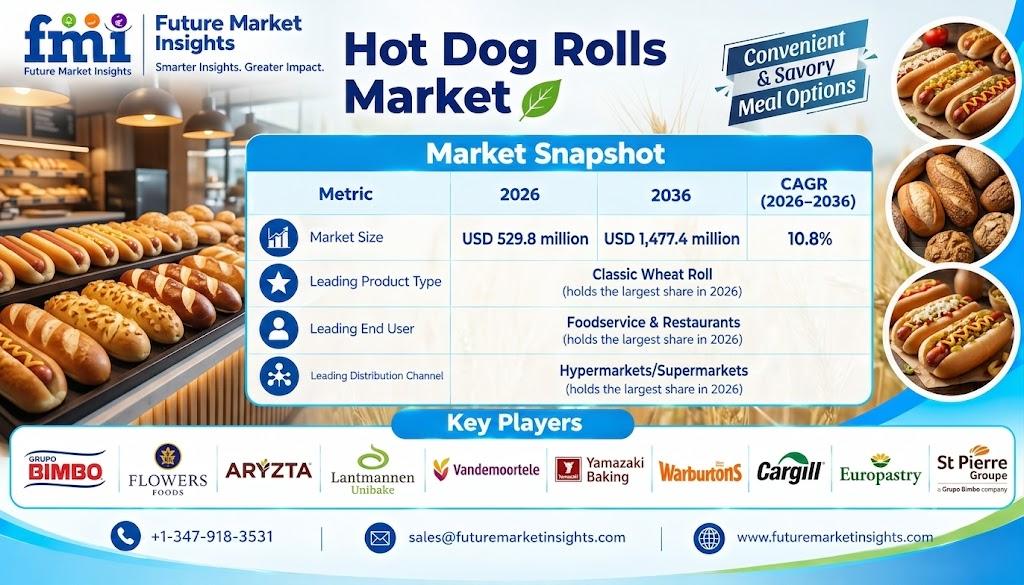
The global Hot Dog Rolls Market is projected to grow from USD 529.8 million in 2026 to USD 1,477.4 million by 2036, advancing at a 10.8% CAGR during the forecast period, according to the latest research from Future Market Insights (FMI). The market is driven by recurring demand for standardized bread products across retail meal occasions and commercial foodservice. Retail multipacks and...
North America holds a dominant position in the global topical products for stretch marks market, driven by high consumer awareness, increased spending on skincare, and the presence of major skincare companies. The region's leadership is a critical factor shaping the direction of the Topical Products Of Stretch Marks Market worldwide. High Consumer Awareness and Spending The United States is the...

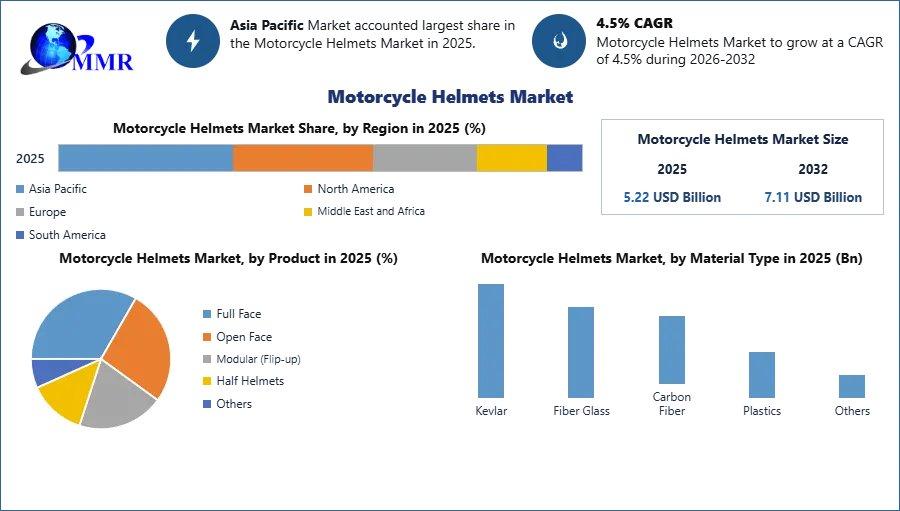
Revenue Outlook and Market Expansion The Motorcycle Helmets Market was valued at USD 5.22 billion in 2025. According to the MMR market overview, total revenue is expected to grow at a CAGR of 8.19% from 2026 to 2032, reaching nearly USD 7.11 billion by 2032. The market is being supported by increasing road-safety awareness, stricter helmet regulations, technological advancements, and...
Delivering reliable, real-time physiological monitoring and intuitive user interactions within compact anatomical form factors requires a coordinated synthesis of optoelectronic semiconductor physics, precision packaging, and embedded software orchestration, establishing the Wearable Technology Components Market Solution framework as a primary pillar of contemporary consumer and clinical...

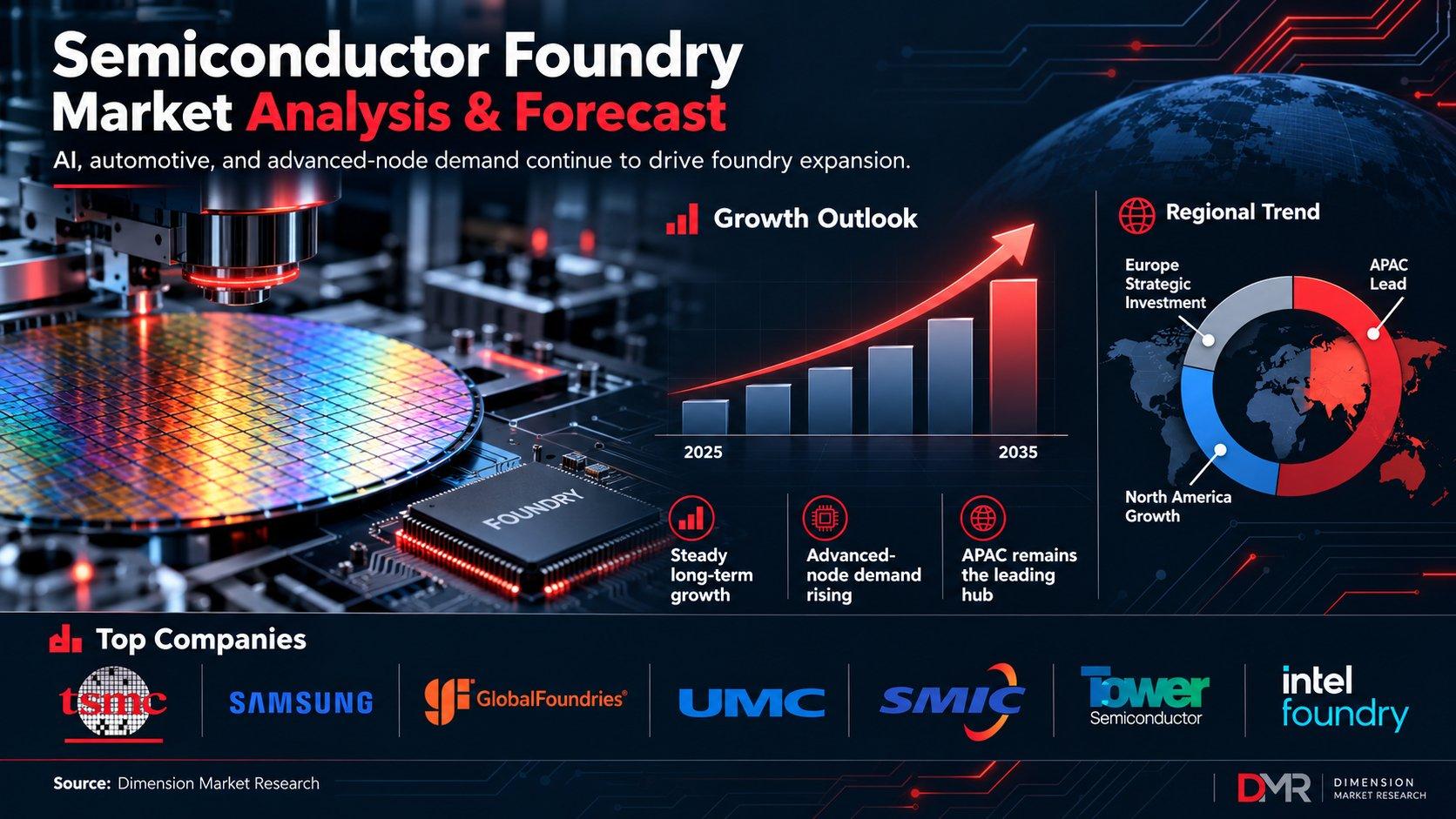
Semiconductor Foundry Market Outlook The Semiconductor Foundry Market is entering a period of sustained expansion as artificial intelligence, 5G, high-performance computing, connected devices and electric vehicles increase demand for advanced and specialized chips. According to Dimension Market Research, the global market was valued at USD 114.1 billion in 2023 and is projected to reach USD...