


Peripheral Artery Disease and the Growing Demand for Guide Wires
Peripheral artery disease (PAD) is one of the most underdiagnosed conditions in cardiovascular medicine. Affecting millions worldwide—particularly older adults and people with diabetes—PAD narrows or blocks arteries supplying the legs, causing pain, limited mobility, and in severe cases, limb loss. As awareness grows and treatment options expand, the demand for interventional tools, including guide wires, is rising.
The Peripheral Guide Wires Market is directly tied to PAD epidemiology and treatment patterns. Cardiovascular diseases account for roughly 31% of global deaths, and the aging population—projected to reach 1.5 billion people over 60 by 2050—drives increasing PAD prevalence. Minimally invasive endovascular procedures, which use guide wires to navigate and treat diseased vessels, are increasingly preferred over open surgery due to shorter recovery, lower complication rates, and cost advantages.
This clinical shift creates sustained demand for guide wires across procedure types. Angioplasty, stenting, and atherectomy all rely on guide wire access. Complex cases—long lesions, calcified vessels, chronic total occlusions—require specialized wires with enhanced pushability, torque control, and tip flexibility. As operators tackle more challenging anatomy, demand for premium wires grows.
Geographically, the impact is uneven. North America and Europe have high diagnosis and treatment rates, supporting steady demand for advanced wires. Asia-Pacific, with a rapidly aging population and expanding healthcare infrastructure, represents the largest growth opportunity—though access to advanced devices varies. Emerging markets show growing demand for cost-effective options, creating opportunities for both premium and value-tier products.
Challenges exist. Underdiagnosis means many PAD patients never reach intervention. Reimbursement pressures in some markets constrain device spending. Competition is intense, with established players and new entrants vying for share.
Looking ahead, the PAD treatment landscape will likely see continued growth in endovascular procedures, driven by demographic trends, technological advances, and evidence supporting minimally invasive approaches. For guide wire manufacturers, success requires products matched to clinical needs—from standard wires to specialized devices for complex lesions—and strategies that address both premium and value segments across geographies.
People Also Ask
How is peripheral artery disease treated?
PAD is managed with lifestyle changes, medication, and revascularization procedures—endovascular interventions using catheters, guide wires, and stents, or surgery in severe cases.
Why are minimally invasive procedures preferred for PAD?
They offer shorter recovery, fewer complications, and lower costs compared with open surgery, making them the preferred approach for many patients.
Tags
#PeripheralArteryDisease #PAD #EndovascularProcedures #VascularHealth #MinimallyInvasive #GuideWires
Categorii
Citeste mai mult
Drug discovery is a long, expensive, and uncertain process. Preclinical optical imaging is helping researchers work faster and smarter by providing real-time, in vivo data on drug distribution, target engagement, and therapeutic effects. By enabling earlier and more accurate assessment of drug candidates, optical imaging is accelerating development and improving success rates. In oncology,...

Market Overview The gene therapy for age-related macular degeneration market is emerging as researchers develop genetic interventions targeting the underlying biological mechanisms of vision loss in aging populations. These therapies aim to deliver long-lasting or one-time treatment effects, contrasting with the recurring injection regimens common in current AMD management. The Gene Therapy For...
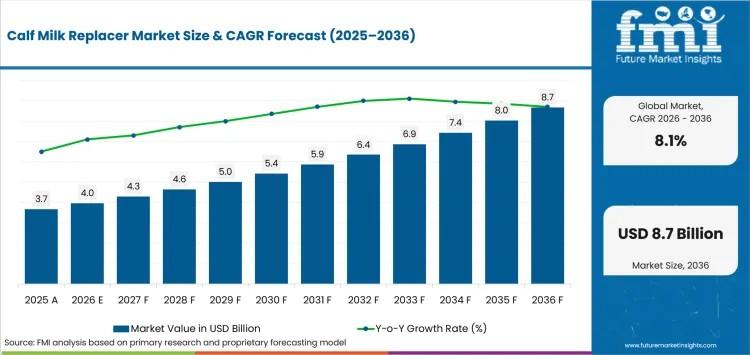
Calf Milk Replacer Market Dairy Farms Prioritize Consistent Early-Life Nutrition The global Calf Milk Replacer Market is expanding as commercial dairy farms increasingly rely on standardized liquid nutrition programs during the pre-weaning stage. According to Future Market Insights, the market is projected to increase from USD 4.0 billion in 2026 to USD 8.7 billion by 2036, expanding at an 8.1%...
USA Prenatal Vitamin Supplements Market to Reach USD 411.9 Million by 2036 at 6.4% CAGR NEWARK, Del., October 29, 2026 — The USA prenatal vitamin supplements market is gaining momentum as maternal nutrition awareness, preconception health planning, and demand for pregnancy-specific nutritional products strengthen consumer interest. Supplement manufacturers are focusing on formulations...

Few drugs have shaped modern psychiatry as thoroughly as paroxetine. Introduced in the early 1990s, this selective serotonin reuptake inhibitor quickly became one of the most prescribed antidepressants in the world — and despite patent expirations and fierce generic competition, it remains a durable force in global pharmaceutical markets. The paroxetine market today is a study in...