


Small Cells Market: Densifying Networks for the 5G Era
Mobile networks face a paradox: demand for data keeps rising, but spectrum and macro tower capacity are finite. Small cells solve this by adding low-power, short-range base stations that increase capacity and coverage—especially in dense urban areas, indoors, and venues. As 5G demands denser networks, the small cells market is growing rapidly, becoming essential infrastructure for the connected world.
The Small Cells Market was valued at approximately USD 6.1 billion in 2024 and is projected to reach USD 13 billion by 2032, growing at a CAGR of about 9.92%. Growth is driven by rising mobile data demand, urbanization and densification, 5G deployment needs, cost-effective coverage solutions, and IoT expansion. North America and Asia-Pacific lead, with Europe following.
Technology types include femtocells (indoor residential/small business), picocells (enterprise and public venues), microcells (outdoor coverage), metrocubes, and radio dots. Femtocells and picocells hold significant share, reflecting demand for indoor and venue coverage.
Deployment options span outdoor, indoor, carrier Wi-Fi, remote radio heads, and multi-operator models. End uses include residential, commercial, transportation, public venues, and SMEs.
The competitive landscape includes Huawei, Ericsson, Nokia, Samsung, ZTE, Qualcomm, Cisco, CommScope, and others. Innovation focuses on 5G support, integrated deployment, and cost efficiency.
Looking ahead, small cells will be central to 5G densification, private networks, and smart city infrastructure. Challenges include site acquisition, backhaul, and regulatory hurdles. For vendors, integration and cost-effectiveness are key. In the 5G era, small cells are big business—and the market reflects that reality.
People Also Ask
What are small cells?
They're low-power cellular base stations that provide localized coverage and capacity—used to complement macro networks in dense or indoor areas.
Why are small cells important for 5G?
5G requires denser networks to deliver high speeds and low latency—small cells enable that density cost-effectively.
Tags
#SmallCells #5GNetworks #NetworkDensification #TelecomInfrastructure #MobileNetworks #WirelessTechnology
Categorias
Leia Mais
Protective surgical gowns are personal protective equipment (PPE) worn by healthcare professionals during surgical procedures to protect against blood, body fluids, and microorganisms. These gowns are critical for preventing healthcare-associated infections (HAIs) and ensuring the safety of both patients and healthcare workers. The market for protective surgical gowns is expanding steadily,...

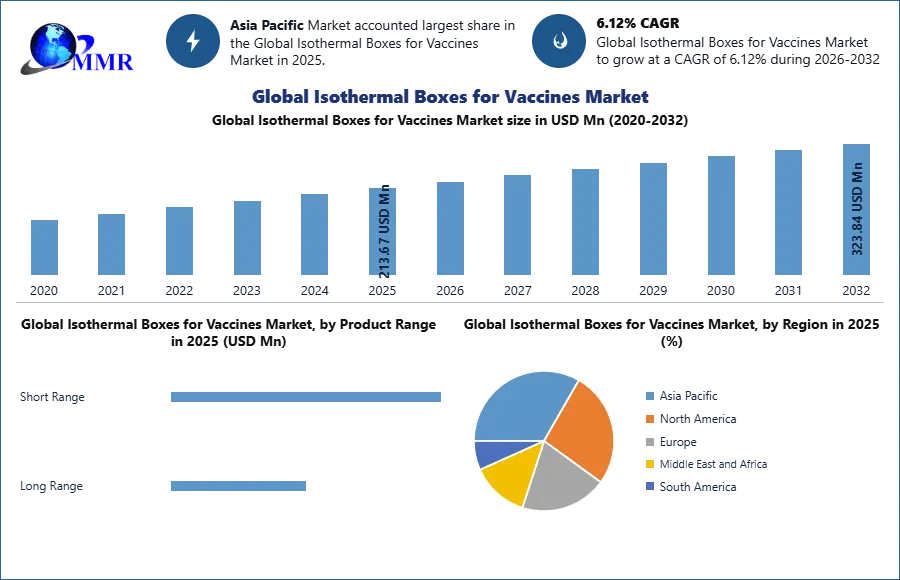
Market Overview The Isothermal Boxes for Vaccines Market is witnessing steady growth as healthcare organizations, pharmaceutical companies, and government agencies increasingly focus on maintaining vaccine quality during storage and transportation. Isothermal boxes play an essential role in vaccine cold chain management by maintaining the required temperature range and...
Targeting DNA hypermethylation to reactivate silenced tumor-suppressor genes represents a foundational strategy across hematological oncology within the global Decitabine Drug Market. Decitabine (5-aza-2'-deoxycytidine) acts as a potent cytidine analog that incorporates into DNA during replication, irreversibly inhibiting DNA methyltransferase (DNMT) enzymes. Inducing global DNA hypomethylation...
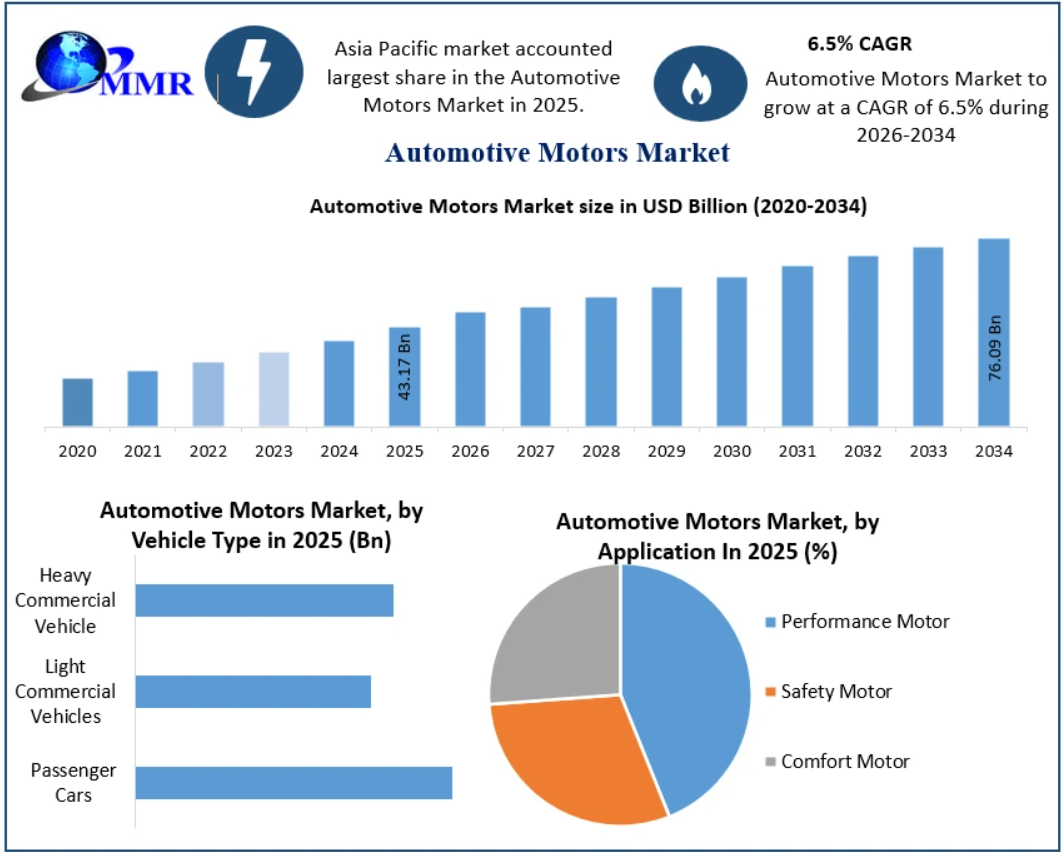
Automotive Motors Market Overview The Automotive Motors Market report provides an in-depth analysis that is required to make informed industry decisions and develop strategic growth plans. Regardless of the production method or cost structures, the Automotive Motors market report provides a full understanding of advanced tactics and plans. Automotive...
Few drugs have shaped modern psychiatry as thoroughly as paroxetine. Introduced in the early 1990s, this selective serotonin reuptake inhibitor quickly became one of the most prescribed antidepressants in the world — and despite patent expirations and fierce generic competition, it remains a durable force in global pharmaceutical markets. The paroxetine market today is a study in...