Ocular Surface Health Focus and Preservative-Free Formulations Reshaping Drop Therapy
Rising clinical awareness of benzalkonium chloride (BAK) toxicity, increasing incidence of ocular surface disease (OSD), and growing demand for single-dose containers are driving product shifts within the Glaucoma Treatment Market. Preservative-free glaucoma drops prevent corneal epithelial damage and chronic dry eye symptoms associated with long-term BAK exposure, enhancing patient drop adherence.
In addition, incorporating multi-dose preservative-free (MDPF) bottle valve technology into pharmaceutical packaging prevents bacterial back-contamination without chemical preservatives. Specialized filter valves allow sterile drop dispensing while blocking ambient air and microbial ingress.
Beyond single-agent drops, modern pharmaceutical lines feature fixed-dose combination eye drops combining prostaglandin analogs with beta-blockers or carbonic anhydrase inhibitors. Fixed combinations reduce daily drop frequency, preserving corneal health while boosting IOP suppression.
Furthermore, digital adherence tools—such as smart eye drop bottle caps that sync with smartphone apps—help patients maintain consistent dosing schedules.
Preservative-free formulations protect corneal surface integrity while delivering potent, long-term intraocular pressure reduction.
Will preservative-free multi-dose bottles completely replace traditional BAK-preserved eye drops in global retail pharmacies?
People Also Ask Why is benzalkonium chloride (BAK) problematic in long-term glaucoma eye drops? Chronic BAK exposure causes corneal epithelial damage, tear film instability, inflammation, and uncomfortable dry eye symptoms.
How do multi-dose preservative-free (MDPF) bottle valves function? MDPF valves utilize physical filter barriers and uni-directional pumps to dispense sterile drops while blocking bacterial ingress into the bottle.
#GlaucomaTreatmentMarket #PreservativeFree #DryEye #CornealHealth #MarketResearchFuture
Catégories
Lire la suite
Surging global incidence of vector-borne tropical diseases, expanding geographical distribution of Aedes mosquitoes linked to climate shifts, and rising clinical demand for rapid bedside screening are driving rapid expansion across the global Dengue Rapid Test Market. Dengue rapid tests—comprising lateral flow immunochromatographic cassette devices—provide quick qualitative...

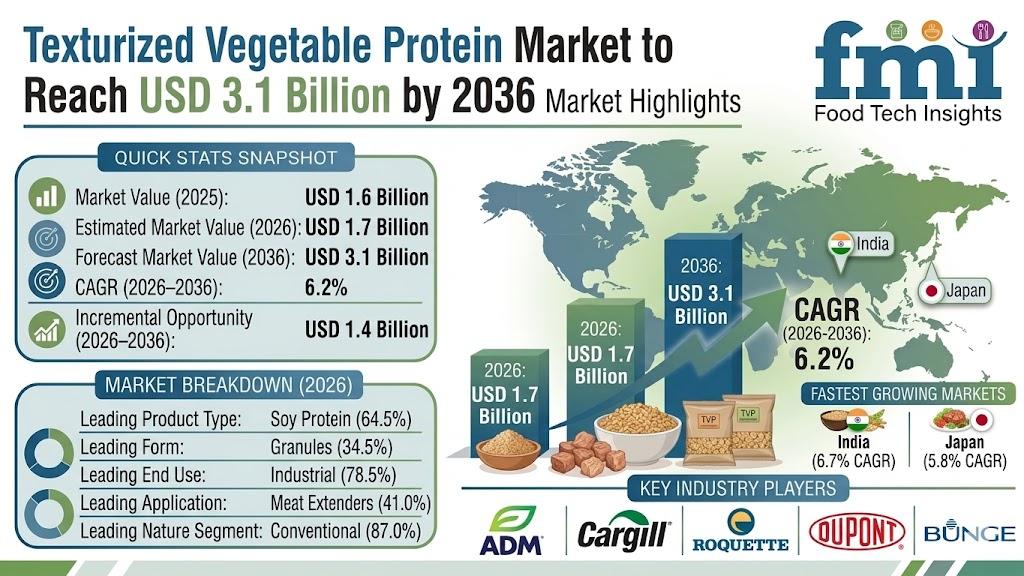
Texturized Vegetable Protein Market Size to USD 3.2 Billion by 2036, Germany – CAGR 8.4%, UK – CAGR 8.0% By FMI Research Report NEWARK, Del., October 10, 2026. — The global texturized vegetable protein market is estimated at USD 1.7 billion in 2026 and is projected to reach USD 3.2 billion by 2036, expanding at a CAGR of 6.6% from 2026 to 2036, according to Future Market...
Shea Stearin Market to Reach USD 499.9 Million by 2036, Growing at 8.9% CAGR NEWARK, Del., October 26, 2026 — The global shea stearin market is gaining momentum as chocolate manufacturers, bakery ingredient suppliers, and specialty fat producers explore alternatives to cocoa butter and conventional hardstock fats. According to the latest market intelligence report published by Future...
Seam tapes have become an essential component in the manufacturing of waterproof and weather-resistant fabrics, providing a reliable way to seal stitched seams against moisture, wind, and other environmental elements without compromising fabric flexibility or breathability. Widely used across outdoor apparel, footwear, medical garments, automotive interiors, and technical textiles, these...
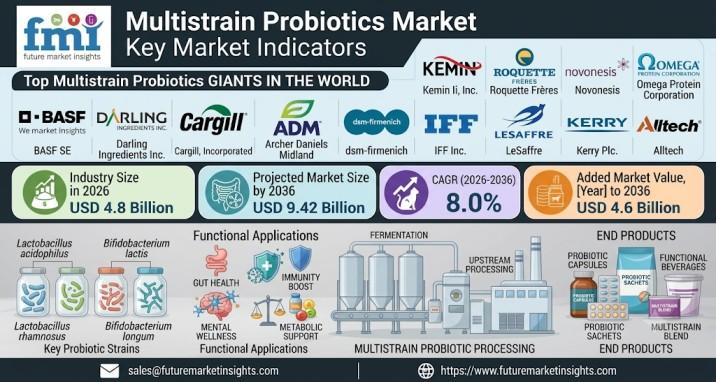
NEWARK, Del., November 10, 2026 — The global Multistrain Probiotics Market is estimated to reach USD 4.36 billion in 2026. According to Future Market Insights (FMI), the market is projected to grow to USD 9.42 billion by 2036, registering a compound annual growth rate (CAGR) of 8.0% between 2026 and 2036. The market outlook reflects increasing interest in multi-strain probiotic...