


Neuromyelitis Optica Spectrum Disorder Market: Precision Medicine Transforms a Devastating Disease
Neuromyelitis optica spectrum disorder (NMOSD) is a rare autoimmune disease of the central nervous system that primarily attacks the optic nerves and spinal cord, causing vision loss, paralysis, and sensory disturbances. Once confused with multiple sclerosis, NMOSD is now recognised as a distinct condition driven — in most cases — by antibodies targeting aquaporin-4, a water channel protein on astrocytes. This biological clarity has transformed drug development, and the NMOSD market is expanding rapidly as targeted therapies reach patients.
The market includes acute relapse treatments (intravenous corticosteroids, plasma exchange) and long-term preventive therapies. The preventive segment has seen the most dramatic innovation, with several monoclonal antibodies approved in recent years — including complement inhibitors, IL-6 receptor blockers, and B-cell depleting agents. According to neuromyelitis optica spectrum disorder market research, growth is being driven by improved diagnosis (aquaporin-4 antibody testing), expanding approval of targeted biologics, and rising awareness among neurologists. These therapies have substantially reduced relapse rates and disability progression in clinical trials.
Innovation continues. Oral therapies are being explored for greater convenience. Newer biologics targeting different immune pathways are in development. Biomarker research is enabling earlier diagnosis and better monitoring of treatment response. The ability to detect aquaporin-4 antibodies has been transformative, allowing identification of patients who will benefit most from complement-targeting therapies.
Challenges include the high cost of biologic therapies, access disparities across regions, and the need for long-term safety data. However, the trajectory is strongly positive: NMOSD has moved from a condition with limited options to one with multiple approved targeted therapies, making it a model for precision medicine in neuroimmunology.
People Also Ask
Q: What is neuromyelitis optica spectrum disorder?
A: It is a rare autoimmune disease that attacks the optic nerves and spinal cord, often caused by antibodies targeting aquaporin-4, leading to vision loss and paralysis.
Q: What treatments are available for NMOSD?
A: Acute relapses are treated with corticosteroids or plasma exchange; long-term prevention uses monoclonal antibodies such as complement inhibitors and IL-6 blockers.
Tags: #NMOSD #NeuromyelitisOptica #AutoimmuneDisease #PrecisionMedicine #NeurologyMarket #MarketResearch
الأقسام
إقرأ المزيد
The Pharmacovigilance And Drug Safety Software Market was valued at USD 2 billion in 2025 and is projected to grow to USD 5.8 billion by 2035, registering a CAGR of 8.8% during the forecast period. This significant growth trajectory reflects the essential role of pharmacovigilance software in addressing the demand for effective drug safety monitoring, regulatory compliance, and improved patient...

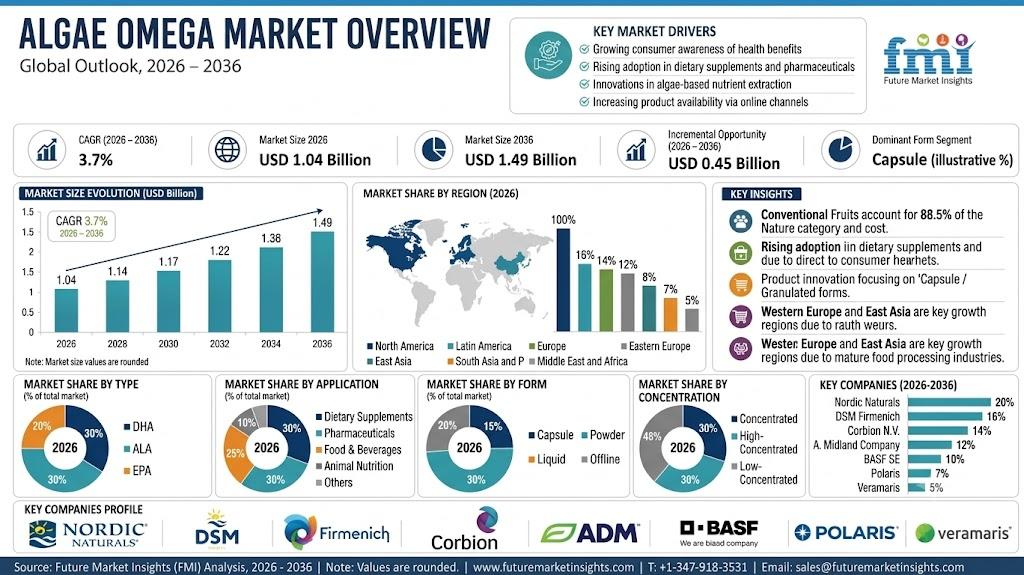
The global algae omega market is estimated at USD 1.04 billion in 2026 and is projected to reach USD 1.49 billion by 2036, expanding at a 3.7% CAGR during the 2026-2036 forecast period, according to Future Market Insights. Growth is being supported by increasing adoption of plant-based omega-3 ingredients, rising demand for high-purity DHA in prenatal and infant nutrition, and expanding...
Market Overview The Culture Media Of Microbiology Market remains a foundational segment of clinical diagnostics, pharmaceutical quality control, and academic research, supplying the nutrient-rich substrates required to grow and identify bacteria, fungi, and other microorganisms. Rising infectious disease testing volumes and stringent pharmaceutical sterility standards continue to support steady...
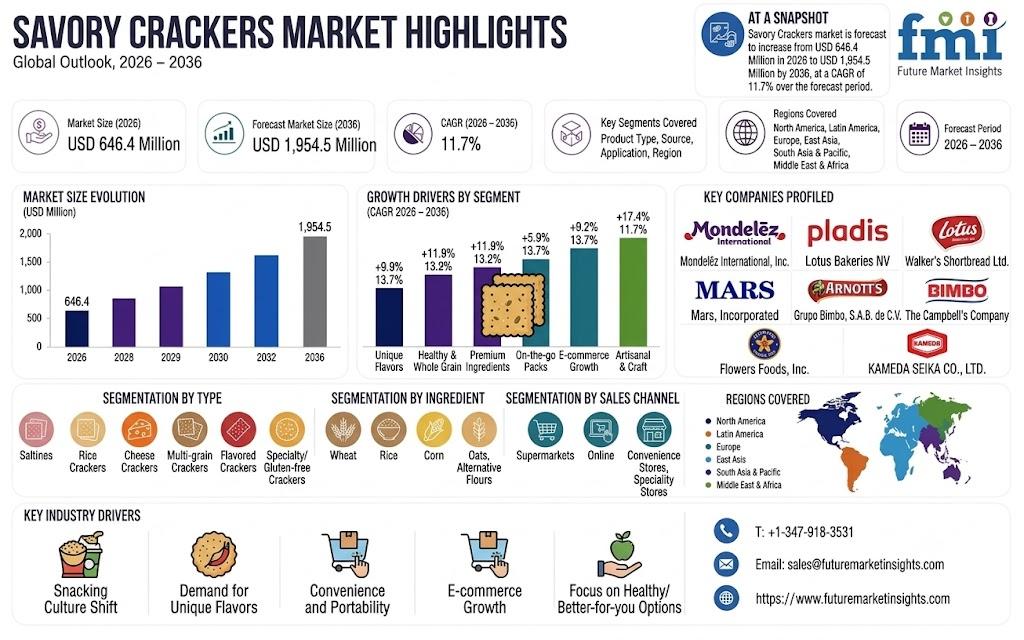
Savory Crackers Market Classic Salted Leads Product Types at 28.0% The global Savory Crackers Market is forecast to increase from USD 646.4 million in 2026 to USD 1,954.5 million by 2036, expanding at an 11.7% CAGR during the 2026–2036 forecast period, according to Future Market Insights. Demand for savory crackers is expanding as frequent snacking, sharing, food pairing, and convenient...
Livestock production is a major economic sector in South America, and animal health is critical to its success. Veterinary laboratory testing plays a central role in maintaining herd health, preventing disease outbreaks, and ensuring productivity. Understanding the applications of laboratory testing in livestock helps producers, veterinarians, and regulators appreciate its value. Infectious...