


Skin Analysis Systems Market: Technology Brings Precision to Dermatology and Aesthetics
Skin is the body's largest organ, and assessing its health, texture, pigmentation, and ageing has traditionally relied on visual inspection and clinical experience. Skin analysis systems are changing that, using imaging, spectroscopy, and software to provide objective, quantifiable data about skin condition. From dermatology clinics to aesthetic practices and cosmetic counters, these systems are gaining traction, and the skin analysis systems market is expanding accordingly.
The market includes imaging systems (facial analysis cameras, dermatoscopes, and multispectral imaging), skin diagnostic devices, and software platforms for treatment planning and progress tracking. Applications span acne assessment, pigmentation analysis, wrinkle and texture evaluation, skin cancer screening support, and cosmetic treatment planning. According to skin analysis systems market research, growth is being driven by rising demand for aesthetic procedures, increasing skin cancer awareness, advances in imaging technology, and the expansion of personalised skincare. North America and Europe lead the market, while Asia-Pacific is expected to grow fastest as aesthetic medicine expands.
Innovation is focused on imaging depth and AI analysis. Multispectral and hyperspectral imaging can assess features beneath the skin surface. AI algorithms analyse images to quantify parameters like pore size, pigmentation, and wrinkles, and to support lesion classification. Integration with treatment devices and electronic records is improving workflow.
Challenges include cost, variability in image capture, regulatory requirements for diagnostic claims, and the need for clinical validation. Yet the value proposition — objective measurement, better treatment planning, and improved patient communication — is compelling. The skin analysis systems market is expected to grow as technology improves and adoption broadens.
People Also Ask
Q: What are skin analysis systems used for?
A: They assess skin condition — including texture, pigmentation, wrinkles, and lesions — for dermatology, aesthetic treatment planning, and skincare personalisation.
Q: Are skin analysis systems accurate?
A: Accuracy varies by device; many systems provide useful objective data, but clinical validation and proper use are essential.
Tags: #SkinAnalysis #Dermatology #AestheticMedicine #SkinImaging #AIinDermatology #MarketResearch
Kategorien
Mehr lesen
According to Market Research Future, Solar Tracker Systems for Utility Scale Projects represent a critical technology for maximizing energy production from large solar installations. As utility-scale solar projects expand globally, tracking systems have become essential for optimizing project economics and meeting renewable energy targets. Understanding Utility-Scale Solar Tracking...
Achieving optimal tissue approximation and wound closure across delicate surgical procedures relies heavily on high-performance material selection. Detailed analysis within the Suture Market report demonstrates how synthetic absorbable polymers—such as polyglactin and poliglecaprone—deliver predictable tensile strength retention and smooth absorption profiles. Surgeons across...

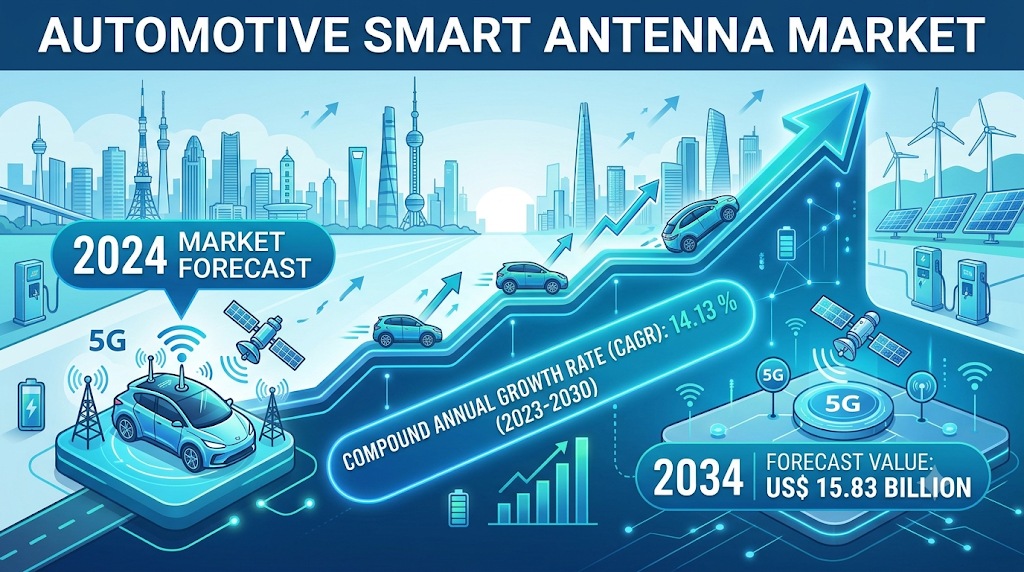
Automotive Smart Antenna Market Report Overview The forecasting process primarily hinges on the analysis of historical data alongside current trends in the Automotive Smart Antenna Market. This comprehensive data collection employs a blend of primary and secondary research methodologies. The report encompasses vital components such as market size, share, regional analysis, dynamics, CAGR,...
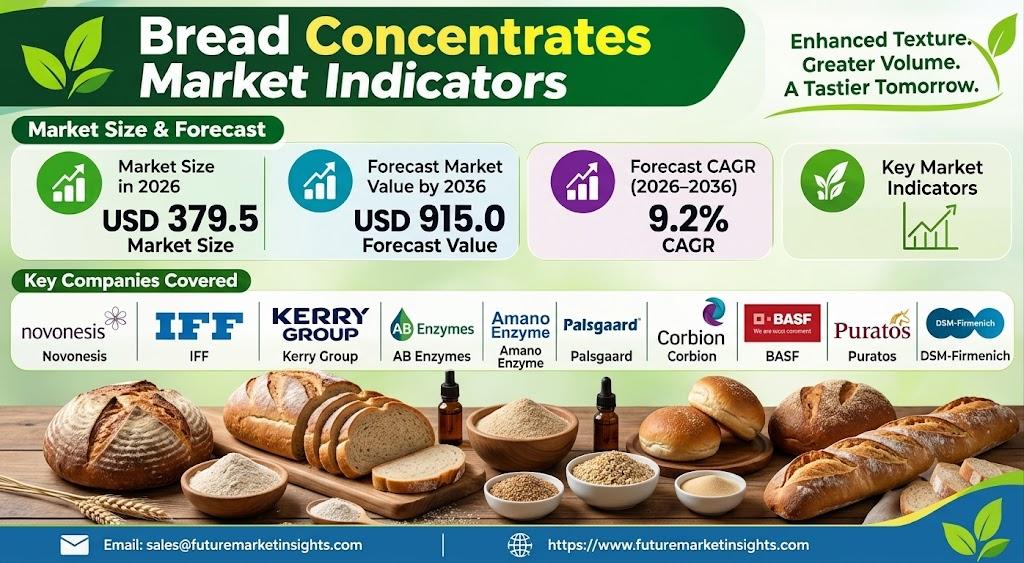
NEWARK, Del., October 30, 2026 The global bread concentrates market is gaining momentum as commercial bakeries, industrial bread manufacturers, and food ingredient suppliers seek solutions that improve production efficiency, product consistency, and formulation flexibility. Growing demand for convenient bakery ingredients, standardized bread quality, and efficient large-scale manufacturing is...
The Non-Small Cell Lung Cancer Treatment Market was valued at USD 22.8 billion in 2025 and is projected to grow to USD 45 billion by 2035, registering a CAGR of 7% during the forecast period. This significant growth trajectory reflects the essential role of NSCLC treatments in addressing the demand for effective cancer therapies, improved patient outcomes, and innovative treatment options...