Point-of-Care TDM and the Therapeutic Drug Monitoring Market: Results at the Bedside
Traditional TDM requires sending samples to a central laboratory, with results returning hours or days later. Point-of-care (POC) TDM devices aim to deliver results faster, enabling real-time dose adjustment. This innovation is expanding the therapeutic drug monitoring market, particularly in settings where rapid decisions matter.
POC TDM is valuable for drugs with narrow therapeutic windows and time-sensitive dosing, such as certain antibiotics and anticonvulsants. According to therapeutic drug monitoring market research, POC TDM is an emerging segment, supported by advances in biosensor technology and miniaturised analytics. Growth is driven by demand for faster turnaround and decentralised testing.
Innovation includes handheld analysers, lateral flow assays, and integrated systems that connect results to clinical decision support.
Challenges include accuracy validation, cost, and regulatory requirements.
Yet the trend is clear: POC TDM will expand access and improve timeliness, and the market is expected to benefit as technology matures.
People Also Ask
Q: What is point-of-care TDM?
A: It is therapeutic drug monitoring performed near the patient, delivering faster results to support timely dose adjustment.
Q: Where is point-of-care TDM most useful?
A: It is valuable for drugs with narrow therapeutic windows and time-sensitive dosing, such as certain antibiotics and anticonvulsants.
Tags: #PointOfCare #TDM #RapidTesting #ClinicalDecisionSupport #Biosensors #MarketTrends
Κατηγορίες
Διαβάζω περισσότερα
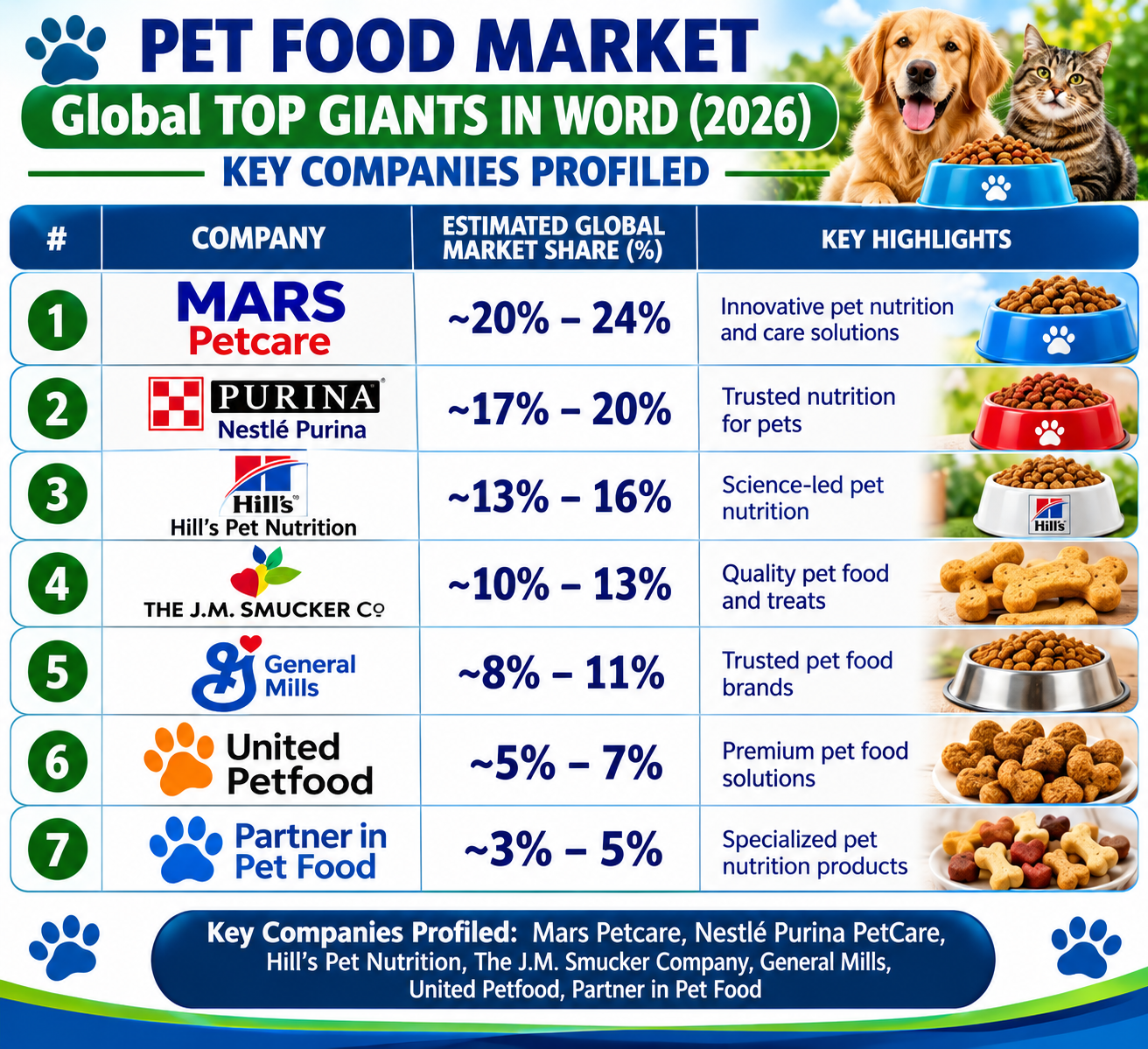
NEWARK, Del., November 5, 2026 — The global Pet Food Market is projected to reach USD 141.0 billion in 2026. According to Future Market Insights (FMI), the market is forecast to grow to USD 263.8 billion by 2036, expanding at a CAGR of 6.5% between 2026 and 2036. This represents an incremental market opportunity of USD 122.8 billion over the forecast period. The market outlook...
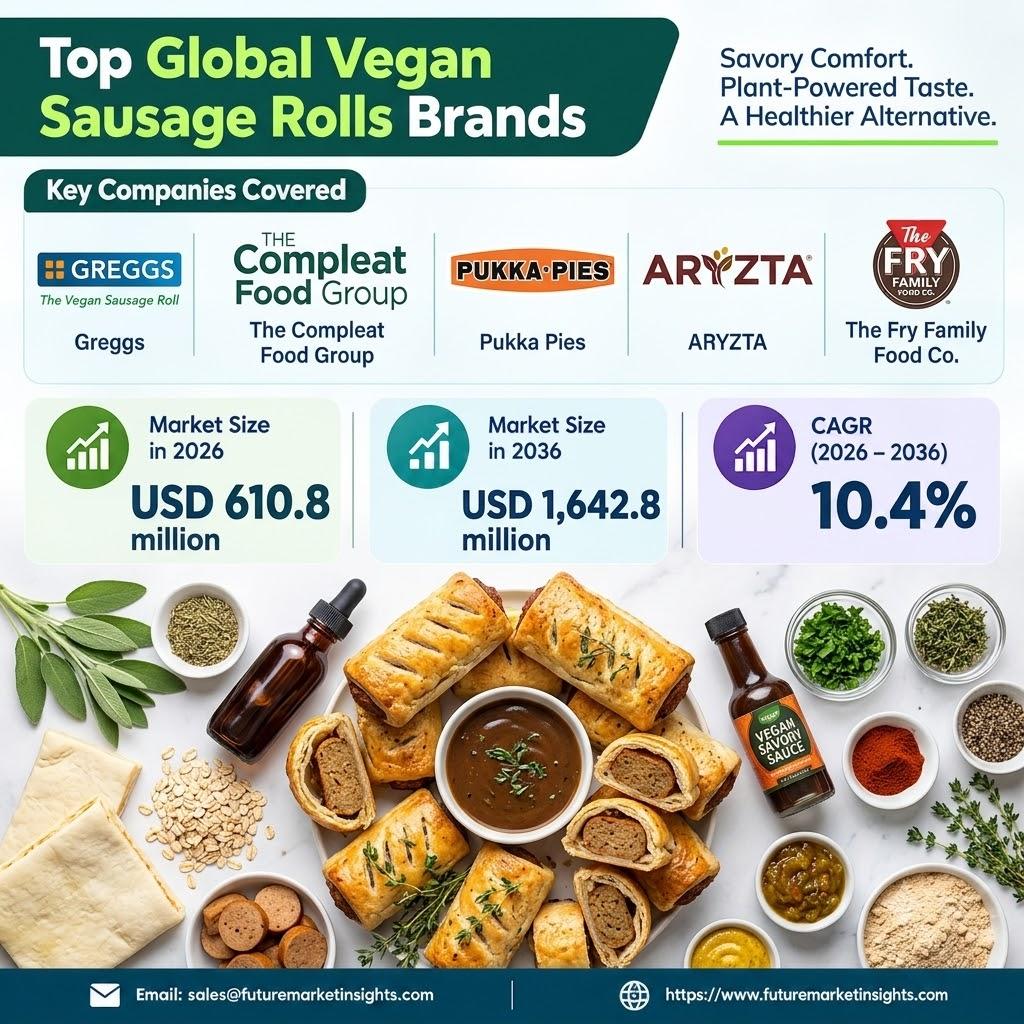
Vegan Sausage Rolls Market Growing at 10.4% CAGR as Plant-Based Snacking Expands NEWARK, Del., October 26, 2026 — The global vegan sausage rolls market is gaining momentum as bakery manufacturers, foodservice operators, and retailers expand plant-based savory snack offerings to meet changing consumer preferences. According to the latest market intelligence report published by Future...
The Mobile Mapping Market is experiencing robust global adoption driven primarily by the accelerating development of smart cities, comprehensive urban planning initiatives, and large-scale transportation infrastructure projects that demand precise, up-to-date geospatial data to support informed decision making and efficient resource allocation. As the world's urban population continues to grow,...

The inspection machine market is evolving toward greater automation, system integration, and global expansion. These trends will shape growth and determine how quality inspection is conducted over the coming decade. Automation is a major theme. As manufacturers pursue lights-out production, inspection systems are becoming more automated and integrated into production lines. According to...

Global Matte Labels Market: Industry Trends, Growth Drivers, Opportunities, and Forecast 2030 Global Matte Labels Market Overview The Global Matte Labels Market was valued at USD 664.16 million in 2023 and is expected to reach USD 1,468.25 million by 2030, growing at a CAGR of 12% during the forecast period from 2024 to 2030. Matte labels are specialized labeling solutions characterized by...