Functional Cure Strategies for Chronic Hepatitis B Reshaping Drug Discovery
High global prevalence of chronic Hepatitis B Virus (HBV), risks of disease progression to liver failure, and current therapy limitations in achieving complete viral clearance are driving drug R&D in the Hepatitis Therapeutic Market. Current nucleoside reverse transcriptase inhibitors suppress active viral replication but fail to eliminate persistent viral cccDNA in host hepatocyte nuclei, requiring lifelong daily therapy.
In addition, biopharmaceutical pipelines focus on novel functional cure strategies combining capsid assembly modulators (CAMs), antisense oligonucleotides (ASOs), and small interfering RNAs (siRNAs). Gene-silencing platforms degrade HBV RNA transcripts, drastically lowering hepatitis B surface antigen (HBsAg) levels.
Beyond viral replication inhibitors, modern HBV drug development incorporates host-targeted immunomodulators. Therapeutic vaccines and Toll-like receptor (TLR) agonists stimulate host T-cell immune responses to clear infected liver cells naturally.
Furthermore, cloud-integrated clinical trial networks allow hepatology researchers to track HBsAg seroclearance rates across global multi-center clinical trials securely.
Next-generation functional cure therapies aim to eliminate lifelong medication burdens for chronic Hepatitis B patients.
Will combination siRNA and capsid assembly modulator therapies achieve a functional cure for chronic Hepatitis B by 2032?
People Also Ask What is a "functional cure" in chronic Hepatitis B clinical research? A functional cure is defined as sustained loss of Hepatitis B surface antigen (HBsAg) and undetectable viral DNA in blood after finishing a finite treatment course.
Why is cccDNA difficult to clear in Hepatitis B patients? cccDNA resides inside host cell nuclei as a stable mini-chromosome, serving as a permanent template for viral replication that standard antivirals cannot destroy.
#HepatitisTherapeuticMarket #HepatitisBCure #siRNATherapeutics #Hepatology #MarketResearchFuture
الأقسام
إقرأ المزيد
Increasing global incidence of severe respiratory failure, expanding adult and pediatric cardiac surgery volumes, and continuous technological refinements in prolonged extracorporeal life support are fueling growth across the global Extracorporeal Membrane Oxygenation System Market. Extracorporeal membrane oxygenation (ECMO) systems provide temporary cardiopulmonary bypass support for...

The global Nuclear Cardiology market is expanding as hospitals, diagnostic centers, and cardiology clinics invest in advanced nuclear imaging technologies to support cardiac diagnosis, treatment planning, and patient monitoring applications. The market was valued at USD 5.8 billion in 2023 and is projected to reach USD 11.2 billion by 2032, growing at a CAGR of 7.7%. The Nuclear Cardiology...
Market Overview Healthcare facilities and home-care providers are increasingly turning to therapeutic bathtubs to support patients with mobility limitations, chronic pain, and post-surgical rehabilitation needs. These specialized units combine hydrotherapy benefits with safety features designed for elderly and disabled populations. Growth in the Therapeutic Bathtub Market is being driven by...
Personalized medicine aims to match treatments to individual patients. HIF1A antibodies are helping make that possible by revealing how HIF-1 alpha behaves in different tumors and patients. This information can guide treatment decisions, especially for cancers that thrive in low-oxygen environments. HIF-1 alpha is overexpressed in many cancers and is linked to poor prognosis. Antibodies that...
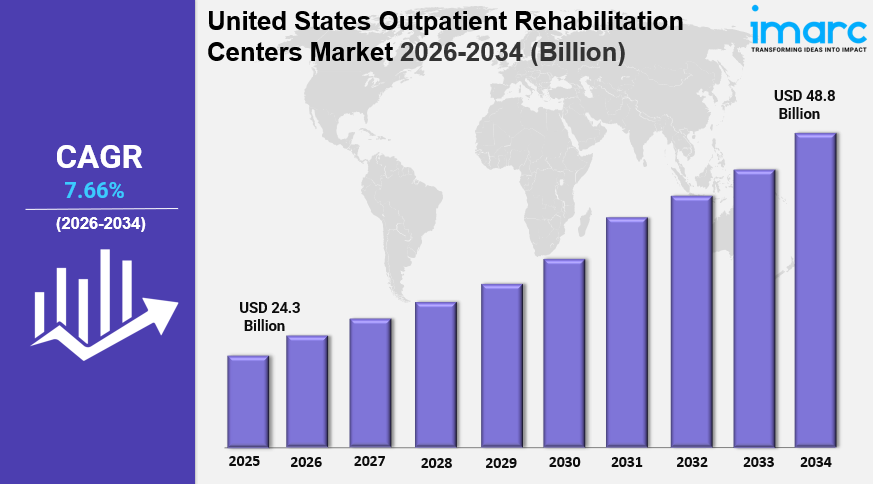
The latest report by IMARC Group, titled "United States Outpatient Rehabilitation Centers Market Size, Share, Trends and Forecast by Therapy Type, Age, and Region, 2026-2034", offers a comprehensive analysis of the industry, which comprises insights on the United States outpatient rehabilitation centers market. The report also includes competitor and regional analysis. United States Outpatient...