


Petroleum Transportation Infrastructure Anchors Global Supply

Petroleum transportation infrastructure moves crude oil and refined products from production sites to refineries and end markets through gathering, transmission and distribution networks. According to Market Research Future, petroleum transportation infrastructure remains dominated by crude oil service, which holds the largest market share through extensive utilisation in energy generation and transportation. The market was valued at USD 86.81 billion in 2025 and is projected to reach USD 187.44 billion by 2035 at an 8.0% CAGR.
Report Key Statistics
Insights published by Market Research Future show transportation holding the dominant application share, encompassing movement of crude oil, natural gas and refined products through extensive pipeline networks. Transmission pipelines hold the largest pipeline-type share with valuations between USD 30.0 and 70.0 billion, while gathering pipelines grow fastest on shale production. Steel dominates material selection with valuations between USD 12.05 and 76.0 billion. North America leads regionally with a 40.0% share, followed by Europe at 25.0% and Asia-Pacific at 12.0%.
Network Architecture and Material Selection
Gathering pipelines collect production from individual wells at lower pressures and smaller diameters, routing it to processing facilities. Transmission pipelines carry processed hydrocarbons over long distances at high pressure, requiring steel construction that withstands demanding operating conditions. Distribution pipelines deliver gas to end users at reduced pressure. Material choice follows pressure and corrosion requirements, with steel dominating transmission and plastic favoured where corrosion resistance and lower installation cost matter more than pressure capacity.
Industry Trends
Findings from Market Research Future identify several developments. First, technological advancements are enhancing pipeline efficiency and safety, with real-time monitoring systems and predictive maintenance tools reducing leak and failure risk. Second, sustainability initiatives are influencing investment decisions, with companies adopting eco-friendly materials and integrating renewable energy sources into operations. Third, geopolitical influences are shaping supply chain dynamics as nations diversify supply sources and pursue energy security through new cross-border projects.
Challenges Facing the Segment
Environmental considerations increasingly shape design and operation, with regulatory pressures forcing operators to prioritise leak detection and integrity management. Geopolitical factors create uncertainty in cross-border project development. Fluctuating energy prices influence capital allocation, and permitting timelines can delay project sanctioning by years. Competition from alternative transport modes affects economics in some corridors.
Future Outlook
Analysis presented by Market Research Future points to rising energy demand from population growth and urbanisation, with investment in pipeline infrastructure expanding to meet this demand. Global trade dynamics are driving cross-border pipeline projects as countries seek to secure energy supplies. Smart pipeline monitoring and predictive maintenance are expected to attract investment and support the projected growth trajectory to USD 187.44 billion by 2035.
Expert Discussion
Industry observations from Market Research Future note that TransCanada completed a mainline expansion increasing capacity by 15% in September, while Enbridge announced a partnership with a leading renewable energy firm in November to develop a hybrid pipeline system integrating traditional transport with renewable sources. Kinder Morgan unveiled a digital monitoring system in October using AI algorithms to predict maintenance needs and detect anomalies in real time.
Conclusion
Petroleum transportation infrastructure remains the physical backbone of global energy trade, with crude oil service anchoring revenue through long-distance transmission networks. Digital monitoring, sustainability integration and cross-border project development define the competitive frontier. Within the oil & gas pipeline market, operators who combine network scale with digital integrity management and diversified supply relationships will capture demand as energy trade patterns evolve.
Access detailed findings to navigate market complexities:
US Distribution Automation Market
US Substation Batteries Market
US Drilling and Completion Fluids Market
US Grid Connected PV Systems Market
Categorie
Leggi tutto
Healthy pigs mean productive farms and a stable food supply. Vaccines play a central role in maintaining herd health, preventing outbreaks, and reducing the need for antibiotics. As the pork industry faces pressure to improve sustainability and reduce antimicrobial use, vaccination is becoming even more important. The porcine vaccines market is responding with innovation and growth. Vaccination...

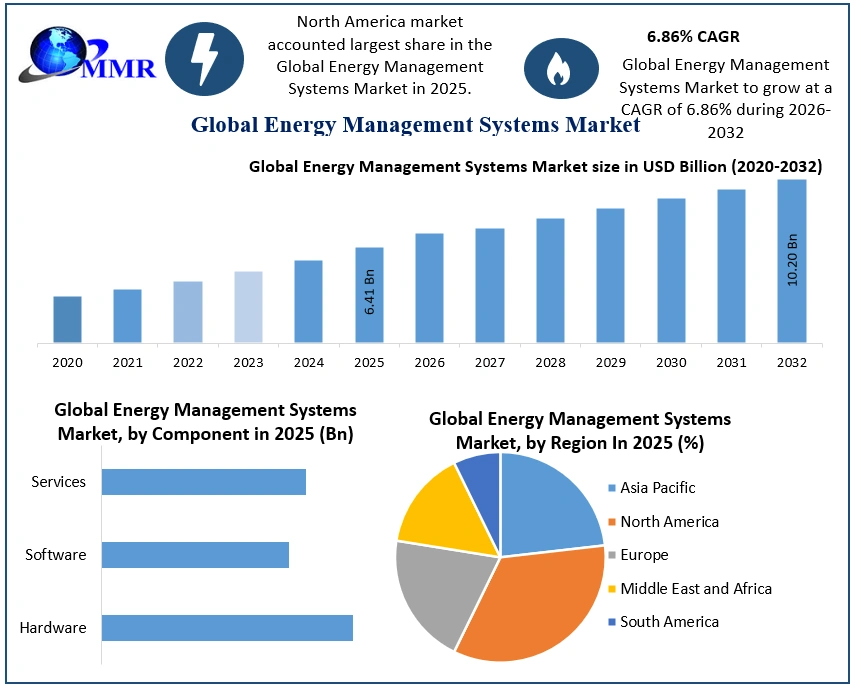
Market Overview The Energy Management Systems Market is entering a period of sustained expansion as industries, commercial buildings, utilities, and households increasingly adopt digital technologies to monitor, control, and optimize energy consumption. According to the latest report published by Maximize Market Research, the global Energy Management System Market was valued at USD...
Cosmetic botanical extracts are natural ingredients derived from plants—including herbs, flowers, roots, and seeds—that are used in skincare, haircare, makeup, and fragrance products. These extracts offer a range of benefits, from anti-aging and moisturizing to soothing and brightening, making them highly sought after by formulators and consumers alike. The market for botanical...
Market OverviewEnvironmental safety is becoming an increasingly critical concern in Italy, significantly influencing the solid phase extraction market. As regulations surrounding environmental protection tighten, industries are required to adopt sustainable practices and reliable analytical methods for monitoring contaminants. Solid phase extraction offers a more environmentally friendly...
Market Overview The extracellular matrix (ECM) patches market is expanding as regenerative medicine increasingly relies on biological scaffolds to support tissue repair across cardiac, wound care, and soft tissue applications. Derived from decellularized animal or human tissue, these patches provide structural support that promotes native cell infiltration and healing. The Extracellular Matrix...