


dermatitis herpetiformis treatment Market: Dapsone Therapeutics, Gluten-Free Dietary Management, and Targeted Biologics Driving Growth
Rising global prevalence of celiac disease, expanding clinical awareness regarding autoimmune cutaneous manifestations, and continuous advancements in targeted dermatological therapeutics are driving growth across the global dermatitis herpetiformis treatment Market. Dermatitis Herpetiformis (DH)—a severe, chronic autoimmune blistering skin condition characterized by intensely itchy, burning papulovesicular lesions—represents the specific cutaneous manifestation of celiac disease. Dermatology specialty clinics, gastroenterology centers, and hospital outpatient departments depend on oral dapsone therapy, potent topical corticosteroids, second-line immunosuppressants, and strict lifelong gluten-free diets to achieve rapid symptomatic skin clearance and heal underlying small intestinal mucosal damage.
In addition, oral dapsone remains the dominant pharmacological therapy due to its rapid anti-inflammatory efficacy, clearing skin burning and fresh blistering within 24 to 48 hours of administration. However, managing dapsone requires strict clinical oversight, including baseline glucose-6-phosphate dehydrogenase (G6PD) enzyme testing and continuous complete blood count (CBC) monitoring to prevent drug-induced hemolytic anemia and methemoglobinemia.
Beyond oral systemic medications, modern patient management emphasizes integrated gluten-free dietary compliance supported by novel digestive enzyme supplements. Specialized oral endopeptidases break down trace dietary gluten peptides in the stomach, reducing accidental gluten exposure risks for sensitive DH patients maintaining strict diets.
Furthermore, emerging biopharmaceutical R&D focuses on targeted monoclonal antibodies targeting tissue transglutaminase 3 (tTG3) IgA autoantibodies and interleukin-17 (IL-17) inflammatory pathways. Novel biologics aim to provide systemic immune control without requiring toxic daily anti-microbial drugs.
High-potency dapsone therapeutics and comprehensive dietary management systems deliver essential care to resolve painful cutaneous autoimmune flares and protect gastrointestinal health.
Will targeted anti-tTG3 biologics replace oral dapsone as the primary first-line pharmacological treatment for dermatitis herpetiformis by 2035?
People Also Ask What is the primary underlying autoimmune cause of Dermatitis Herpetiformis? Dermatitis Herpetiformis is triggered by gluten ingestion in genetically susceptible individuals, leading to IgA autoantibody formation against tissue transglutaminase 3 (tTG3) that deposits in dermal papillae.
Why is G6PD enzyme screening mandatory before starting oral dapsone therapy? Dapsone induces oxidative stress in red blood cells; patients with G6PD deficiency are at high risk of developing severe hemolytic anemia if prescribed dapsone.
#dermatitisherpetiformistreatmentMarket #Dermatology #AutoimmuneCare #GlutenFree #WiseGuyReports
Categorías
Read More
North America holds a dominant position in the global pulmonary arterial hypertension (PAH) market, commanding a 44.5% share in 2025. The region's leadership is built on advanced healthcare infrastructure, expert-centre density, and favorable reimbursement policies. Understanding the factors behind this dominance provides valuable insights into the dynamics shaping the Pulmonary Arterial...

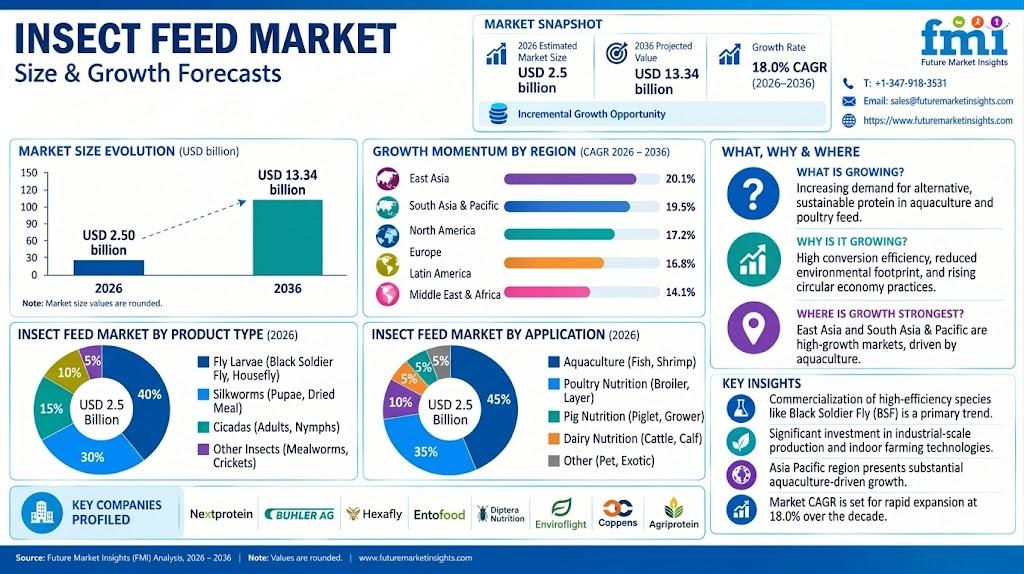
NEWARK, Del., October 14, 2026 — According to the latest market intelligence report published by Future Market Insights (FMI), the global Insect Feed Market is valued at approximately USD 2.5 billion in 2026, up from USD 2.16 billion in 2025, and is projected to reach USD 13.34 billion by 2036, expanding at a compound annual growth rate (CAGR) of 18.0% over the forecast period. Growth is...
For years, oxygen therapy meant tanks — heavy, inconvenient, and limiting. Portable oxygen concentrators have changed that. These battery-powered devices extract oxygen from the air, delivering it continuously or on demand. They are lightweight, quiet, and FAA-approved for air travel. For patients who want to stay active, they are a game-changer. Portable concentrators are driving growth...
The Neuroendocrine Tumors Treatment Market is expanding as oncology centers, pharmaceutical companies, hospitals, and research institutions develop more specialized approaches for rare and complex neuroendocrine tumors. These tumors can develop in the gastrointestinal tract, pancreas, lungs, and other organs, often requiring individualized diagnosis, monitoring, and treatment strategies. The...
A market at the center of one of the most dynamic areas of pharmaceutical innovation should be growing faster than current trends suggest. The nucleic acid therapeutics CDMO market faces structural constraints that limit its potential, and understanding them is essential for stakeholders navigating the Nucleic Acid Therapeutics CDMO Market. Capacity Constraints and Specialized Expertise The...