


Hemostatic Analyzer Market: Viscoelastic Testing, Point-of-Care Coagulation, and Surgical Bleeding Management Driving Growth
Surging global volumes of complex surgical procedures, expanding clinical adoption of Viscoelastic Hemostatic Assays (VHA), and rising demand for rapid point-of-care coagulation screening are driving robust expansion across the global Hemostatic Analyzer Market. Hemostatic analyzers—comprising automated central laboratory coagulation systems and point-of-care thromboelastography (TEG) or rotational thromboelastometry (ROTEM) devices—quantify blood clot formation, clot strength, and fibrinolysis kinetics. Hospital pathology laboratories, cardiac surgery operating rooms, trauma resuscitation bays, and intensive care units rely on hemostatic analyzers to guide targeted blood component transfusion, diagnose bleeding disorders, and monitor anticoagulant therapies.
In addition, integrating optical, mechanical, and acoustic detection technologies into fully automated hemostatic analyzers accelerates diagnostic testing turnaround times. High-throughput central lab analyzers execute prothrombin time (PT), activated partial thromboplastin time (aPTT), fibrinogen levels, and D-dimer assays simultaneously, delivering precise clotting metrics within minutes.
Beyond routine central lab testing, modern emergency bleeding management relies heavily on point-of-care viscoelastic testing platforms. Cartridge-based TEG and ROTEM analyzers evaluate real-time whole blood viscoelastic properties, displaying graphic clot formation curves that enable trauma teams to differentiate hyper-fibrinolysis from platelet dysfunction immediately at the bedside.
Furthermore, cloud-connected coagulation management software synchronizes analyzer output with hospital electronic health record systems, enabling remote transfusion medicine specialists to interpret real-time clotting curves and advise surgical teams remotely.
High-precision hemostatic analyzers provide essential coagulation monitoring infrastructure to reduce unnecessary blood product transfusions, optimize trauma resuscitation, and safeguard surgical care.
Will cartridge-based point-of-care viscoelastic analyzers replace central lab manual coagulation testing across all trauma emergency suites by 2035?
People Also Ask What is the primary operational difference between routine coagulation tests (PT/aPTT) and viscoelastic testing (TEG/ROTEM)? Routine PT/aPTT tests measure plasma clotting speed in a test tube, whereas viscoelastic TEG/ROTEM tests evaluate whole blood clot formation speed, structural clot strength, and fibrinolysis dynamically in real time.
How do point-of-care hemostatic analyzers assist in targeted blood transfusion protocols? Point-of-care analyzers identify exact clotting deficiencies (such as low fibrinogen or low platelets) bedside, allowing clinicians to administer specific blood components rather than indiscriminate whole blood.
#HemostaticAnalyzerMarket #CoagulationTesting #ViscoelasticTesting #TraumaCare #WiseGuyReports
Categorie
Leggi tutto
Mince Pies Market as Seasonal Demand and Premium Pastry Variants Extend Festive Consumption The global Mince Pies Market is projected to grow from USD 434.6 million in 2026 to USD 1,245.2 million by 2036, advancing at an 11.1% CAGR during the forecast period, according to the latest research from Future Market Insights (FMI). The market is supported by continued consumer demand for traditional...

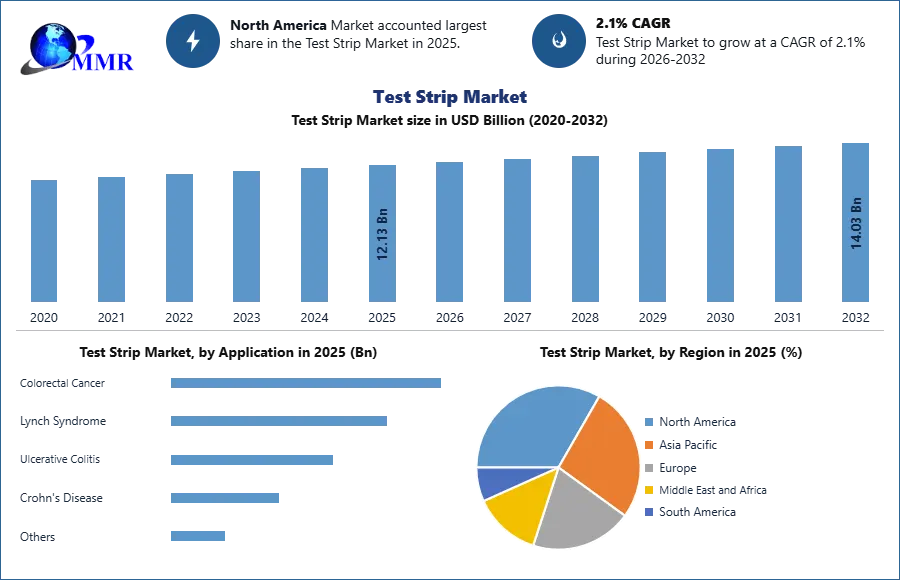
Market Overview The Test Strip Market is witnessing steady growth, supported by the increasing prevalence of diabetes, rising demand for home-based diagnostic solutions, and growing awareness of preventive healthcare. Test strips play an essential role in modern healthcare by enabling rapid and convenient testing of blood glucose levels, urine composition, pregnancy, and other...
North America holds the largest share of the global respiratory inhaler device market, and this leadership position is expected to persist through the forecast period. With a valuation of USD 18 billion in 2024, the region is projected to reach USD 22.6 billion by 2032 . Understanding the factors behind this dominance provides valuable insights into the dynamics shaping the Respiratory Inhaler...

Advancements in molecular genetics and targeted biological therapies are transforming the treatment landscape for rare genetic tumor syndromes. Detailed analysis within the Neurofibromatoses Type Ii Therapecutics Market report demonstrates that NF2 (neurofibromatosis type 2, characterized by NF2-related schwannomatosis) results from loss-of-function mutations in the merlin tumor suppressor...
Expanding biomedical research, regenerative medicine applications, and serum-free media optimization are driving steady growth across the global Insulin Like Factor Ii Market. Insulin-like growth factor II (IGF-II) is a critical peptide hormone that regulates cellular proliferation, growth, and differentiation during embryonic development, while also playing an active role in adult metabolic...