


Blowout Preventer Industry Targets $10.2B by 2035

The blowout preventer industry serves as the last line of defense in drilling operations, providing the critical well control barrier that prevents uncontrolled releases of oil, gas, and drilling fluids. According to Market Research Future, the Blowout Preventer Industry was estimated at USD 7.119 billion in 2024 and is projected to reach USD 10.2 billion by 2035, expanding at a compound annual growth rate of 3.32% during the 2025 to 2035 forecast period. That growth reflects a sector shaped by increasingly stringent safety regulations, rising exploration in challenging deepwater environments, and technological innovation that is steadily improving equipment reliability and monitoring capability.
Key Statistics Defining the Industry
The headline figures frame an industry moving from USD 7.355 billion in 2025 toward USD 10.2 billion by 2035. Historical data spans 2019 through 2024, with the base year set at 2024 and the forecast period running from 2025 to 2035.
Segment-level data reveals where value concentrates. Ram blowout preventers hold the largest type share, with valuations ranging from USD 3.0 billion to USD 4.0 billion. Annular blowout preventers represent USD 2.5 billion to USD 3.5 billion, and hybrid blowout preventers represent USD 1.619 billion to USD 2.7 billion. On application, onshore drilling represents USD 3.0 billion to USD 4.0 billion, offshore drilling represents USD 2.5 billion to USD 3.5 billion, and well testing represents USD 1.619 billion to USD 2.7 billion. On end use, the oil and gas industry dominates at USD 4.5 billion to USD 6.5 billion, geothermal represents USD 1.2 billion to USD 1.8 billion, and mining represents USD 1.419 billion to USD 1.9 billion. On control mechanism, electronic control represents USD 3.119 billion to USD 4.7 billion, hydraulic control represents USD 2.5 billion to USD 3.5 billion, and manual control represents USD 1.5 billion to USD 2.0 billion.
Regional distribution shows North America holding dominance with a valuation of USD 3.08 billion in 2023, expected to increase to USD 4.12 billion by 2032. Europe follows, valued at USD 1.71 billion in 2023 and anticipated to reach USD 2.22 billion in 2032. Asia-Pacific holds USD 1.55 billion in 2023, expected to rise to USD 2.0 billion. South America is valued at USD 0.85 billion in 2023, projected to grow to USD 1.1 billion by 2032. The Middle East and Africa holds USD 0.7 billion in 2023, with growth to USD 0.81 billion.
Industry Trends Reshaping the Landscape
Three structural trends define the industry's evolution. The first is technological advancement. Manufacturers are integrating automation and digital monitoring systems into blowout preventers, which may lead to improved operational reliability and reduced human error. The introduction of smart blowout preventers, equipped with sensors and data analytics capabilities, is expected to enhance operational efficiency and safety.
The second trend is regulatory compliance. As safety regulations become more stringent, companies are investing in advanced blowout preventers that meet or exceed regulatory standards, indicating a proactive approach to risk management. Stricter regulations aimed at preventing blowouts and ensuring environmental protection are compelling operators to upgrade their systems.
The third trend is geopolitical influence. As nations seek to bolster energy independence, there is likely to be an increase in exploration activities, which could drive demand for blowout preventers. This trend underscores the interconnectedness of global energy policies and the equipment needed to support them.
Challenges Facing the Industry
Capital intensity in manufacturing affects the ability of suppliers to scale production rapidly. Technical complexity in equipment design requires specialized engineering capability and skilled personnel. Regulatory variation across jurisdictions creates compliance complexity for manufacturers serving multiple markets. Competition from alternative well control technologies influences adoption in some segments.
Future Outlook and Technology Adoption
The forward trajectory points toward continued growth supported by rising exploration activities in challenging environments. Deepwater and ultra-deepwater drilling poses significant risks, necessitating the use of advanced blowout preventers to ensure operational safety. Market analysts project that the segment for deepwater blowout preventers will grow at a CAGR of 10% over the next five years.
Technological development focuses on development of advanced remote monitoring systems, integration of AI for predictive maintenance and operational efficiency, and enhanced materials that improve performance and reduce failure rates. Investments in research and development are projected to increase by 15% annually as operators seek to optimize drilling operations.
Expert Discussion
Analysts contributing to the assessment emphasize that competitive dynamics are shaped by innovation and safety performance. Schlumberger has established itself as a leader through commitment to innovation and technology, with an extensive portfolio of blowout preventer solutions showcasing a strong emphasis on safety and operational efficiency. The company's global presence enables it to respond effectively to various regional demands, and its adeptness in leveraging data analytics enhances operational insights. Halliburton plays a significant role with focus on delivering innovative technologies and services, with a comprehensive range of blowout preventers designed to accommodate various drilling environments and robust research and development initiatives.
Experts also highlight significant recent developments. National Oilwell Varco secured a multi-year contract in Q2 2024 to supply blowout preventer systems for a new deepwater drilling campaign offshore Guyana. Baker Hughes launched a next-generation blowout preventer with advanced digital monitoring in Q1 2024, featuring real-time digital monitoring and predictive maintenance capabilities. Schlumberger announced a partnership with Petrobras in Q3 2024 to deploy advanced subsea BOP systems in Brazil's pre-salt fields. Halliburton opened a new blowout preventer manufacturing facility in Singapore in Q2 2024. Weatherford completed the acquisition of WellGuard in Q3 2024 to strengthen its digital well control offerings. Aker Solutions announced a partnership with Saudi Aramco in Q3 2025 to localize blowout preventer manufacturing and technology development in Saudi Arabia.
Conclusion
The blowout preventer industry reflects a sector with stable growth fundamentals. Current momentum rests on ram blowout preventers' reliability and oil and gas industry dominance. Emerging opportunities lie in remote monitoring systems, AI-enabled predictive maintenance, and geothermal applications. Technological developments in digital monitoring and automated controls are steadily improving operational safety and economics. The long-term outlook anticipates the Blowout Preventer Market reaching USD 10.2 billion by 2035, with growth supported by safety regulations, deepwater exploration, and continued technology integration worldwide.
Discover emerging opportunities with in-depth research reports:
US Oilfield Equipment Rental Services Market
US Outage Management System Market
US Portable Solar Charger Market
US Solar Hybrid Inverter Market
US Solar Street Lighting Market
Categorias
Leia Mais
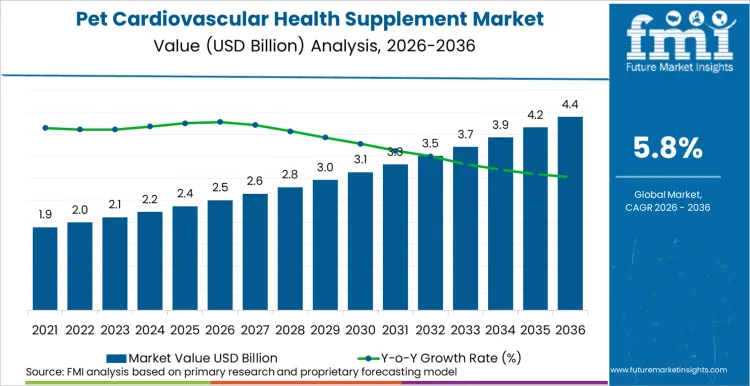
Pet Cardiovascular Health Supplement Market Outlook NEWARK, Del., October 8, 2026. — The global pet cardiovascular health supplement market is estimated at USD 2.5 billion in 2026 and is projected to reach USD 4.4 billion by 2036, expanding at a CAGR of 5.8% from 2026 to 2036, according to Future Market Insights (FMI). The market is being shaped by growing awareness of preventive...
A carport that shields a vehicle while generating electricity for the home represents a practical fusion of shelter and sustainability, and the addition of EV charging capability is making it more compelling still. According to WiseGuyReports, the global residential solar carport market was valued at USD 1.47 billion in 2025 and is projected to reach USD 5 billion by 2035, growing at a compound...

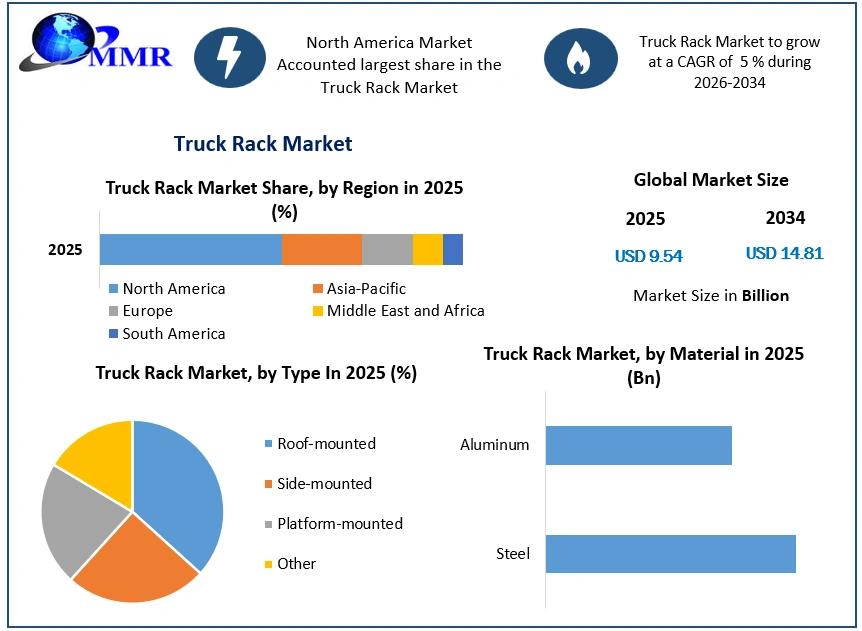
Market Overview The Truck Rack Market is witnessing steady growth as demand increases for efficient cargo transportation, commercial vehicle accessories, fleet optimization, and versatile pickup truck storage solutions. According to Maximize Market Research, the global truck rack market was valued at approximately USD 9.54 billion in 2025 and is projected to reach USD 14.81 billion by...
Heightened regulatory scrutiny and updated quality control mandates are transforming manufacturing protocols across the domestic pharmaceutical landscape. Detailed analysis within the India Cough Syrup Market report indicates that regulatory bodies like the Central Drugs Standard Control Organization (CDSCO) are enforcing rigorous testing standards for all export-bound and domestic cough...
The flexible lithium-ion energy storage segment covers batteries that can bend, conform, and be embedded into curved or irregular product geometries without compromising electrical performance, and it is the application category where thin film technology's form factor advantage is most decisive. Analysis presented by Market Research Future values the thin film lithium ion battery market at...