


Is PRP Hair Treatment in Riyadh Suitable for Different Hair Loss Types?
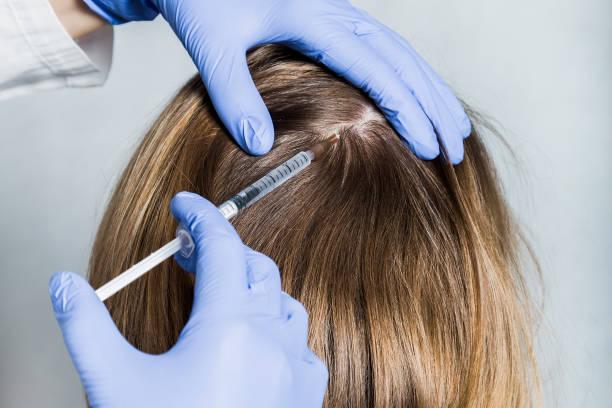
Hair loss is a common concern among men and women, affecting confidence, appearance, and overall well-being. Although hair thinning can develop gradually, understanding its underlying cause is essential for choosing an appropriate treatment. Among the available non-surgical approaches, platelet-rich plasma therapy has gained attention for its potential to support natural hair growth.
PRP Hair Treatment in Riyadh is increasingly explored by individuals experiencing thinning hair, reduced density, or early signs of hair loss. However, PRP therapy is not equally suitable for every hair loss condition. Its effectiveness depends on factors such as the cause of hair loss, the condition of the scalp, the availability of healthy hair follicles, and individual treatment goals.
Understanding how PRP works and which hair loss types may respond can help individuals make informed decisions about their hair restoration journey.
Understanding PRP Hair Treatment
Platelet-rich plasma, commonly known as PRP, is a treatment that uses components obtained from a person's own blood. Platelets contain growth factors involved in the body's natural healing and tissue repair processes. In hair restoration, PRP is used to support the scalp environment and potentially encourage healthier hair growth.
How PRP Therapy Works
The treatment typically begins with a small blood sample collected from the patient. The sample is processed using a centrifuge to separate platelet-rich plasma from other blood components. The concentrated plasma is then carefully injected into selected areas of the scalp.
The growth factors in PRP may help support hair follicle activity and improve the environment surrounding existing follicles. Researchers continue to investigate the exact mechanisms through which PRP influences hair growth.
Why PRP Is Considered a Hair Restoration Option
PRP is often considered by people seeking a minimally invasive approach to hair thinning. Unlike hair transplantation, it does not involve surgically relocating hair follicles.
The procedure generally requires limited downtime, although temporary redness, tenderness, or swelling may occur. Treatment outcomes vary, and PRP should not be considered a guaranteed solution for hair loss.
Is PRP Suitable for Different Hair Loss Types?
PRP therapy may be beneficial for certain hair loss conditions, particularly when hair follicles remain present and capable of producing hair. However, the underlying diagnosis plays an important role in determining suitability.
Androgenetic Alopecia
Androgenetic alopecia, commonly called male-pattern or female-pattern hair loss, is one of the most frequently studied conditions in PRP research.
This condition is associated with genetic and hormonal factors that gradually cause hair follicles to become smaller. As follicles shrink, hair may become thinner and shorter over time.
PRP may help support hair density and improve the appearance of thinning in some individuals with androgenetic alopecia. However, it does not eliminate the genetic or hormonal factors responsible for the condition.
People experiencing early or moderate hair thinning may be more likely to benefit than those with extensive follicular loss.
Hair Loss Associated With Stress
Stress-related hair loss, particularly telogen effluvium, occurs when a larger-than-normal number of hair follicles enter the resting phase of the hair growth cycle.
This condition may develop after significant emotional stress, illness, surgery, nutritional changes, or other physical challenges.
Many cases of telogen effluvium improve after the underlying trigger is addressed. PRP is not usually the first treatment considered for this condition, particularly when hair loss is temporary.
A dermatologist should identify the underlying cause before recommending any hair restoration procedure.
Alopecia Areata
Alopecia areata is an autoimmune condition in which the immune system attacks hair follicles, leading to patchy hair loss.
PRP has been explored as a potential treatment in some studies, but the evidence remains limited and inconsistent. Established medical treatments are generally considered more appropriate depending on the severity and pattern of the condition.
Individuals with alopecia areata should receive a proper dermatological assessment before considering PRP therapy.
Hair Loss Due to Nutritional Deficiencies
Hair thinning can sometimes be associated with deficiencies in iron, vitamin D, protein, or other nutrients.
In these situations, addressing the nutritional deficiency is essential. PRP cannot replace the nutrients required for healthy hair growth.
A healthcare professional may recommend blood tests or dietary evaluation to identify potential deficiencies. Correcting the underlying issue may help improve hair growth without requiring additional procedures.
Hair Loss From Scarring Conditions
Scarring alopecia involves damage to hair follicles that may result in permanent hair loss. Once follicles are destroyed and replaced by scar tissue, natural hair growth becomes difficult or impossible in those areas.
PRP generally cannot restore follicles that have been permanently damaged.
People experiencing suspected scarring alopecia require specialist evaluation because early diagnosis and treatment may help prevent further follicular damage.
Who May Benefit Most From PRP Hair Treatment in Riyadh?
PRP therapy may be considered for individuals with early or moderate hair thinning who still have functioning hair follicles.
Individuals With Early Hair Thinning
People noticing a widening part, reduced hair density, or gradual thinning may consider PRP after receiving a proper diagnosis.
At this stage, follicles may still be active, making hair restoration approaches more relevant.
Individuals Seeking Non-Surgical Hair Restoration
PRP may appeal to people who prefer a treatment that does not involve surgery or hair transplantation.
However, minimally invasive treatment does not automatically mean it is suitable for everyone. A medical assessment is still necessary.
Individuals With Realistic Treatment Expectations
PRP may help improve hair thickness or density in selected patients, but it cannot guarantee complete hair restoration.
Individuals should understand that results vary depending on their hair loss pattern, follicular health, and response to treatment.
What Happens During PRP Hair Treatment?
Understanding the treatment process can help individuals feel more comfortable when exploring hair restoration options.
Initial Consultation
The process usually begins with a consultation to evaluate hair loss patterns, scalp condition, medical history, and possible contributing factors.
A specialist may recommend additional investigations if the hair loss appears related to a medical condition or nutritional deficiency.
Blood Collection and Preparation
A small blood sample is collected and processed to separate platelet-rich plasma.
The preparation method may differ depending on the equipment and treatment protocol used.
PRP Application
The prepared plasma is injected into selected areas of the scalp. The procedure may involve mild discomfort, depending on individual sensitivity.
Treatment duration varies according to the size of the area being treated and the protocol followed.
Aftercare and Follow-Up
Patients may experience temporary tenderness or redness following the procedure.
Aftercare instructions may include avoiding strenuous exercise for a short period and following recommendations regarding scalp washing or hair products.
Follow-up appointments help assess progress and determine whether additional sessions are appropriate.
What Results Can Patients Expect?
Results from PRP therapy develop gradually rather than immediately.
Some individuals may notice reduced hair shedding or improvements in hair thickness over several months. Others may experience limited improvement or no noticeable change.
Hair growth occurs in cycles, which means evaluating treatment outcomes requires time and patience.
Factors That Influence Results
Several factors can affect treatment outcomes, including the type of hair loss, the severity of thinning, age, general health, and the condition of existing follicles.
The quality of PRP preparation, treatment protocol, and consistency of follow-up may also influence results.
PRP is sometimes combined with other hair loss treatments when medically appropriate. Any combination should be determined by a qualified healthcare professional.
Potential Risks and Limitations of PRP Therapy
Although PRP uses components from the patient's own blood, the procedure is not entirely risk-free.
Temporary discomfort, swelling, redness, bruising, and tenderness may occur around injection sites. Infection is uncommon but remains a possible complication when injections are performed.
PRP may also be unsuitable for people with certain blood disorders, platelet abnormalities, active scalp infections, or other medical conditions.
A comprehensive medical assessment helps identify potential contraindications and determine whether alternative treatments may be more appropriate.
Conclusion
PRP therapy may offer a promising option for selected individuals experiencing hair thinning, particularly those with androgenetic alopecia and functioning hair follicles. However, its suitability depends on the underlying cause of hair loss, the condition of the scalp, and individual treatment expectations. Conditions such as nutritional deficiencies, autoimmune hair loss, temporary shedding, and scarring alopecia may require different approaches.
PRP Hair Treatment in Riyadh should always begin with an appropriate medical evaluation to determine whether the procedure is suitable and what results may realistically be expected. Individuals exploring PRP Hair Treatment in Saudi Arabia can seek professional guidance to understand available options, potential benefits, and limitations. Enfield Royal Clinic Saudi may be considered as a source of information about hair restoration services and consultation options.
Frequently Asked Questions
1. Is PRP Hair Treatment in Riyadh suitable for all types of hair loss?
No. PRP may be more suitable for certain conditions, such as androgenetic alopecia, while other causes of hair loss may require different treatments. A specialist should identify the underlying condition first.
2. Can PRP treatment help with male-pattern baldness?
PRP may help improve hair density or thickness in some individuals with male-pattern baldness, particularly during earlier stages. However, it cannot guarantee complete hair restoration.
3. Does PRP Hair Treatment in Saudi Arabia help with female hair thinning?
PRP may be considered for women experiencing certain types of hair thinning, including female-pattern hair loss. Suitability depends on the cause and severity of the condition.
4. How long does it take to see results from PRP hair therapy?
Results typically develop gradually over several months. Individual responses vary, and some patients may experience limited improvement.
5. Can PRP restore hair in completely bald areas?
PRP is generally less effective in areas where hair follicles have been permanently destroyed. It may support existing follicles but cannot reliably regenerate follicles lost through scarring.
6. Is PRP Hair Treatment in Riyadh safe?
PRP is generally considered well-tolerated when performed by qualified professionals using appropriate medical procedures. Temporary discomfort, redness, or swelling may occur, and a consultation is necessary to assess individual risks.
Категории
Больше
Sleep bruxism — the involuntary grinding or clenching of teeth during sleep — is one of the most common yet underdiagnosed sleep-related disorders. In the Gulf Cooperation Council region, where stress, lifestyle factors, and high rates of sleep disorders converge, bruxism is becoming an increasingly recognised clinical concern. Left untreated, it can cause tooth wear, jaw pain,...

Traveling through a busy airport can be stressful, particularly when you have a tight schedule, heavy luggage, or an unfamiliar destination ahead. San Francisco International Airport serves travelers heading to the Bay Area for business, vacations, family visits, and special occasions. Once the flight arrives, finding dependable transportation becomes an important part of the journey....

Europe Pet Food Market Size to Reach USD 74.0 Billion by 2036 NEWARK, Del., November 6, 2026 — The Europe Pet Food Market is projected to reach USD 42.1 billion in 2026. According to Future Market Insights (FMI), the market is forecast to grow to USD 74.0 billion by 2036, expanding at a CAGR of 5.8% between 2026 and 2036. This represents an incremental market opportunity of USD 31.9...

The global Clinical Trial Management System Market is expanding as pharmaceutical companies, biotechnology firms, and contract research organizations seek more efficient ways to plan, track, and manage increasingly complex clinical studies. The market was valued at USD 2.86 billion in 2024 and is projected to reach USD 6.25 billion by 2032, growing at a CAGR of 10.29%. The Clinical Trial...
Detailed market valuations, frequency band classifications, and competitive supplier shares are systematically evaluated in the Waveguide Ferrite Circulator Market intelligence coverage, benchmarking non-reciprocal waveguide devices across aerospace, defense, telecommunications, and industrial physics domains. Waveguide ferrite circulators operate where planar coaxial, microstrip, or stripline...