


Rhinoplasty Recovery: A Week-by-Week Guide
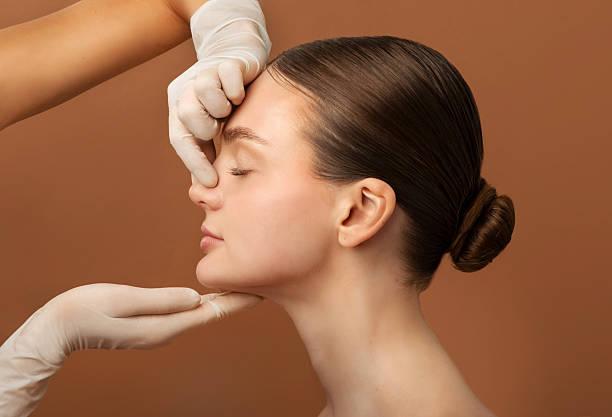
Rhinoplasty is a popular cosmetic procedure that reshapes the nose to improve facial balance, address structural concerns, or enhance breathing. While the surgery itself is an important step, recovery plays an equally significant role in achieving a satisfactory outcome. Understanding what happens during each stage of healing can help patients feel more prepared and confident throughout the process.
For individuals considering Rhinoplasty in Riyadh(تجميل الأنف في الرياض), knowing what to expect after surgery can make the recovery experience more comfortable and manageable. Although every patient heals differently, having a general week-by-week recovery guide helps you understand common changes, follow appropriate aftercare instructions, and recognize when to contact your healthcare provider.
What to Expect After Rhinoplasty Surgery?
Rhinoplasty recovery involves several stages as swelling gradually decreases and the nasal tissues begin to heal. Patients commonly experience swelling, bruising around the eyes, mild discomfort, and temporary nasal congestion during the initial days.
The recovery process requires patience because the nose continues changing even after the visible signs of surgery begin to disappear. Following your surgeon's instructions, attending follow-up appointments, and avoiding activities that could affect healing are essential parts of postoperative care.
Rhinoplasty Recovery: Week-by-Week Timeline
Week 1: Initial Healing and Swelling
The first week is generally the most sensitive stage of rhinoplasty recovery. Patients may experience swelling, bruising, nasal congestion, and mild discomfort. A protective nasal splint is often used to support the nose while the tissues begin healing.
Rest is particularly important during this period. Keeping your head elevated while sleeping can help manage swelling. Patients should avoid touching, pressing, or accidentally bumping their noses. Strenuous activities, heavy lifting, and unnecessary physical exertion should also be avoided.
Most patients have a follow-up appointment during this week, when the surgeon checks the healing progress and may remove the external splint according to the treatment plan.
Week 2: Bruising and Swelling Begin to Improve
During the second week, many patients notice a visible improvement in bruising and swelling. The face generally starts looking more natural, making everyday activities more comfortable.
Some residual swelling around the nose is completely normal. Patients may gradually return to light daily activities if their surgeon approves. However, strenuous exercise, contact sports, and activities that could put pressure on the nose should still be avoided.
Following proper cleaning and skincare instructions can also help maintain comfort during this stage.
Weeks 3–4: Returning to Daily Activities
By the third and fourth weeks, most noticeable bruising has usually faded, and the nose begins to look more refined. Patients often feel more comfortable returning to work, social activities, and other normal routines.
However, internal swelling may still be present, even when the nose appears significantly improved. Physical activities should be resumed gradually and only with medical approval.
Patients should continue protecting their noses from accidental impacts and avoid wearing glasses directly on the nasal bridge unless their surgeon confirms it is safe.
Weeks 5–6: Continued Healing and Refinement
During weeks five and six, the healing process continues, and swelling gradually becomes less noticeable. Many patients feel more confident about their appearance as the initial postoperative changes settle.
Light exercise may be permitted depending on individual recovery progress. However, activities involving physical contact or a risk of nasal injury should remain restricted until medical clearance is provided.
It is also important to remember that the nasal tip may remain swollen longer than other areas.
Months 2–3: Noticeable Changes in Nasal Shape
During the second and third months, the nose generally becomes more defined as deeper swelling continues to decrease. The overall appearance may look more balanced, although subtle changes can still occur.
Patients should maintain follow-up appointments to allow their surgeon to evaluate the healing process. Any unusual pain, increasing redness, or unexpected changes should be discussed with a healthcare professional.
Months 6–12: Final Results Gradually Develop
The final stage of rhinoplasty recovery can take several months. By six months, much of the swelling has usually improved, but small changes may continue.
For many patients, the nose takes approximately 12 months or sometimes longer to reach its final appearance, particularly around the nasal tip. Patience is essential because healing occurs gradually beneath the skin.
Important Tips for a Smooth Rhinoplasty Recovery
Follow Your Postoperative Instructions
Every patient has different healing needs. Following your surgeon's recommendations regarding medication, cleaning, sleeping positions, and follow-up visits can help support a safe recovery.
Avoid Pressure on Your Nose
Protecting the nose from accidental impacts is important during healing. Avoid rubbing, pressing, or manipulating the surgical area.
Maintain Healthy Daily Habits
Eating balanced meals, staying hydrated, and getting sufficient sleep can support your body's natural healing process. Avoid smoking and follow medical advice regarding alcohol consumption.
Be Patient With the Results
Do not judge your final appearance during the first few weeks. Swelling can temporarily affect nasal shape, and gradual refinement is a normal part of recovery.
Frequently Asked Questions
How long does rhinoplasty recovery take?
Initial recovery generally takes around one to two weeks, although swelling can continue for several months. Final results may take approximately 12 months or longer to develop.
When can I return to work after rhinoplasty?
Many patients return to work within one to two weeks, depending on their comfort, recovery progress, and the nature of their job.
Is swelling normal after rhinoplasty?
Yes, swelling is a normal part of healing. It usually decreases gradually, although some swelling, particularly around the nasal tip, may remain for several months.
When can I exercise after rhinoplasty?
Light activities may be resumed when approved by your surgeon. Strenuous exercise and contact sports generally require a longer recovery period to protect the healing nose.
When will I see my final rhinoplasty results?
Patients usually notice progressive improvements during the first few months. However, the final nasal shape can take approximately 12 months or longer to become fully visible.
Book Your Rhinoplasty Consultation at Enfield Royal Clinic
Understanding the recovery process is an important part of preparing for nose surgery. If you are considering rhinoplasty and want to learn more about the procedure, healing expectations, and appropriate aftercare, Enfield Royal Clinic(عيادة إنفيلد الملكية) can help you explore your treatment options. Schedule a consultation to discuss your aesthetic goals and receive guidance based on your individual needs.
Categorias
Leia Mais
Market Overview Novel GABA modulators are reducing dependence risk in the anxiolytic market by providing anxiolytic efficacy through allosteric modulation mechanisms that avoid benzodiazepine-associated tolerance, dependence, and withdrawal. These next-generation agents target specific GABA receptor subtypes responsible for anxiolysis while sparing those mediating dependence. The Anxiolytic...

Market Overview The blepharitis market is being shaped by novel therapies and future directions, including new anti-inflammatory agents, microbiome modulation, and advanced diagnostics. The market is projected to grow through 2030, driven by growing research and unmet needs. Ophthalmology clinics and research institutions are increasingly collaborating on clinical trials. Growing adoption of...
Walk into almost any pharmacy worldwide and you'll find quinolones — and in the vast majority of cases, they'll be generics. Ciprofloxacin, levofloxacin, ofloxacin, and moxifloxacin are produced by dozens of manufacturers across India, China, Europe, and the Americas. This generic dominance defines the economics of the quinolone market: high volumes, low prices, and intense competition,...
Real-time PCR, also known as quantitative PCR, is a molecular biology technique that amplifies and quantifies DNA in real time. It is one of the most powerful tools in diagnostics, used to detect infections, genetic disorders, and cancer. In China, qPCR is central to clinical testing, research, and public health. As demand for rapid, accurate diagnostics grows, the qPCR market is expanding....
The Oil filled transformers market is experiencing steady growth, driven by the accelerating modernization of electrical grids and the integration of renewable energy resources worldwide. According to Market Research Future, the market is positioned for sustained expansion as utilities and industrial operators invest heavily in upgrading aging infrastructure and enhancing grid reliability....