


AI Detector: A Complete Guide to AI Content Detection

Artificial intelligence has transformed the way people write, research, study, and communicate online. From creating blog posts to drafting academic assignments, AI can produce polished content in seconds. However, as it gets harder to identify text produced by AI, a crucial question has surfaced: Was this created by AI and was it penned by a human? To assist in answering that query, an ai detector was created.
What Is an AI Detector?
An AI detector is a software tool that analyzes written content and estimates whether it was created by a human writer, an artificial intelligence system, or a combination of both. Instead of simply searching for copied sentences, it examines patterns within the writing.
Depending on the technology, an AI detection tool may evaluate vocabulary, sentence structure, predictability, phrasing, and variations in writing style. It then produces a result, often in the form of a percentage or probability score.
The purpose is not necessarily to determine authorship with absolute certainty. Rather, AI detection provides an additional signal that can help people evaluate digital content more carefully.
How Does an AI Detector Work?
Examining Predictability
The degree of predictability in language was one element detector technologies must examine. AI language models estimate possible word sequences to produce text. As a result, some AI-written passages may contain highly predictable wording or consistently structured sentences.
These patterns of statistics might be studied with an AI detector during an article and compared to traits typically found in created text.
Analyzing Writing Patterns
Human writers naturally vary their writing. They may use short sentences, longer explanations, unusual expressions, personal observations, or unexpected word choices.
AI-generated content can sometimes display a more uniform style. Detection software may therefore look at sentence length, vocabulary distribution, repetition, and other linguistic characteristics when generating its assessment.
Considering the Entire Passage
Reliable AI detection should not depend on a single sentence or unusual word. Longer passages provide more information for analyzing writing patterns.
However, even advanced detection technology has limitations. Editing, paraphrasing, translation, and changes in writing style can affect the result.
Why Are AI Detection Tools Important?
Supporting Academic Integrity
When evaluating assignments and other written work, schools and colleges can apply Intelligence methods for detection. These tools can help educators identify submissions that may require additional examination.
Crucially, an AI detection score shouldn't always be interpreted as evidence of wrongdoing.Human review and additional context remain essential.
Improving Content Quality
Content creators, publishers, and SEO professionals can use an AI checker as part of their editing workflow. Reviewing content can encourage writers to add original perspectives, useful examples, accurate information, and a distinctive voice.
The goal should be valuable content—not simply achieving a particular detection score.
Helping Businesses Review Content
Businesses produce large amounts of written material, including marketing copy, reports, product descriptions, and customer communications. When businesses wish to know how their content was created, ai detector can offer an additional level of scrutiny.
AI Detector vs. Plagiarism Checker
A plagiarism search tool & an intelligent detective are quite different things.
The main goal of a plagiarism detector is to find similarities between submitted material and pre-existing sources. Instead, an AI detector determines whether the writing exhibits traits typical of AI-generated content.
For comprehensive content evaluation, both can be useful. One examines potential source duplication, while the other focuses on the likely characteristics of the writing process.
Are AI Detectors 100% Accurate?
No detection system can guarantee perfect accuracy.
Human-written content may occasionally receive an AI-generated classification, particularly when it uses formal or highly predictable language. Similarly, AI-generated text that has been extensively edited may become difficult to identify.
This is why detection results should be interpreted carefully. A score is best viewed as an indicator rather than definitive evidence of who—or what—created the content.
How to Use an AI Detector Responsibly
For better results, analyze enough text to provide meaningful context and consider the detector's result alongside the quality and history of the writing. If necessary, compare drafts, review editing history, and evaluate whether the content reflects genuine research and original thinking.
Writers should also avoid changing perfectly good content simply to manipulate an AI score. Clear communication, factual accuracy, originality, and reader value should remain the priorities.
Conclusion
An AI detector can be a useful technology in a digital environment where artificial intelligence plays an increasingly important role in content creation. It can support educators, publishers, businesses, and writers by providing insight into whether text displays patterns commonly associated with AI generation.
However, no tool should replace human judgment. The most effective approach combines AI detection with plagiarism checks, editorial review, fact-checking, and an understanding of the content's context. As artificial intelligence continues to evolve, responsible detection will become less about simply labeling text and more about maintaining transparency, originality, and trust in digital communication.
Read More Latest Articles: Clicking Here
Categorii
Citeste mai mult
The global Hot Dog Rolls Market is projected to grow from USD 529.8 million in 2026 to USD 1,477.4 million by 2036, advancing at a 10.8% CAGR during the forecast period, according to the latest research from Future Market Insights (FMI). The market is driven by recurring demand for standardized bread products across retail meal occasions and commercial foodservice. Retail multipacks and...

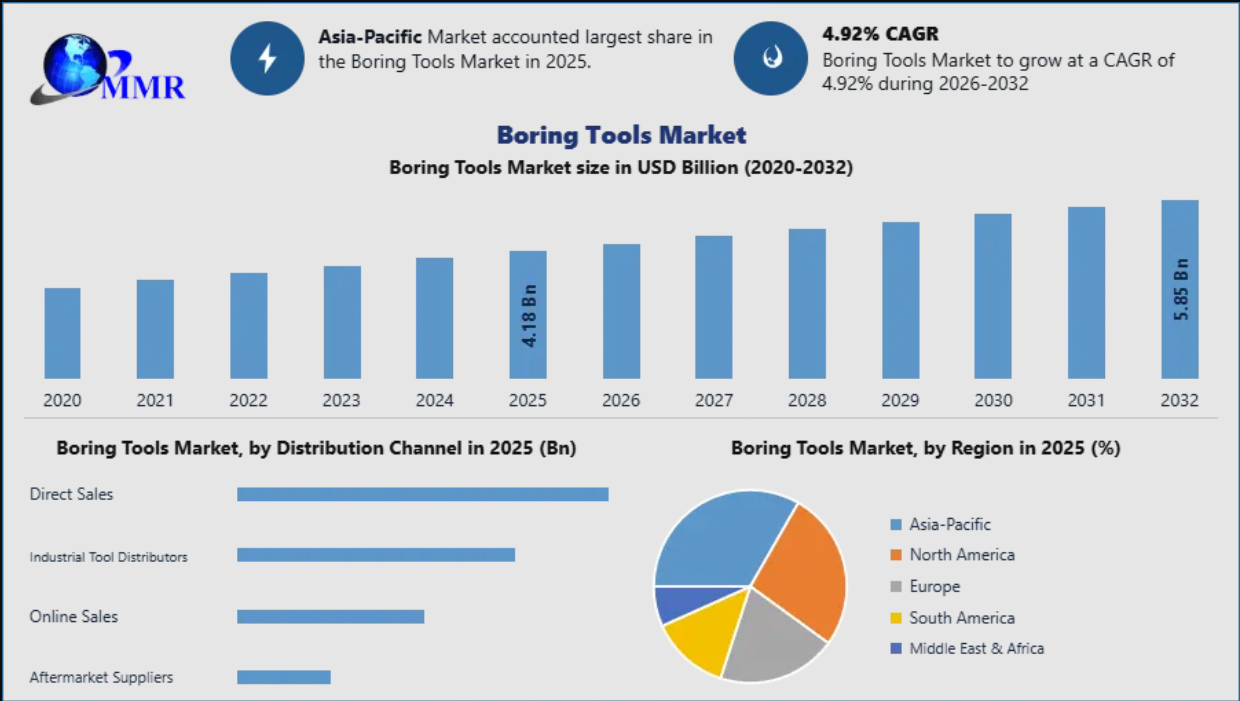
Boring Tools Market Overview The Boring Tools Market report provides an in-depth analysis that is required to make informed industry decisions and develop strategic growth plans. Regardless of the production method or cost structures, the Boring Tools market report provides a comprehensive understanding of advanced tactics and strategies. Boring...
Laboratory furniture in Spain is evolving, driven by technological advances, changing research needs, and sustainability considerations. The future promises more flexible, integrated, and sustainable furniture, supporting scientific work and improving laboratory environments. Understanding these trends helps manufacturers, designers, and laboratory managers anticipate what is coming. Modularity...

The Spain Organoids Market exhibits a dynamic competitive landscape characterized by rapid innovation, strategic collaborations, and technological integration among key players. The market is projected to grow from USD 51.89 million in 2025 to USD 430 million by 2035, registering a CAGR of 23.55% during the forecast period. This growth trajectory reflects the collective efforts of major...
The China Sleep Testing Services Market is undergoing a profound technological transformation, with wearable devices, AI-driven analytics, and telehealth platforms reshaping how sleep disorders are diagnosed and monitored. The market was valued at USD 2,515.53 Million in 2025 and is projected to reach USD 7,426.94 Million by 2035, at a CAGR of 11.43% — growth driven substantially by...