


Cloud Supply Chain Management: Enhancing Visibility, Agility, and Collaboration
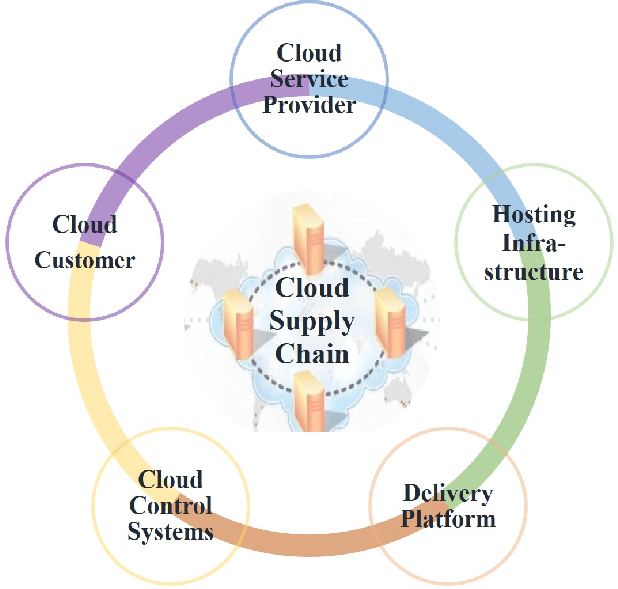
Cloud Supply Chain Management (Cloud SCM) refers to the use of cloud-based platforms and software to plan, execute, and monitor supply chain activities across procurement, production, logistics, and distribution. By leveraging cloud computing, organizations can access real-time data, integrate multiple stakeholders, and scale operations efficiently without relying on heavy on-premise infrastructure. This approach has become increasingly important as global supply chains grow more complex and demand faster, more flexible decision-making.
One of the core advantages of cloud supply chain management is enhanced visibility across the entire supply chain. Cloud platforms centralize data from suppliers, manufacturers, warehouses, and transportation partners into a single, accessible system. This enables businesses to track inventory levels, shipment status, and demand fluctuations in real time. Improved visibility helps organizations identify disruptions early, reduce delays, and make informed decisions that minimize risk and operational inefficiencies.
Agility is another critical benefit of cloud-based supply chain solutions. Traditional supply chain systems often struggle to adapt quickly to changes such as demand surges, supplier shortages, or geopolitical disruptions. Cloud SCM systems, however, are designed to be flexible and scalable. Businesses can quickly adjust workflows, add new partners, or expand into new markets without major system overhauls. This agility supports faster response times and allows organizations to remain competitive in dynamic market environments.
Collaboration across supply chain partners is significantly improved through cloud-based platforms. Cloud SCM enables seamless information sharing among suppliers, distributors, logistics providers, and internal teams. Features such as shared dashboards, automated alerts, and collaborative planning tools help align stakeholders around common goals. Better collaboration reduces communication gaps, improves forecasting accuracy, and strengthens long-term relationships within the supply chain ecosystem.
Cost efficiency is also a key driver for adopting cloud supply chain management. Cloud solutions typically operate on subscription-based models, reducing the need for large upfront investments in hardware and IT infrastructure. Maintenance, updates, and security are managed by service providers, lowering operational costs for businesses. Additionally, improved demand planning, optimized inventory management, and reduced waste contribute to overall cost savings and better resource utilization.
Advanced analytics and data-driven insights further enhance the value of cloud SCM. By integrating analytics, artificial intelligence, and machine learning capabilities, cloud platforms can analyze historical and real-time data to predict demand, optimize routes, and improve supplier performance. These insights support proactive decision-making and help organizations move from reactive supply chain management to predictive and strategic operations.
Cloud supply chain management is transforming how organizations manage and optimize their supply chains. By offering greater visibility, agility, collaboration, cost efficiency, and advanced analytics, cloud-based solutions enable businesses to navigate complexity and uncertainty more effectively. As digital transformation continues to accelerate, cloud SCM is expected to play a central role in building resilient, responsive, and future-ready supply chains across industries.
Κατηγορίες
Διαβάζω περισσότερα
Organizations worldwide are fundamentally reimagining their operations, customer experiences, and business models through comprehensive technology adoption. The Digital Transformation Market Size represents the massive investment enterprises make in modernizing infrastructure, processes, and capabilities for competitive advantage. Traditional business practices are being replaced by...

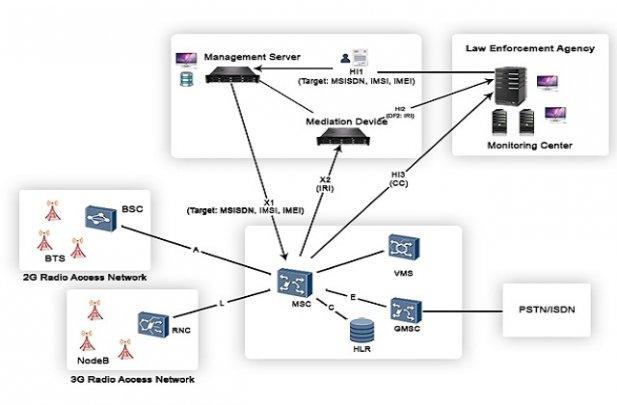
The Lawful Interception Market trends has become a strategic priority for governments and enterprises striving for secure and compliant communication systems. With cyber threats evolving rapidly, interception technologies are essential to protect sensitive data, enforce regulatory compliance, and maintain public safety. Integration with AI and cloud infrastructure has significantly...
The Iris Recognition Market is witnessing significant growth as organizations and governments increasingly adopt biometric authentication for enhanced security and identity verification. Iris recognition technology, known for its high accuracy and reliability, has become a preferred choice for access control, border security, and financial authentication. Globally, the rising concerns over data...

The Statistical Analytics Market has emerged as a foundational pillar in today’s data-driven economy, enabling organizations to transform raw information into actionable insights. As businesses across industries generate massive volumes of structured and unstructured data, statistical analytics provides the mathematical and logical framework required to interpret patterns, relationships,...
The Artificial Intelligence in Workspace Market is rapidly transforming how organizations operate, optimize processes, and enhance productivity. Businesses across industries are leveraging AI technologies to automate routine tasks, streamline workflows, and enable data-driven decision-making. This adoption is not just about replacing human effort but augmenting it, allowing employees to focus...