Single-Use Bronchoscope Market – Flexible and Video Devices Improve Diagnostic Efficiency
Market Overview
Flexible and video single-use bronchoscopes are improving visualization, maneuverability, and procedural efficiency across respiratory care. These devices enable clinicians to examine airways, collect samples, and perform selected treatments without relying exclusively on reusable equipment. Market Research Future projects growth from USD 2,048.89 million in 2024 to USD 4,739.46 million by 2035.marketresearchfuture
The Single Use Bronchoscope Market is supported by rising respiratory disease prevalence, increased demand for minimally invasive procedures, and stronger infection-control requirements. Flexible devices are widely used because they can move through narrow and branching airways. Video systems add digital visualization and may improve documentation, teaching, and collaboration.
Current Market Landscape
Flexible bronchoscopes support diagnostic examinations, biopsies, secretion management, and airway interventions. Their lightweight design and maneuverability make them suitable for different clinical settings, including intensive-care units, operating rooms, pulmonary laboratories, and emergency departments.
Video bronchoscopes use integrated cameras to provide real-time images on external monitors. High-quality visualization can help physicians identify abnormalities and guide instruments accurately. Recorded images may support medical documentation, multidisciplinary review, education, and quality improvement.
Hospitals are the largest end users because they perform a high volume of respiratory procedures and manage complex cases. Ambulatory surgical centers are expanding because some bronchoscopy procedures can be completed efficiently in outpatient settings. Specialty clinics are also adopting devices for targeted pulmonary care.
Emerging Trends
Improved image resolution is a central innovation area. Manufacturers are developing systems with enhanced color, contrast, depth perception, and low-light performance. These features may help clinicians identify subtle lesions and improve diagnostic confidence.
Instrument compatibility is also advancing. Single-use bronchoscopes may include working channels for biopsy forceps, brushes, suction, and other accessories. Better compatibility can expand therapeutic use beyond basic examination.
Training and simulation are becoming more important. Video devices can support teaching by allowing trainees to observe procedures remotely or review recordings. Digital platforms may also provide performance feedback.
Future Outlook
Flexible and video bronchoscopes should remain central to market growth. Adoption will depend on image quality, device reliability, cost, compatibility, physician training, and evidence demonstrating clinical and economic value.
Conclusion
Flexible and video systems are making bronchoscopy more accessible, visual, and efficient. Their continued development will support both diagnostic accuracy and minimally invasive respiratory treatment.
FAQ
Q1: Why are flexible bronchoscopes widely used?
A: Their maneuverability allows clinicians to navigate branching airways and perform a broad range of diagnostic and therapeutic procedures.
Q2: What advantages do video bronchoscopes provide?
A: They offer real-time external visualization, recording, teaching support, easier documentation, and improved team collaboration.
#FlexibleBronchoscope #VideoBronchoscopy #PulmonaryCare #DiagnosticImaging
Categorias
Leia Mais
Food Starch Market Wheat Leads Source Demand at 30.3% The global food starch market is forecast to increase from USD 41.8 billion in 2026 to USD 70.7 billion by 2036, expanding at a 5.4% CAGR during the 2026–2036 forecast period, according to Future Market Insights. The market stood at USD 39.7 billion in 2025. Demand is expanding as food manufacturers rely on starches for dependable...

The future of the China Companion Diagnostics Oncology Market will be defined by continued innovation, personalized medicine, and expanding applications across therapeutic monitoring, patient stratification, and predictive testing. The market is projected to grow from USD 368.05 million in 2025 to USD 750.12 million by 2035, registering a CAGR of 7.38% during the forecast period. This...

Lupus is a chronic autoimmune disease that can affect nearly any organ in the body, causing inflammation, pain, and organ damage. It disproportionately affects women, particularly those of childbearing age, and can significantly impact quality of life. In South America, lupus prevalence varies by country, but the disease represents a significant health burden, and access to diagnosis and...
Antibody-based medicines have become an important part of modern pharmaceutical development, but creating an effective therapeutic antibody involves more than identifying an antibody that binds to a desired target. Developers often need to optimize characteristics such as immunogenicity, binding affinity and functional activity before advancing a candidate. Antibody humanization and affinity...

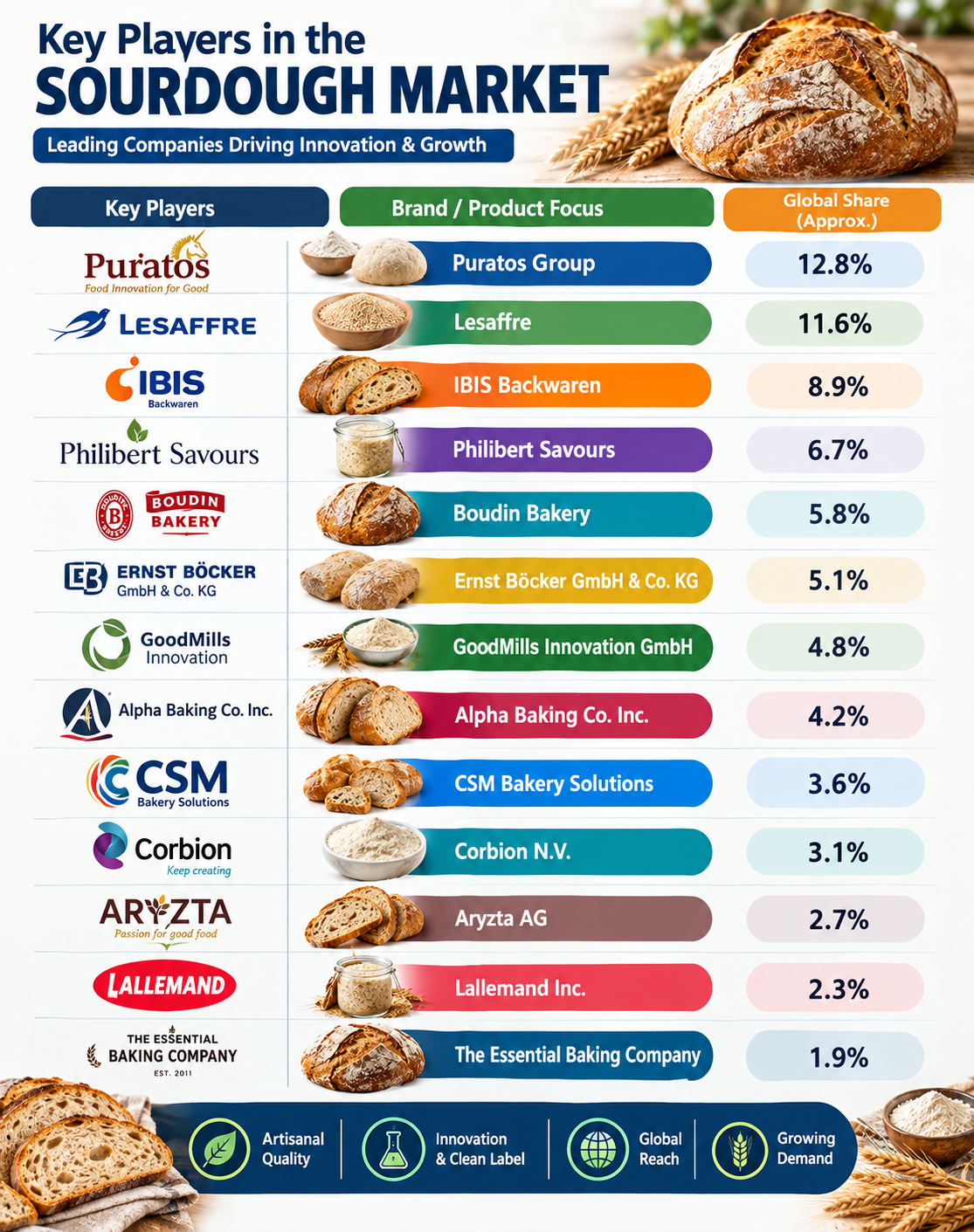
Sourdough Market to Reach USD 10.2 Billion by 2035 at 6.8% CAGR; Get free sample || Explore Full Market Study The global sourdough market is projected to expand from USD 5.9 billion in 2025 to USD 10.2 billion by 2035, registering a 6.8% CAGR during the forecast period. Traditional sourdough is expected to lead product demand with a 40.0% share, while organic sourdough is projected to account...