


Pulse Oximeters Market – Accuracy and Health Equity Becoming Key Procurement Priorities
Market Overview
Accuracy and health equity are becoming central priorities in the pulse oximeters market as regulators, hospitals, and manufacturers address performance variation across skin tones and clinical conditions. Pulse oximeters estimate oxygen saturation optically, and factors such as skin pigmentation, poor perfusion, motion, and nail polish can affect readings. The Pulse Oximeters Market is projected to grow from USD 3.00 billion in 2025 to USD 4.57 billion by 2035, at a 4.29% CAGR. Hospitals account for approximately 60% of market demand, but homecare is expanding rapidly as patients increasingly monitor health at home. Reliable, equitable performance is essential for both clinical and consumer use.
Current Market Landscape
Hospitals using pulse oximeters in emergency, surgical, intensive care, and general ward settings. Manufacturers improving sensor algorithms and motion tolerance. Regulatory agencies reviewing performance standards and labeling requirements. Clinical studies examining accuracy differences across skin pigmentation. Procurement teams adding validation data to supplier evaluation. Home users relying on fingertip oximeters for self-monitoring. Telehealth platforms incorporating oximetry readings into remote assessments. Emergency medical services using portable devices during pre-hospital care. Wearable companies facing scrutiny over consumer device accuracy. Clinical guidelines emphasizing confirmation of abnormal readings. Manufacturers investing in multi-wavelength and advanced signal-processing technology. Growing awareness of equitable diagnostic performance.
Emerging Trends
Manufacturers are developing multi-wavelength sensors and enhanced algorithms to reduce bias and improve performance across diverse patient populations. AI and signal-processing advances are helping address motion artifacts and low-perfusion states. Regulatory expectations are becoming more rigorous, particularly for devices used in clinical decision-making. Hospitals are increasingly requesting independent validation data and diverse-population performance evidence. Telehealth adoption is making home-device accuracy more consequential because clinicians may rely on remote readings. Wearable manufacturers are working to distinguish wellness tracking from medical-grade monitoring. Health equity is becoming both an ethical requirement and a competitive differentiator.
Future Outlook
Accuracy standards will likely become more stringent across hospital, home, and wearable pulse oximeters. Manufacturers that can demonstrate consistent performance across skin tones and clinical conditions will gain procurement advantage. Multi-wavelength and sensor-fusion technologies may become more common in premium devices. Home monitoring programs will require clearer guidance on when to seek clinical assessment. Emerging markets will prioritize affordable devices without compromising quality standards. By 2035, equitable accuracy is likely to be a core requirement for market access, reimbursement, and clinical trust.
Conclusion
Accuracy and health equity are reshaping procurement and innovation in the pulse oximeters market. As remote monitoring expands, reliable readings across all patient populations are essential for safe clinical decisions. Manufacturers that invest in inclusive validation and advanced sensor technology will be best positioned for long-term growth.
FAQ
Q1: Why is pulse oximeter accuracy important across skin tones?
A: Pulse oximeters use light absorption to estimate oxygen saturation, and darker skin pigmentation can affect optical signal interpretation. Inaccurate readings may delay recognition of hypoxemia. This can affect clinical decisions and patient safety. Manufacturers are improving sensors and algorithms to reduce such variation. Diverse clinical validation is essential for equitable care.
Q2: What should buyers consider when selecting pulse oximeters?
A: Buyers should review validated accuracy data, performance across skin tones, motion tolerance, and low-perfusion performance. They should also assess ease of use, connectivity, regulatory clearance, and service support. For home use, clear instructions and reliable trend tracking are important. For hospitals, integration with monitoring systems may be critical. Total performance and clinical reliability matter more than price alone.
#PulseOximeters #HealthEquity #MedicalDeviceAccuracy #PatientMonitoring
Categorías
Read More
Trench fever is one of many vector-borne diseases — illnesses transmitted by organisms such as mosquitoes, ticks, fleas, and lice. These diseases affect millions worldwide and are influenced by climate, urbanization, and social conditions. Understanding how vector-borne diseases spread helps prevent and treat them. Vector-borne diseases include malaria, dengue, Lyme disease, and typhus,...

Contraceptive pills are one of the most widely used methods of birth control, offering women a safe and effective way to prevent pregnancy. The market for these pills is expanding, driven by increasing awareness of reproductive health, government initiatives, and technological advancements. According to the Contraceptive Pills Market report, the market was valued at USD 21.88 billion in 2024...
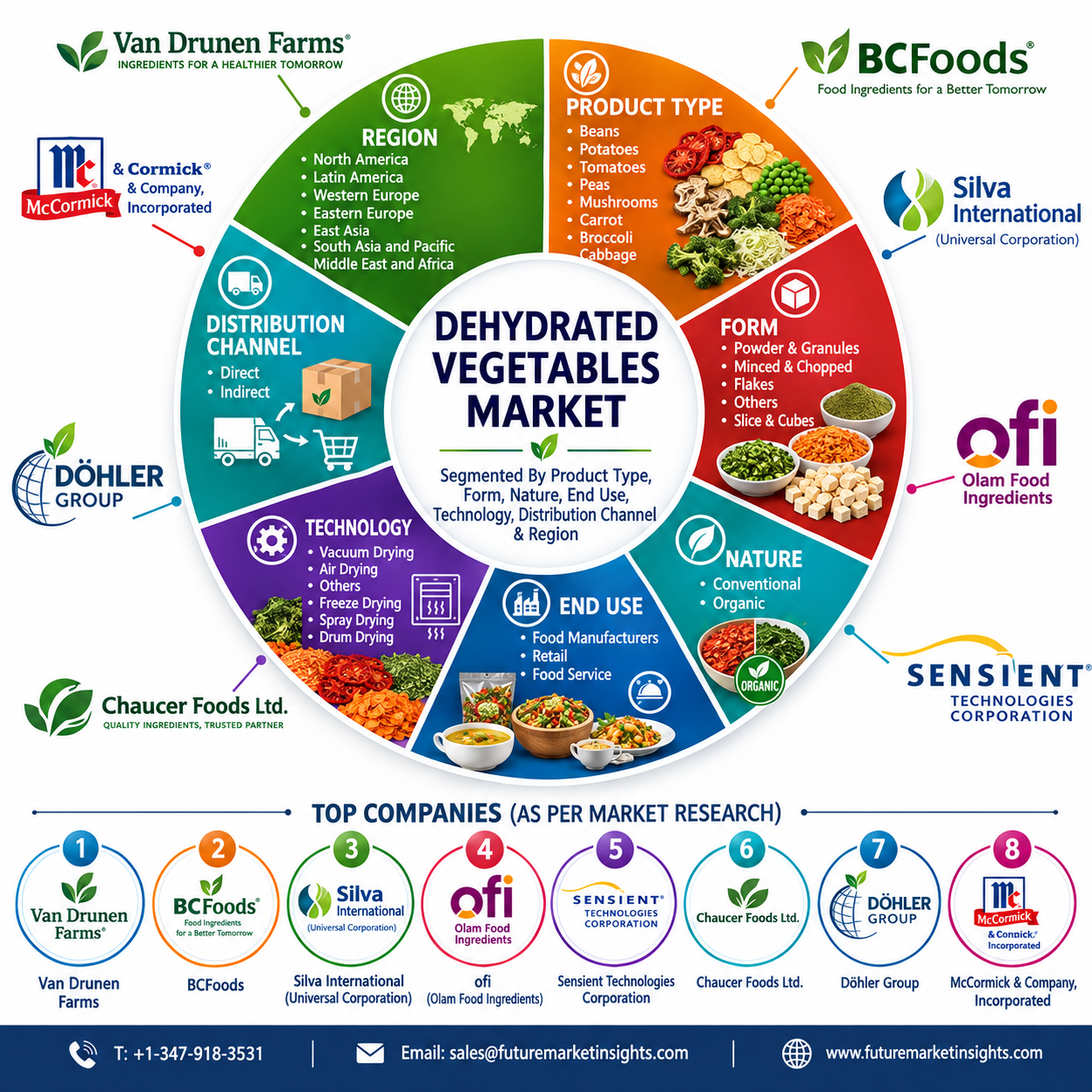
Dehydrated Vegetables Market as Shelf-Stable Ingredients Gain Ground The global Dehydrated Vegetables Market is entering a period of strong expansion as food manufacturers increasingly use shelf-stable vegetable ingredients to simplify preparation, extend product shelf life, and improve supply-chain efficiency. According to Future Market Insights, the market is projected to increase from USD...
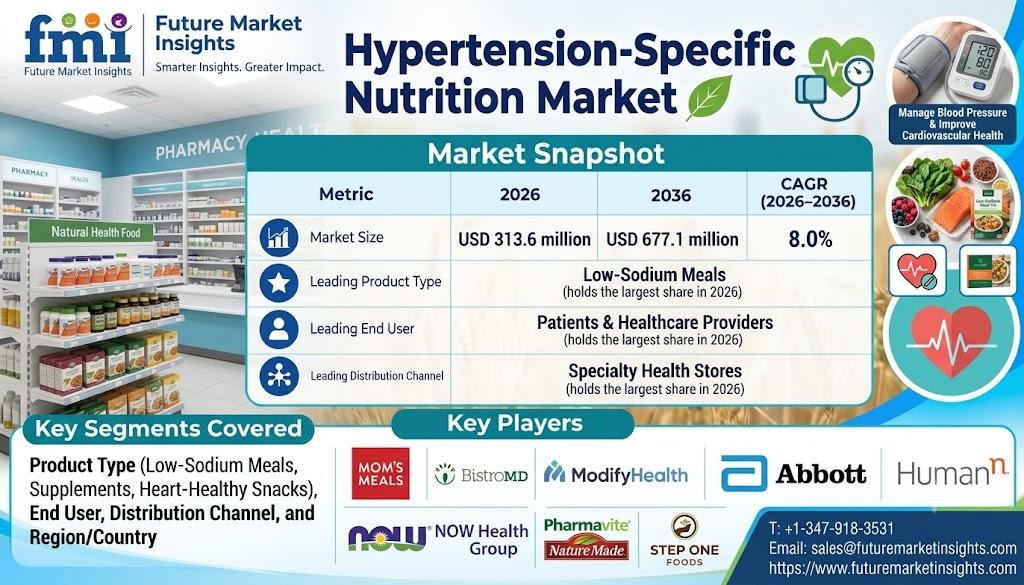
Hypertension-Specific Nutrition Market as Sodium Reduction by FMI Report. The global Hypertension-Specific Nutrition Market is projected to grow from USD 313.6 million in 2026 to USD 677.1 million by 2036, advancing at an 8.0% CAGR during the forecast period, according to the latest research from Future Market Insights (FMI). The market is supported by growing demand for nutrition products that...
The India ayurvedic products market is poised for a transformative future, driven by a powerful combination of technological innovation, evolving consumer preferences, and a global wellness movement. As the market matures, it is moving beyond traditional formats towards scientifically validated, personalized, and digitally accessible wellness solutions. By 2035, the sector is expected to...