


Market Dynamics and Trends Influencing Security Printing

The security printing market is characterized by the use of advanced technologies that enhance the security and integrity of printed documents. This article delves into the various technologies employed in security printing, examining their applications and impact on the industry.
Offset printing is one of the most widely used techniques in security printing, particularly for high-volume production of banknotes and other secure documents. This method allows for precise color reproduction and high-quality images, making it ideal for creating intricate designs that are difficult to replicate. The use of specialized inks and security features in offset printing enhances the overall security of the printed materials.
Digital printing has revolutionized the security printing market by enabling on-demand production and customization. This technology allows for the quick and efficient printing of security documents without the need for extensive setup. Digital printing is particularly beneficial for producing personalized items, such as identification cards and certificates, where unique data is required for each document. The ability to incorporate variable data printing further enhances security by making each printed item unique.
Intaglio printing is another critical technology in the security printing market, especially for banknotes. This technique involves engraving images onto a plate, which is then inked and pressed onto paper. The result is a raised surface that can be felt, adding a tactile element to the security features. Intaglio printing is known for its ability to produce fine details and intricate designs, making it a preferred choice for currency production.
Holography has gained prominence in the security printing market due to its ability to create visually striking security features that are difficult to replicate. Holograms can be incorporated into various documents, including passports and credit cards, providing a high level of security through visual effects that change when viewed from different angles. The use of holographic images adds an additional layer of protection against counterfeiting.
Other emerging technologies, such as nanotechnology and blockchain, are beginning to make their mark on the security printing industry. Nanotechnology allows for the incorporation of microscopic security features that are invisible to the naked eye, enhancing the security of printed materials. Blockchain technology, on the other hand, offers a secure method for tracking and verifying the authenticity of documents, providing an additional layer of security in the digital age.
In conclusion, the technologies employed in the security printing market are continually evolving to meet the demands of an increasingly sophisticated landscape of counterfeiting and fraud. As new technologies emerge, the industry must adapt and innovate to ensure the security and integrity of printed documents. The future of security printing will likely see even greater advancements, further enhancing the ability to combat counterfeiting and protect sensitive information.
Categorii
Citeste mai mult
The Physical Internet Market is being driven by multiple factors that are reshaping modern supply chains and logistics operations. Rising global trade, the rapid growth of e-commerce, and increasing demand for faster, more reliable deliveries are key factors prompting businesses to explore innovative logistics solutions. Companies are looking for ways to improve efficiency, reduce costs, and...

The Digital Human AI Avatars Market - trends is witnessing dynamic growth as businesses leverage AI avatars to transform digital experiences across industries. From healthcare to retail and media, digital humans are becoming central to personalized customer engagement, offering real-time interaction and immersive experiences. Enterprises are increasingly integrating AI avatars into their...

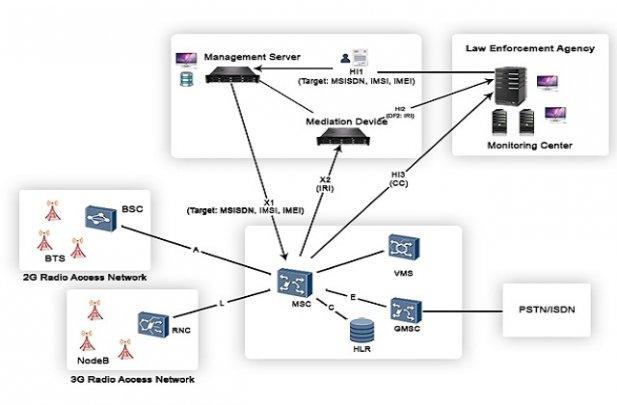
The Lawful Interception Market trends has become a strategic priority for governments and enterprises striving for secure and compliant communication systems. With cyber threats evolving rapidly, interception technologies are essential to protect sensitive data, enforce regulatory compliance, and maintain public safety. Integration with AI and cloud infrastructure has significantly...
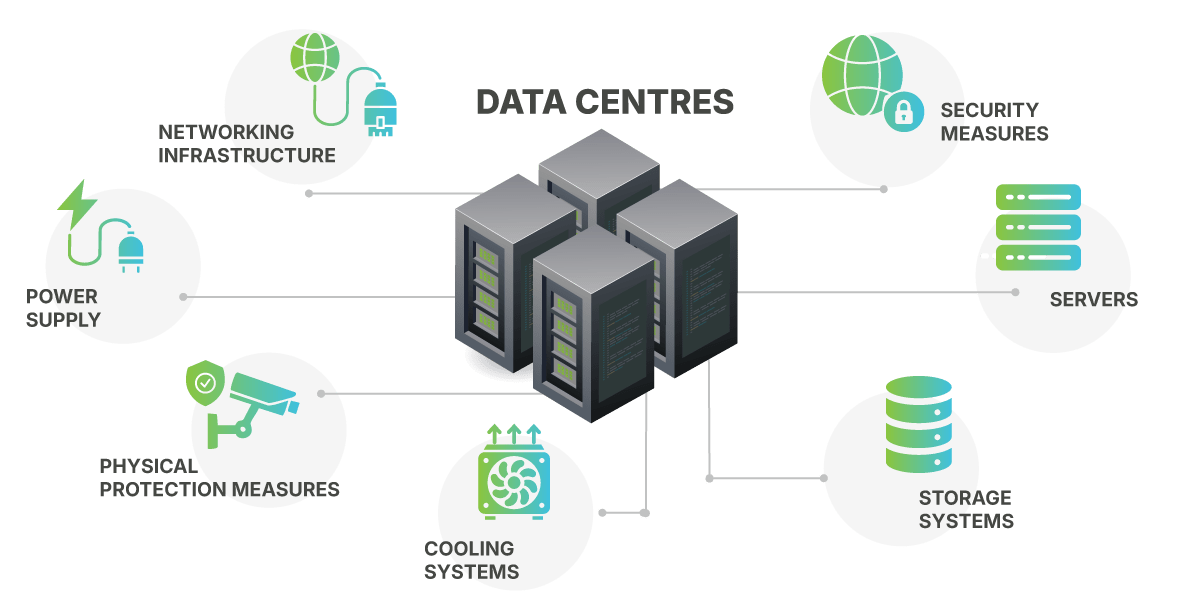
The explosive growth of digital services has created unprecedented demand for robust computing infrastructure supporting global operations. The Data Center Market Size represents a critical segment of technology infrastructure enabling cloud computing, artificial intelligence, and enterprise applications worldwide. Organizations across all industries increasingly depend on data center...
As Per Market Research Future, the Ice Cream Makers Market Growth is driven by the increasing need for innovative dessert solutions in response to rising consumer preferences for frozen treats. The growth of this market is supported by several factors, including the rising demand for commercial frozen dessert production machines, advancements in industrial soft serve equipment, and the growing...