


How Is Technology Reshaping the UK Dental CAD/CAM Market?
Technological breakthroughs in intraoral scanning, 3D printing, and AI-powered design are fundamentally transforming the UK Dental CAD/CAM Market, enabling dental professionals to deliver faster, more precise, and more patient-friendly care. Intraoral scanners now dominate chairside impressions in the UK private sector, with penetration exceeding 65% in private practices and rising in NHS specialist centres . Full-arch scanning takes 60-120 seconds with real-world average of approximately 90 seconds, while accuracy shows trueness of 14-50 μm for dentate arches, which is clinically acceptable for most zirconia single units and short bridges . Patient preference strongly favors digital over conventional methods, with 50-70% preferring digital due to no gagging, taste, or mess .
The integration of 3D printing represents another quantum leap in the market. 3D printing adoption in UK labs jumps in Q2 2026, driven by vat polymerisation for high-resolution output. Popular applications include surgical/implant guides with sub-50 μm accuracy for precise placement, diagnostic/study models that are cost-effective and low-waste, temporary crowns/bridges using biocompatible resins, and orthodontic aligner models and trays . The hybrid workflow example includes intraoral scan + CBCT, CAD planning, printing surgical guide, implant placement, post-op intraoral scan, designing zirconia crown/abutment, and milling definitive zirconia while printing provisional if needed . Q2 growth factors include affordable desktop printers accessible to small/medium labs, open STL/PLY compatibility between scanners, CAD software, and printers, and reduced material waste aligning with UK net-zero targets .
The cost and ROI highlights demonstrate compelling economics. Intraoral scanner upfront cost is £15,000–£50,000+ with ongoing costs of £2,000–£3,000/year for subscriptions and tips, but savings from eliminating impression materials at £15–£40 per case and retakes. ROI is achieved in 6–18 months in moderate-volume private practices . Printer cost is £3,000–£15,000 for desktop models, with per-unit cost of £1–£5 for resin and energy versus £20–£50 for conventional models, delivering ROI in 6–12 months via reduced outsourcing and faster turnaround . Combined hybrid ROI shows labs reporting 20–40% reduction in overall case cost, with faster delivery attracting private and tourism patients at premium pricing . The competitive landscape features key players including Dentsply Sirona, Align Technology, and 3M, who are investing heavily in next-generation platforms that combine AI-driven design, cloud connectivity, and integrated workflows. How soon do you think AI-powered design will completely automate the dental restoration workflow in the UK?
FAQs
How is technology transforming UK dental CAD/CAM?
Intraoral scanners exceed 65% penetration in private practices, while 3D printing integration surges for surgical guides, diagnostic models, temporaries, and aligners .
What is the ROI for adopting digital workflows in UK dental practices?
Intraoral scanner ROI is achieved in 6–18 months in moderate-volume private practices, while printer ROI is 6–12 months via reduced outsourcing and faster turnaround .
#UKDentalCADCAMMarket #IntraoralScanners #3DPrinting #DigitalWorkflows #DentalTechnology
الأقسام
إقرأ المزيد
The Quality and Safety Reporting System for Healthcare Market is experiencing significant growth as healthcare organizations increasingly prioritize patient safety, regulatory compliance, and quality improvement initiatives. The market is driven by the growing emphasis on reducing medical errors, enhancing patient outcomes, and meeting stringent regulatory requirements. This growth...

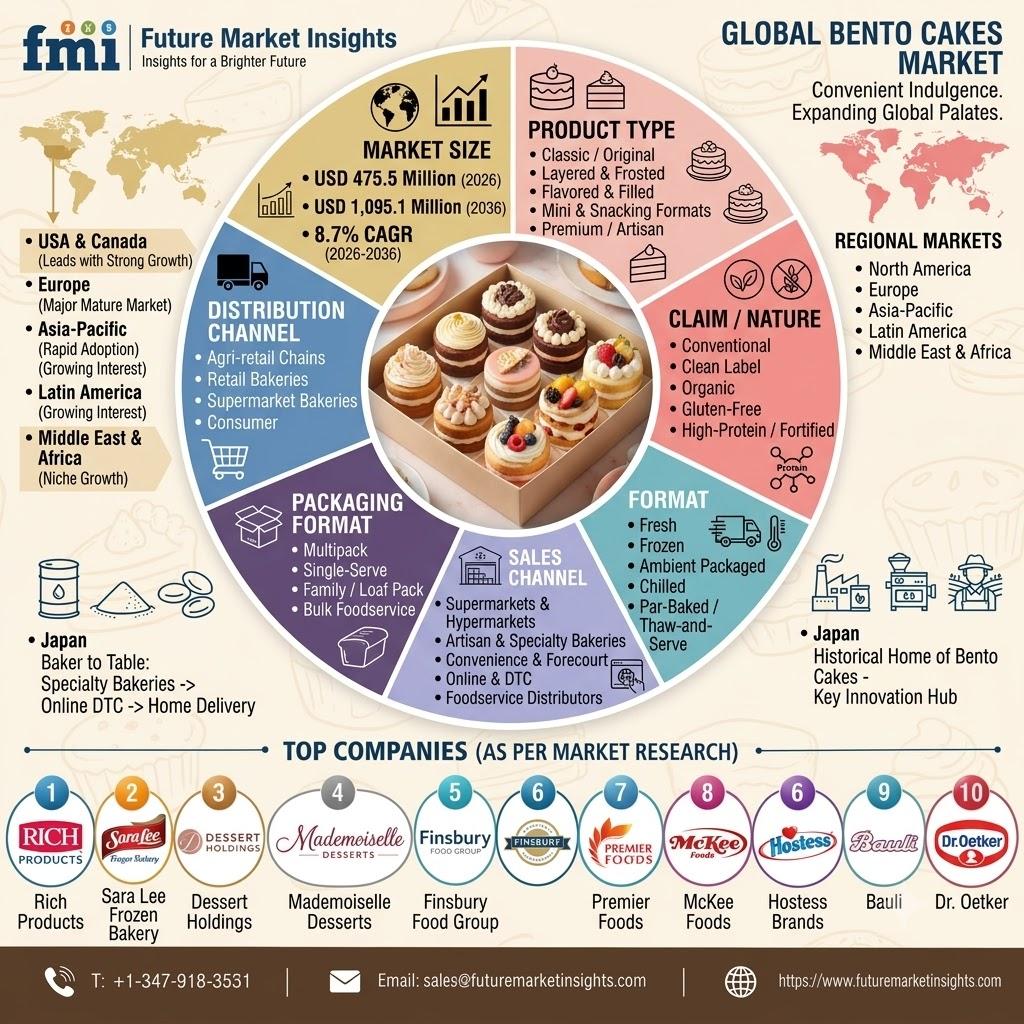
Bento Cakes Market to Reach USD 1,095.1 Million by 2036 The global bento cakes market is projected to increase from USD 475.5 million in 2026 to USD 1,095.1 million by 2036, expanding at a CAGR of 8.7% during 2026–2036. Demand is being supported by the growing number of smaller households and demand for compact cakes suited to personal celebrations, gifting, and limited-sharing occasions....
The Arginase Deficiency Therapeutics Market was valued at USD 500 million in 2025 and is projected to grow to USD 1,500 million by 2035, registering a CAGR of 10.6% during the forecast period. This significant growth trajectory reflects the essential role of arginase deficiency therapeutics in addressing the demand for effective treatments for this rare genetic disorder, improved patient...
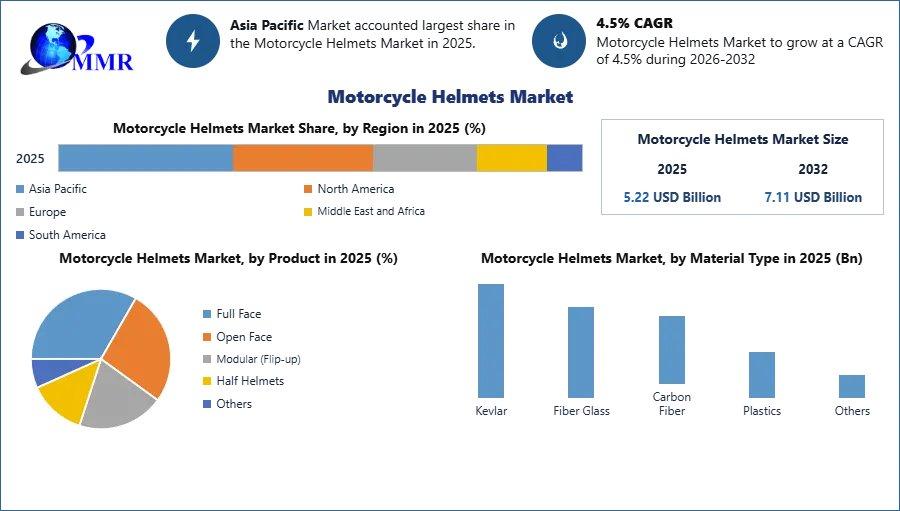
Revenue Outlook and Market Expansion The Motorcycle Helmets Market was valued at USD 5.22 billion in 2025. According to the MMR market overview, total revenue is expected to grow at a CAGR of 8.19% from 2026 to 2032, reaching nearly USD 7.11 billion by 2032. The market is being supported by increasing road-safety awareness, stricter helmet regulations, technological advancements, and...
The Spermidine Supplement Market is growing as consumers seek supplements that support healthy aging, cellular health, longevity, and preventive wellness. Spermidine is a naturally occurring compound found in foods such as wheat germ, soy products, mushrooms, and some vegetables. According to Wise Guy Reports, the market was valued at USD 140 million in 2024 and is projected to grow from USD...