


A Nation on the Move: Key Drivers of the Nigeria Telecom Market Growth

Nigeria's telecommunications market continues to be one of the most dynamic and high-growth sectors on the African continent, propelled by a powerful combination of demographic forces, economic necessity, and increasing digital adoption. A primary and foundational catalyst behind the robust Nigeria Telecom Market Growth is the country's immense and youthful population. With over 200 million people and a median age of around 18, Nigeria has a massive and growing base of potential subscribers. This young demographic is digitally native, highly aspirational, and has a voracious appetite for data and digital services. They are the primary drivers of social media usage, video streaming, and e-commerce adoption. For this generation, a mobile phone is not a luxury; it is an essential tool for communication, education, entertainment, and economic participation. This powerful demographic dividend provides a massive, built-in demand for mobile voice and, more importantly, data services, ensuring a continuous pipeline of new subscribers and increasing data consumption that fuels the revenue growth of the major operators. This youthful energy is the fundamental engine of Nigeria's digital expansion.
A second major driver is the increasing affordability of both mobile data and internet-enabled devices. The intense competition among the major mobile network operators (MNOs) has led to a steady decline in the price of data, making it more accessible to a larger segment of the population. The operators have become very innovative in their pricing, offering a wide range of daily, weekly, and monthly data bundles that cater to different budgets and usage patterns. This has been complemented by the proliferation of affordable smartphones, particularly from Chinese manufacturers. The availability of capable, internet-enabled smartphones for under $100 has been a game-changer, dramatically lowering the barrier to entry for millions of Nigerians to get online for the first time. This powerful combination of cheaper data and cheaper devices has created a virtuous cycle: as more people can afford to get online, the demand for digital services increases, which in turn drives further investment by the operators in their network capacity and coverage.
The third, and increasingly critical, driver is the explosive growth of the digital economy, particularly in the FinTech sector. In a country where a significant portion of the population is unbanked or underbanked, mobile technology has become the primary platform for financial inclusion. The rise of mobile money, agent banking, and digital payment platforms has been revolutionary. These services allow people to send and receive money, pay bills, and access credit using their mobile phones, bypassing the need for a traditional bank account. The telecom industry is the essential enabler of this entire ecosystem. The USSD (Unstructured Supplementary Service Data) technology provided by the telcos is a key channel for mobile banking for users with feature phones, while the mobile data network powers the sophisticated apps of the digital banks and FinTech startups. As digital payments become more mainstream, it drives further adoption and usage of the telecom network, creating a powerful symbiotic relationship between the two sectors.
Finally, the market's growth is being actively supported and encouraged by favorable government policies and a clear national digital strategy. The Nigerian government has recognized that a robust digital economy is crucial for diversifying the economy away from oil and for creating jobs for its youthful population. The National Digital Economy Policy and Strategy (2020-2030) outlines a clear vision for accelerating digital transformation. This has led to government initiatives aimed at increasing broadband penetration, particularly in underserved rural areas, through policies that encourage infrastructure sharing and provide incentives for investment. The Nigerian Communications Commission (NCC) has also played a crucial role by creating a stable and predictable regulatory environment, managing the auction of valuable spectrum (including the recent 5G spectrum auctions), and promoting fair competition among the operators. This strong government focus on building a digital Nigeria provides a positive and supportive backdrop for the telecom industry's continued investment and expansion.
Top Trending Reports:
الأقسام
إقرأ المزيد
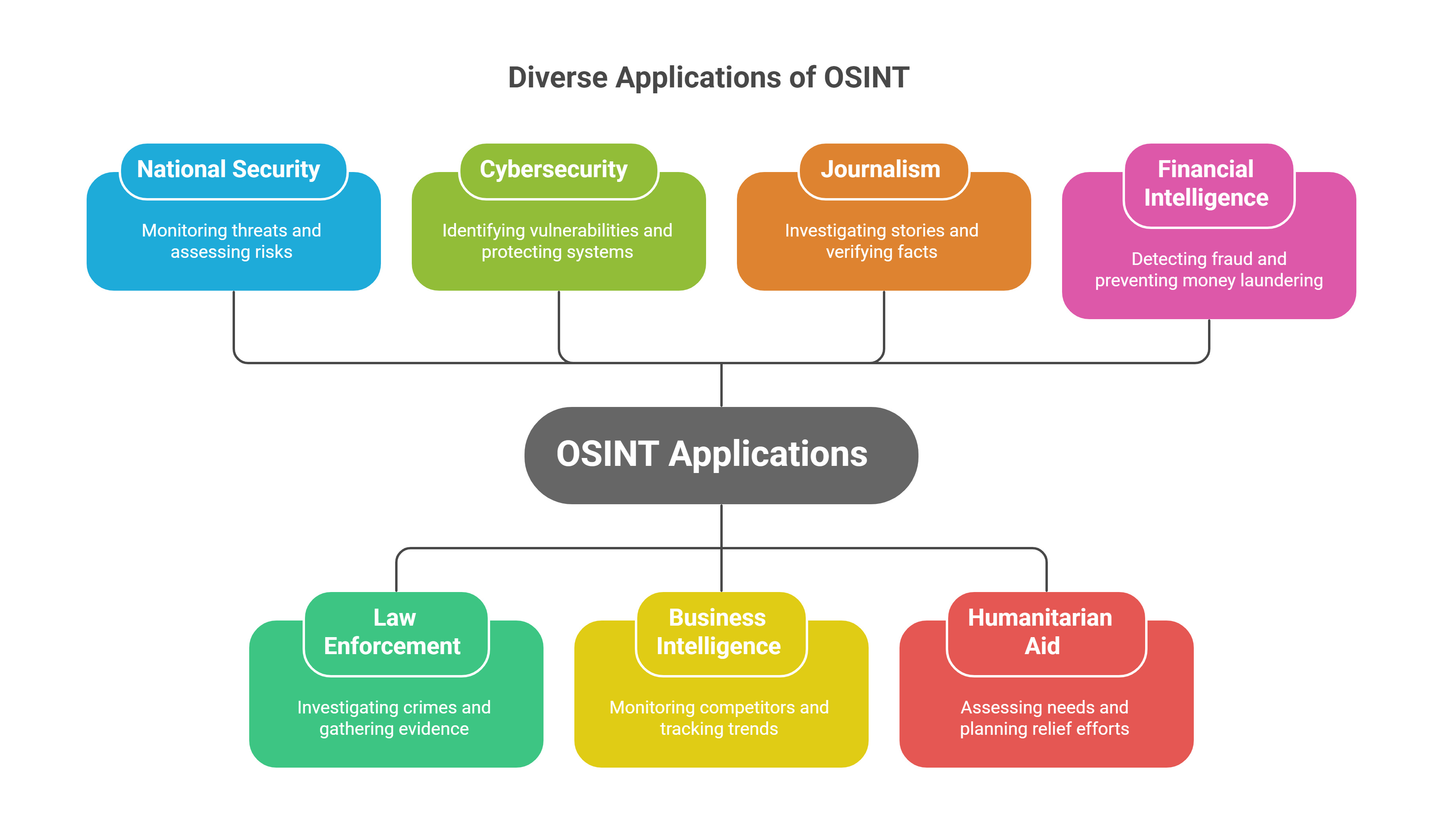
A strategic SWOT analysis—examining the Strengths, Weaknesses, Opportunities, and Threats—of the Open Source Intelligence (OSINT) market reveals a discipline that has become an essential component of modern intelligence, but one that faces significant operational and ethical complexities. The market's primary strength, as any detailed Open Source Intelligence Market...
The Observability Tools and Platforms Market - forecasts is rapidly becoming a strategic cornerstone for enterprises pursuing digital transformation. As organizations expand their cloud infrastructure, adopt microservices, and implement AI-driven applications, the need for advanced observability tools has grown exponentially. In 2024, the market size was estimated at 23.62 USD Billion,...

As Per Market Research Future, the Metal Pressure Hose Market Growth is driven by the increasing need for efficient fluid transfer solutions in response to rising industrial demands. The growth of this market is supported by several factors, including the rising demand for high-pressure hydraulic hoses, advancements in industrial fluid transfer hoses, and the growing emphasis on heavy-duty...
The Podcasting Market is redefining how people consume content by offering a personalized, immersive, and flexible alternative to traditional media formats. In an era dominated by screens and short-form content, podcasting stands out by encouraging long-form engagement and meaningful conversations that resonate with listeners on a deeper level. One of the most significant shifts driven by...

The Cloud Storage Market Analysis examines driving forces, constraining factors, and strategic implications for stakeholders across the industry ecosystem comprehensively. The Cloud Storage Market size is projected to grow USD 200.7 Billion by 2035, exhibiting a CAGR of 21.56% during the forecast period 2025-2035. Driving factors creating favorable market conditions include digital...