


What Is Driving the Acquired Aplastic Anemia Market Growth?
Acquired aplastic anemia is a rare but serious hematological disorder in which the bone marrow fails to produce adequate blood cells, leading to anemia, infections, and bleeding complications. Unlike inherited forms, acquired aplastic anemia develops later in life and can be triggered by autoimmune reactions, exposure to toxins, certain medications, or viral infections. The market for treatments targeting this life-threatening condition is expanding steadily, driven by improved diagnostic capabilities, advances in therapeutic options, and growing awareness among healthcare providers.
According to recent market analysis, the global Acquired Aplastic Anemia Market is projected to grow at a steady CAGR through 2035. This growth reflects both the persistent clinical need for effective treatments and the pharmaceutical industry's investment in developing novel therapies for rare hematological disorders.
Rising Incidence and Improved Diagnosis
The primary driver is the increasing recognition and diagnosis of acquired aplastic anemia. Improved diagnostic techniques, including bone marrow biopsy and cytogenetic analysis, have enabled earlier and more accurate identification of the condition. Additionally, greater awareness among hematologists and primary care physicians has led to more patients being referred for specialized care. As diagnosis rates improve, demand for treatments grows accordingly.
Advancements in Therapeutic Options
The treatment landscape for acquired aplastic anemia has evolved significantly. Immunosuppressive therapy (IST), typically combining anti-thymocyte globulin (ATG) and cyclosporine, remains the standard of care for patients who are not candidates for bone marrow transplantation. Hematopoietic stem cell transplantation (HSCT) offers a potential cure for eligible patients, particularly younger individuals with matched donors. Emerging therapies, including thrombopoietin receptor agonists like eltrombopag, are showing promise in improving response rates and reducing transfusion dependence.
People Also Ask
What is the market size of acquired aplastic anemia treatment?
The acquired aplastic anemia market is projected to grow steadily through 2035, driven by rising diagnosis rates and advancements in therapeutic options.
What are the key treatment options for acquired aplastic anemia?
Treatment options include immunosuppressive therapy (ATG and cyclosporine), hematopoietic stem cell transplantation, and emerging therapies like thrombopoietin receptor agonists.
Regional dynamics further shape the market. North America and Europe lead in adoption of advanced therapies, supported by advanced healthcare infrastructure and favorable reimbursement. Asia-Pacific is the fastest-growing region, driven by increasing healthcare investments and rising awareness.
Tags: #AplasticAnemia #Hematology #BoneMarrowFailure #RareDiseases #PharmaceuticalMarket
Kategorien
Mehr lesen
China Over the Counter Pharmaceuticals Market Overview The China Over the Counter Pharmaceuticals Market report provides an in-depth analysis that is required to make informed industry decisions and develop strategic growth plans. Regardless of the production method or cost structures, the China Over the Counter Pharmaceuticals market report provides a full...
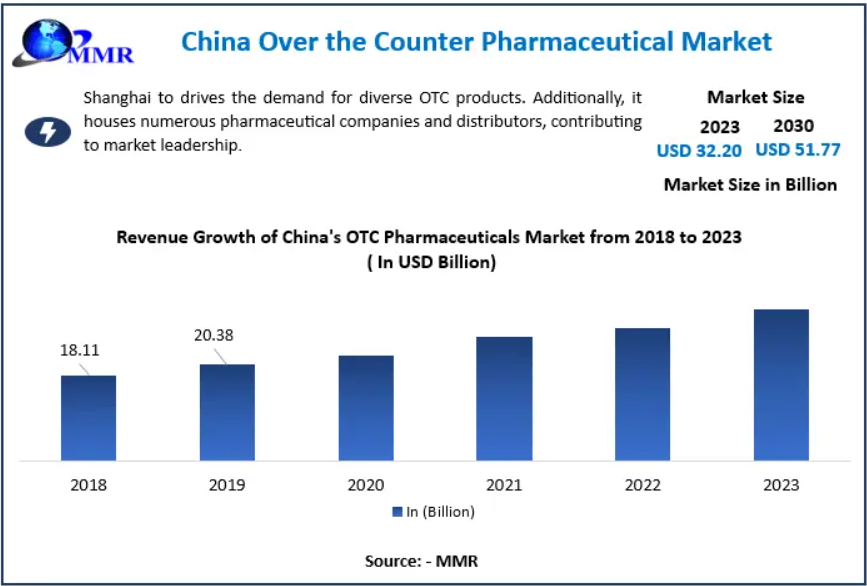
Market Overview China's National Medical Products Administration has executed transformative regulatory reforms, joining ICH, accepting overseas clinical data, and creating breakthrough therapy designations that compress development timelines from a decade to under five years for priority innovations. These changes integrated Chinese biopharmaceuticals into global development pathways....

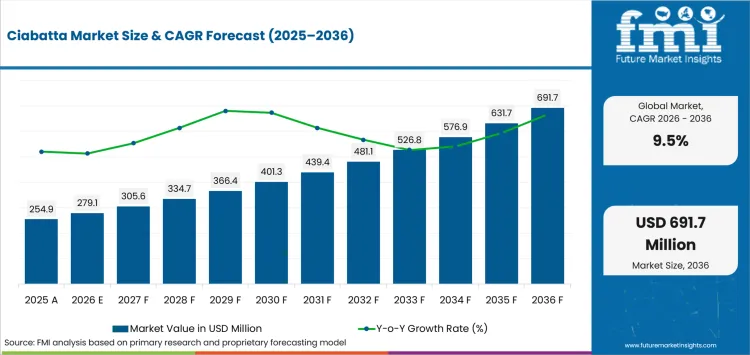
Ciabatta Market Conventional Products Lead Claim/Nature at 57.0% NEWARK, Del., September 25, 2026 According to Future Market Insights (FMI), the Ciabatta Market is projected to grow from USD 279.1 million in 2026 to USD 691.7 million by 2036, expanding at a 9.5% CAGR. Demand is being supported by foodservice sandwich menus, premium retail meals, and bakery formats that offer artisan texture,...
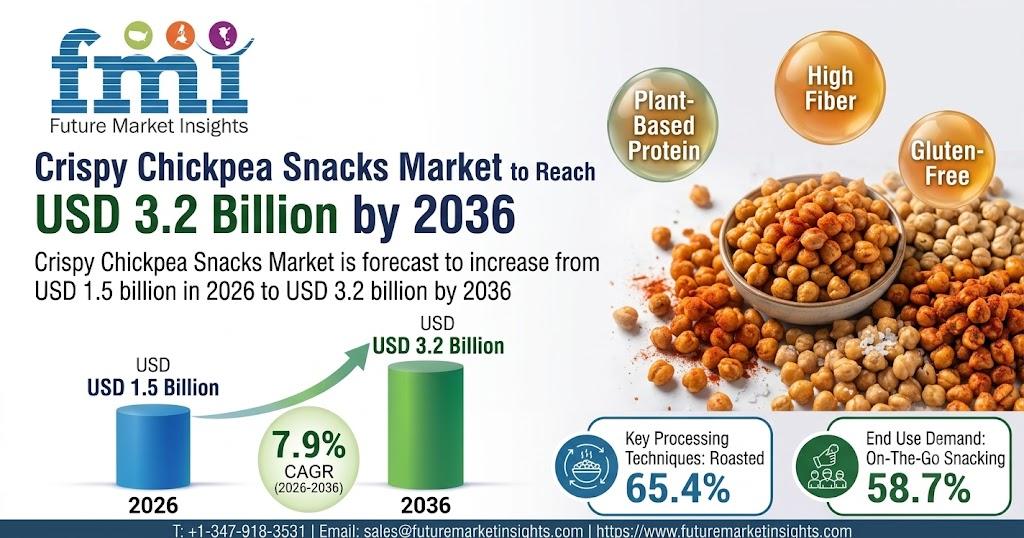
Crispy Chickpea Snacks Market USA Leads Country Growth at 9.2%, Türkiye Follows at 6.6% The global crispy chickpea snacks market is forecast to increase from USD 1.5 billion in 2026 to USD 3.2 billion by 2036, expanding at a 7.9% CAGR during the 2026-2036 forecast period, according to Future Market Insights. The market stood at USD 1.4 billion in 2025. Growth is being supported by the...
The India Herbal Medicinal Products Market exhibits a dynamic competitive landscape characterized by innovation, strategic partnerships, and technological integration among key players. The market is projected to grow from USD 416.93 million in 2025 to USD 1,146.8 million by 2035, registering a CAGR of 10.65% during the forecast period. This growth trajectory reflects the collective...