


What Is Driving the Biomimetic Materials Market Growth?
Biomimetic materials are engineered substances inspired by biological systems, structures, and functions found in nature. From self-healing polymers that mimic skin regeneration to gecko-inspired adhesives and shark-skin-patterned antimicrobial surfaces, these materials represent a convergence of biology, materials science, and engineering. They are used across healthcare, aerospace, construction, and consumer products. The market for biomimetic materials is expanding rapidly, driven by growing demand for sustainable solutions, advancements in nanotechnology, and increasing investment in biomedical applications.
According to recent market analysis, the global Biomimetic Materials Market is projected to grow at a robust CAGR through 2035. This growth reflects both the versatility of biomimetic approaches and the industry's investment in nature-inspired innovation.
Growing Demand for Sustainable Solutions
The primary driver is the growing demand for sustainable solutions. As industries face pressure to reduce environmental impact, biomimetic materials offer a pathway to eco-friendly products that mimic natural processes. For example, biodegradable adhesives inspired by mussel proteins and self-cleaning surfaces inspired by lotus leaves reduce the need for synthetic chemicals. This sustainability imperative is driving adoption across multiple sectors.
Advancements in Nanotechnology and Biotechnology
Technological innovation is also shaping the market. Advances in nanotechnology, additive manufacturing, and synthetic biology are enabling the precise engineering of biomimetic structures at the micro and nano scales. These technologies allow researchers to replicate complex biological features, such as hierarchical structures and stimuli-responsive behavior. As these technologies mature, the applications of biomimetic materials expand, driving market growth.
People Also Ask
What is the market size of biomimetic materials?
The biomimetic materials market is projected to grow at a robust CAGR through 2035, driven by growing demand for sustainable solutions and technological advancements.
What are biomimetic materials used for?
Biomimetic materials are used in healthcare (implants, tissue engineering), aerospace (lightweight structures), construction (self-healing concrete), and consumer products (adhesives, coatings).
Regional dynamics further shape the market. North America and Europe lead with advanced research infrastructure and high R&D investment. Asia-Pacific is the fastest-growing region, driven by increasing industrial applications and rising healthcare investments.
Tags: #BiomimeticMaterials #Biomimicry #SustainableMaterials #Nanotechnology #MaterialsScience
Κατηγορίες
Διαβάζω περισσότερα
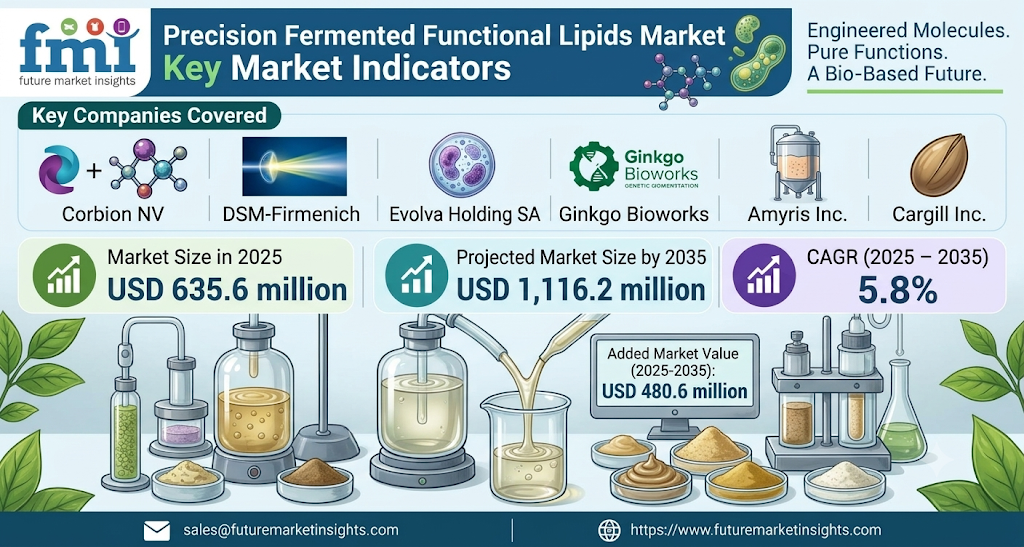
NEWARK, Del., November 3, 2026 — The global Precision Fermented Functional Lipids Market was valued at USD 635.6 million in 2025. According to Future Market Insights (FMI), the market is projected to reach USD 1,116.2 million by 2035, expanding at a CAGR of 5.8% between 2025 and 2035. This represents an additional market opportunity of USD 480.6 million over the forecast period. The...
Specialty Chemicals Market Overview According to Dimension Market Research, the Specialty Chemicals Market size is expected to reach USD 307.0 billion in 2025 and grow to USD 501.7 billion by 2034, registering a compound annual growth rate (CAGR) of 5.6% from 2025 to 2034. Market expansion reflects rising demand for high-performance formulations, customized chemical solutions, industrial...

The entry of Herceptin biosimilars into the market has been one of the most significant cost-saving developments in oncology, with billions of dollars in potential savings for healthcare systems globally. But the economics of biosimilars are more complex than simple price reductions—they involve pricing dynamics, manufacturing costs, market competition, and sustainability considerations...

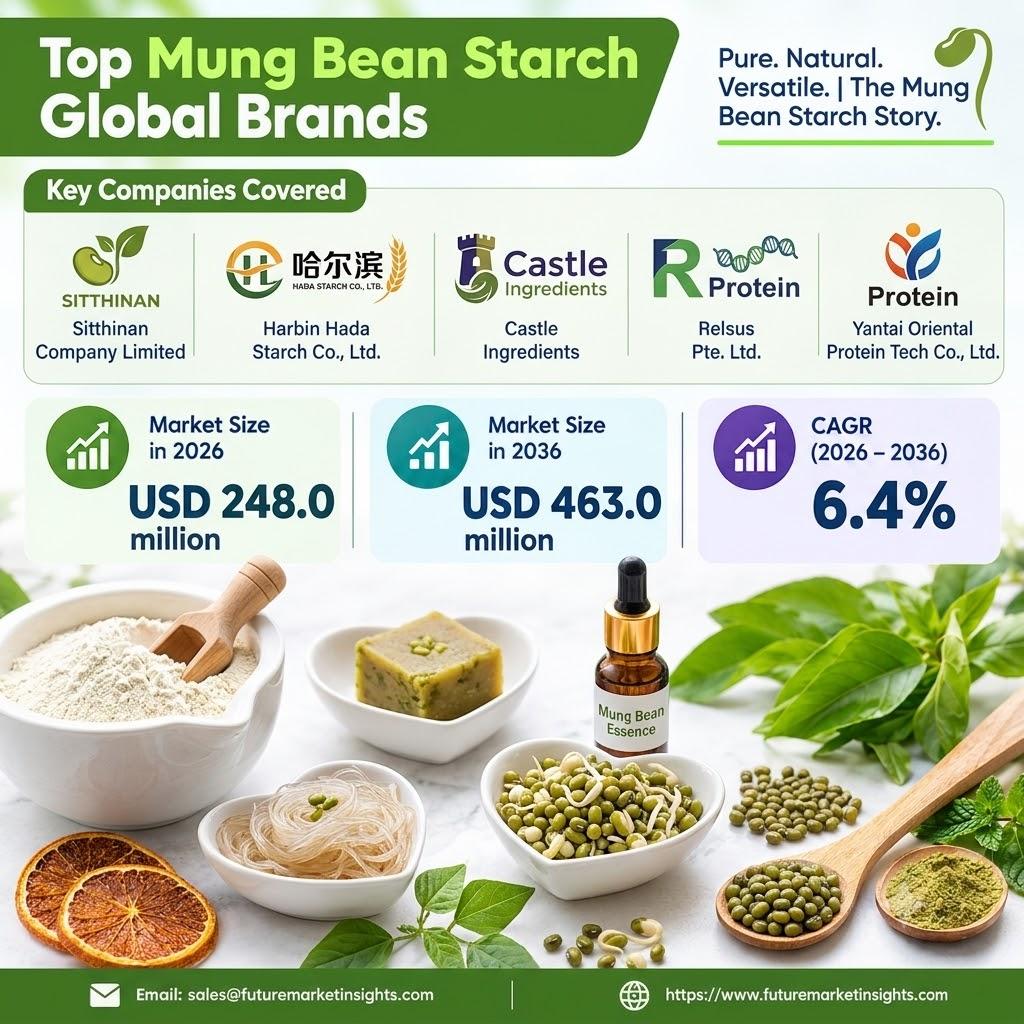
Mung Bean Starch Market to Reach USD 463.0 Million by 2036 NEWARK, Del., October 23, 2026 — The global mung bean starch market is gaining traction as food manufacturers increasingly seek functional, plant-derived ingredients that deliver texture consistency, thermal stability, and clean-label formulation benefits. According to the latest market intelligence report published by Future...
Typhus treatment is evolving, driven by research, public health efforts, and the changing epidemiology of vector-borne diseases. The future promises better diagnostics, more accessible treatments, and stronger prevention. Understanding these trends helps manufacturers, providers, and policymakers anticipate what is coming. Several developments will shape the field. Rapid diagnostic tests are...