Innovation in Stent Graft Coatings: Better Materials, Better Outcomes
The coating on a stent graft may seem like a simple component—a fabric sleeve over a metal frame. In reality, coating materials and design are central to device performance, affecting sealing, blood compatibility, durability, and healing. As the coated stent graft market matures, innovation in coatings is becoming a key differentiator, with manufacturers competing on material science and clinical outcomes.
Within the Coated Stent Graft Market, coating technology has advanced significantly. ePTFE and polyester are the dominant materials, each with distinct properties. ePTFE offers excellent biocompatibility and resistance to degradation; polyester provides strength and handling characteristics. Manufacturers optimize material selection, coating thickness, and surface properties for specific applications.
Sealing is a critical performance requirement. Stent grafts must seal at both ends to exclude the aneurysm from blood flow—failure leads to endoleaks, a common complication. Coating design, including sealing zones and attachment mechanisms, affects sealing performance. Innovations aim to improve sealing in challenging anatomy.
Blood compatibility matters. Coatings that minimize thrombogenicity reduce clot risk while supporting healing. Some devices incorporate bioactive coatings—such as heparin—to reduce thrombosis, though evidence varies. Long-term healing characteristics, including endothelialization, are active research areas.
Durability and longevity are important. Stent grafts must withstand years of blood pressure and movement. Material degradation or fatigue can lead to device failure. Accelerated testing and long-term clinical data inform design decisions.
Geographically, innovation is concentrated among major device manufacturers in developed markets, with clinical evidence requirements shaping adoption. Emerging market manufacturers are developing capabilities, though regulatory pathways vary.
Looking ahead, coating innovation will continue. Nanomaterials, bioactive coatings, and drug-eluting designs are being explored. Manufacturing advances—including improved precision and quality control—support better products. For manufacturers, differentiation through materials science, backed by clinical evidence, is a path to premium positioning. In the coated stent graft market, the coating is more than a covering—it's where performance is engineered.
People Also Ask
What materials are used in stent graft coatings?
ePTFE and polyester are the most common, chosen for biocompatibility, strength, and durability—material choice affects performance and clinical outcomes.
What is an endoleak?
It's blood flow that continues into the aneurysm sac after stent graft placement, often due to incomplete sealing—a key complication addressed through coating and device design.
Tags
#StentGraftMaterials #MedicalDeviceInnovation #ePTFE #VascularDevices #Endoleak #Biomaterials
Categorías
Read More
The Omega3 Omega 3 Market is a major segment of the global nutrition and functional-food industry, supported by consumer interest in nutritional supplements and products containing essential fatty acids. Omega-3 products are available through dietary supplements, functional foods, pharmaceutical applications, and animal nutrition. The Omega3 Omega 3 Market report examines the market according...

Modern artificial intelligence compute accelerators, low-power edge neural inferencing nodes, ultra-dense non-volatile storage-class memories, and bio-inspired neuromorphic computing platforms depend fundamentally on non-von Neumann computing architectures, establishing the operational foundation of the Memristor Industry. For over seven decades, digital computing architectures adhered to the...
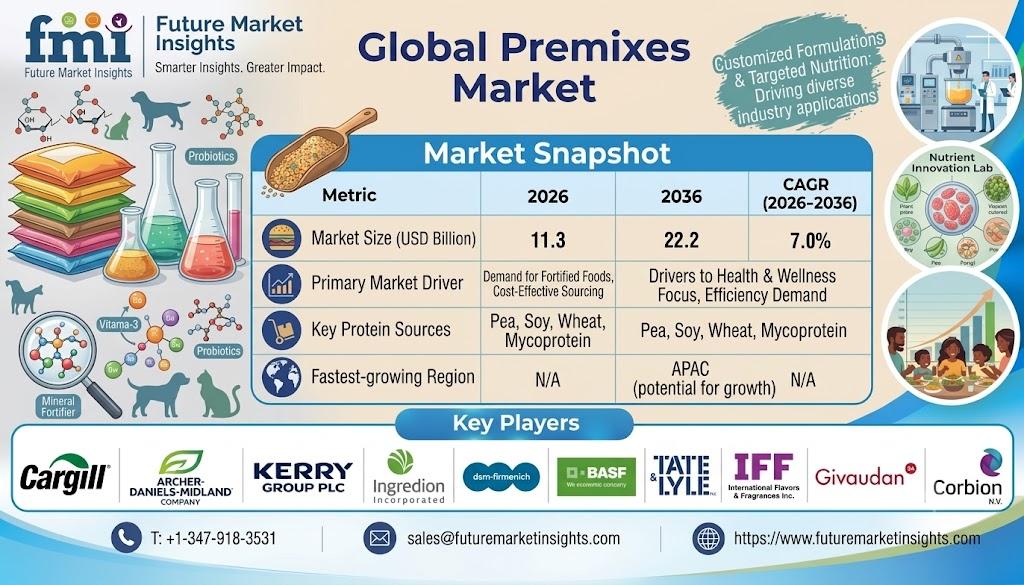
Premixes Market Vitamin Premix Leads Ingredient Demand at 17.0% The global premixes market is forecast to increase from USD 11.3 billion in 2026 to USD 22.2 billion by 2036, expanding at a 7.0% CAGR during the 2026–2036 forecast period, according to Future Market Insights. The market stood at USD 10.6 billion in 2025. Demand is expanding as manufacturers increasingly use controlled...
High patient preference for oral administration, advanced lipid-based formulation technologies, and surging biopharmaceutical R&D in targeted kinase inhibitors are driving continuous growth across the global Small Molecule Drug Delivery Market. Small-molecule active pharmaceutical ingredients (APIs) represent the majority of commercial therapeutics, but many novel candidates suffer from...
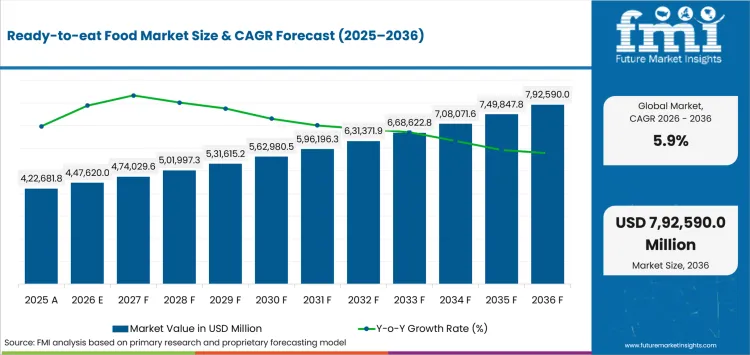
Ready-to-eat Food Market Size to Reach USD 792.6 Billion by 2036 Driven by Rising Demand for Convenient Meals and Snackable Food Products Europe, France., Oct 6, 2026 — The global Ready-to-eat Food Market is expected to witness steady growth as consumers increasingly seek convenient meals, packaged foods, frozen products, and snackable portions that fit busy lifestyles and changing...